Amazon's Delivery Dilemma: Returns Surge As Competition Intensifies
The operational complexities of managing a tidal wave of product returns are straining Amazon's vaunted logistics network, revealing vulnerabilities in an increasingly crowded e-commerce landscape. This phenomenon is impacting profitability and user experience across the retail sector.

Amazon's distribution centers, typically epitomes of operational precision, are increasingly grappling with a tide of returned merchandise. While the fourth quarter typically sees a spike in such activity, driven by holiday gifting, the baseline volume has been steadily climbing. For retailers competing in the American market, the seemingly innocuous act of a customer sending an unwanted item back to a warehouse has evolved into a multi-billion dollar logistical and environmental challenge, far exceeding the initial delivery cost.
The scale of returns is now a material concern for profitability. Industry estimates suggest that for every $1 billion in sales, retailers face a staggering $166 million in returns. The National Retail Federation reported that the overall rate of returns reached 16.5% in 2022, amounting to over $816 billion in lost sales for US retailers. This figure underscores a systemic issue, not merely isolated incidents, impacting behemoths like Walmart and Target, as well as digital-first platforms built on lower-margin transactions.
The Cost of Convenience
Consumer behavior, particularly in the United States, has been conditioned by decades of frictionless return policies. Amazon, a pioneer in this regard, has inadvertently set a standard that now paradoxically burdens its own infrastructure. Shoppers routinely order multiple sizes or colors with the intent to return the majority, a practice known as 'bracketing.' The costs associated with processing these returns—ranging from the original outbound shipping, inbound return shipping, inspection, repackaging, and restocking—often outweigh the profit margin on the initial sale. For lower-value items, the economic decision frequently leads to items being liquidated or sent to landfills, a practice at odds with corporate sustainability pledges.
Competitors are navigating similar treacherous waters. Shopify's merchants, while benefiting from an accessible e-commerce platform, must individually manage these return challenges, often lacking the scale to absorb the associated costs effectively. The burgeoning presence of TikTok Shop, with its emphasis on impulse purchases and live-stream selling, could exacerbate this trend if not managed with robust return infrastructure from the outset. Early indications suggest that the platform is still developing its logistical maturity to handle such volume.
Innovation and Recalibration
Retailers are beginning to recalibrate. Instacart, for instance, faces a different type of return challenge with fresh groceries, where perishable goods offer no opportunity for resale. Their model emphasizes accuracy in picking and customer service to mitigate dissatisfaction, rather than facilitating product recovery. Costco, famous for its liberal return policy, absorbs significant costs but leverages it as a powerful customer loyalty tool, a strategic trade-off. This approach, however, relies on its membership model and high average order value to buffer the financial impact.
The era of unlimited, no-questions-asked returns is quietly receding, replaced by a more nuanced assessment of customer value and operational expenditure.
Efforts to mitigate the return deluge are varied. Some retailers are implementing stricter return windows, charging for return shipping for non-defective items, or offering store credit instead of cash refunds. Data analytics are increasingly deployed to identify and flag serial returners or products with unusually high return rates, allowing for targeted interventions in product descriptions or sizing guides. These measures represent a broader industry shift, acknowledging that the consumer convenience of yesteryear has become an unsustainable operational overhead in the lean margins of modern retail.
News Legacy maintains editorial independence. Some recommendations may contain affiliate links. We earn from qualifying purchases at no additional cost to you. Read our policy.
Read Next
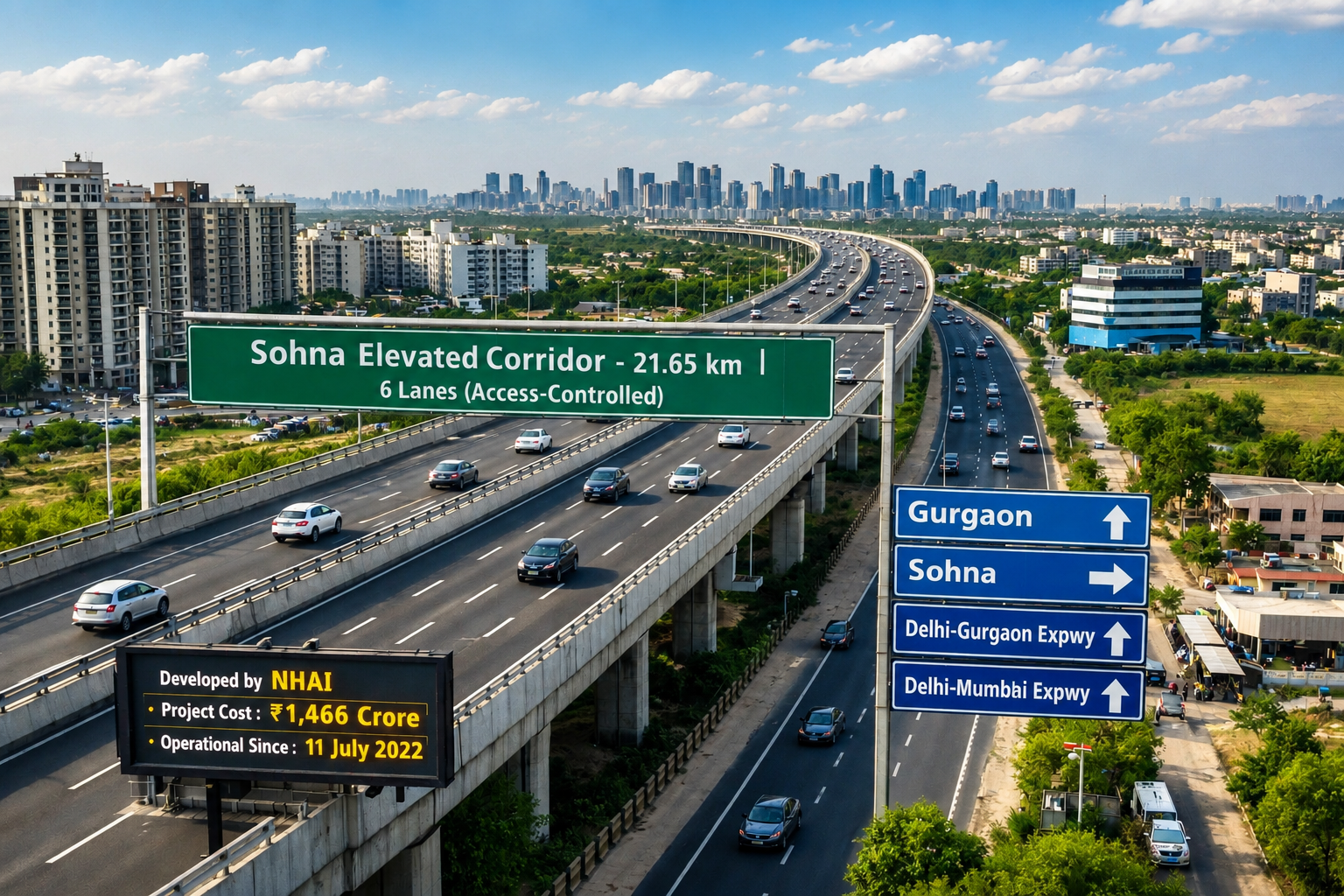
Is Sohna Really the Next Chhatarpur?
Three decades after Chhatarpur redrew South Delhi's map for space, privacy and exclusivity, a familiar pattern is now taking shape further south, and Sohna is where the smart money is beginning to look.
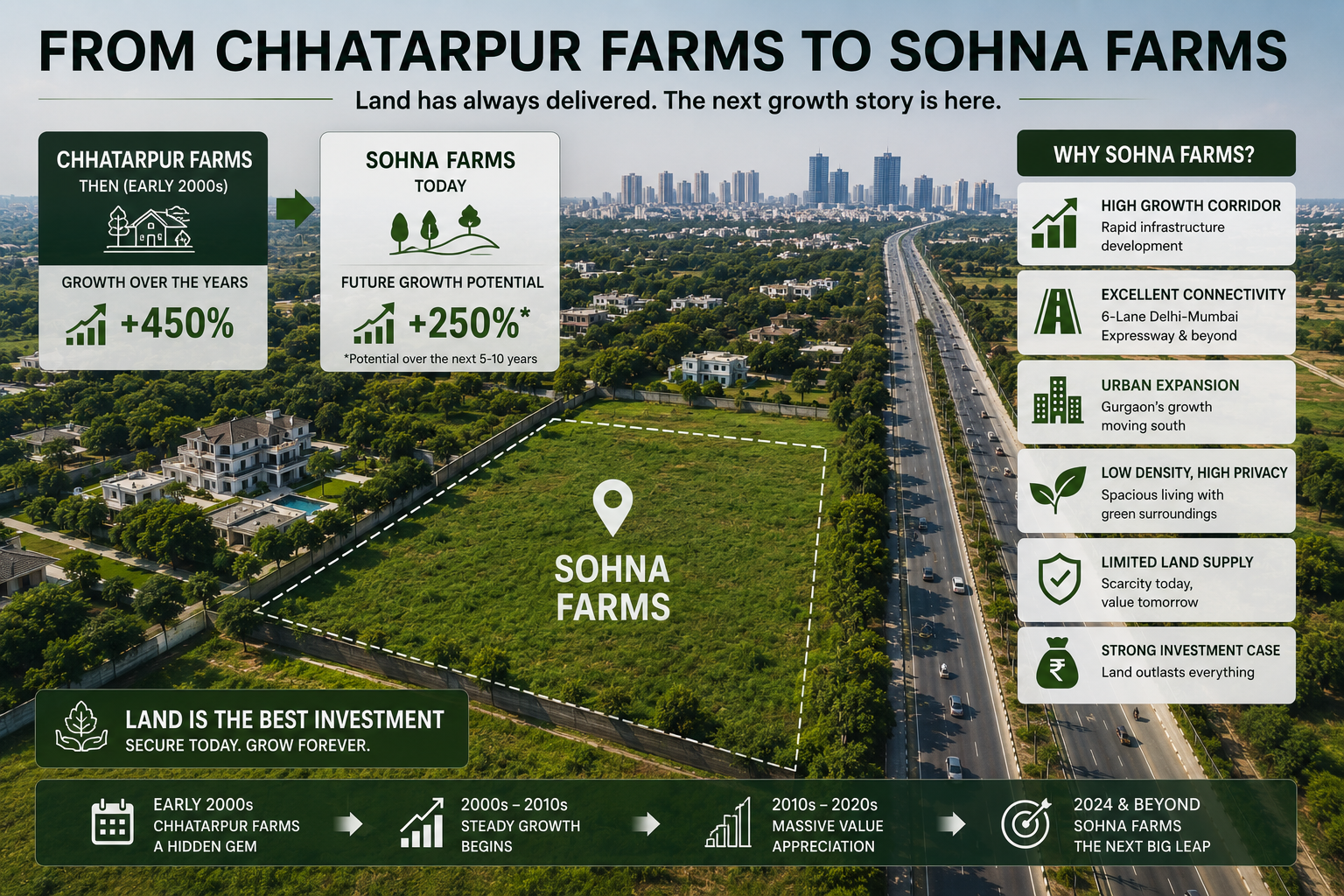
How Chhatarpur Farmhouses Created Multi-Crore Wealth for Early Buyers
What a quiet corner of South Delhi can teach investors about land, scarcity, and long-term wealth creation.
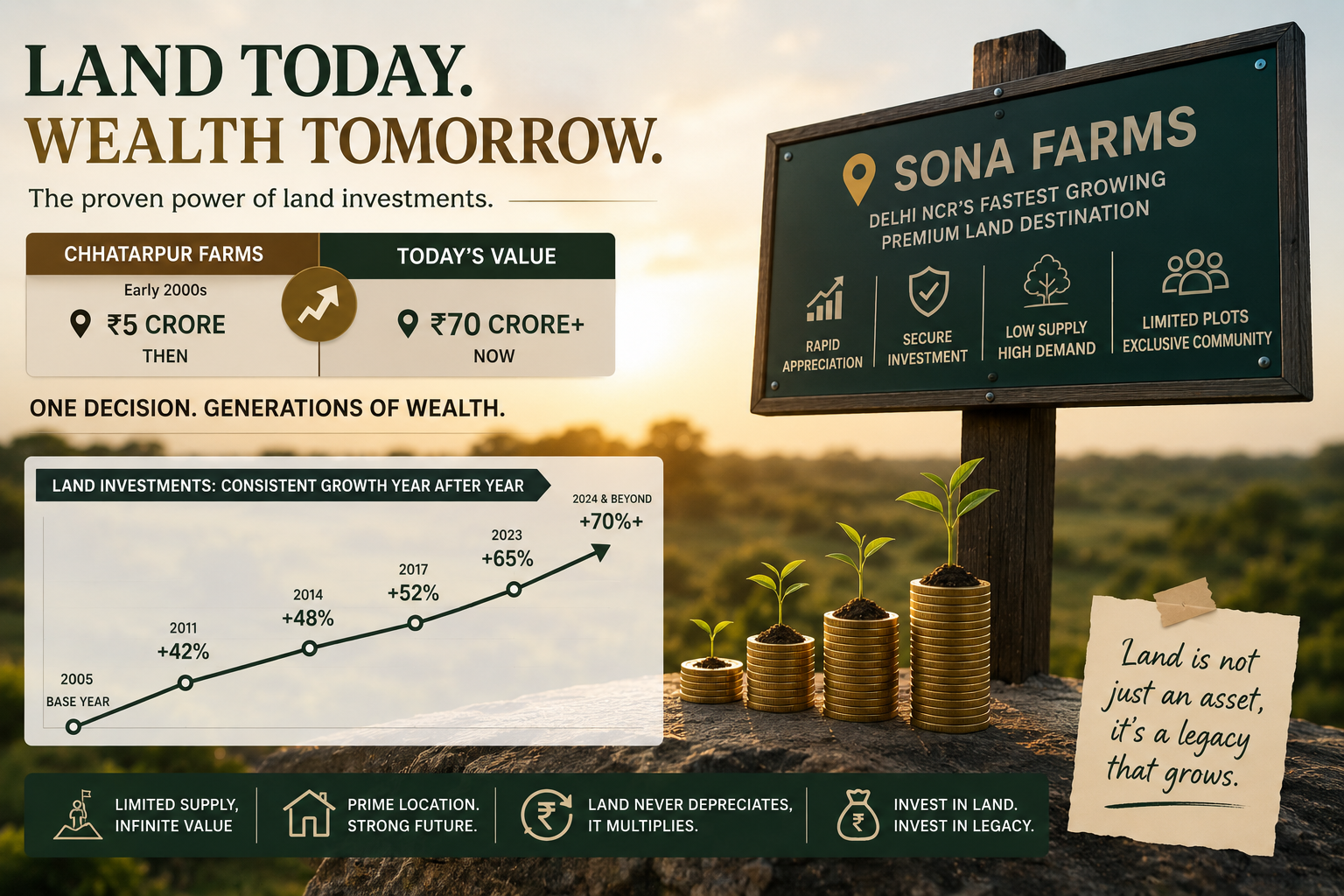
The ₹5 Crore Land Purchase That Became Worth ₹70 Crore
What the Story of DLF Chhatarpur Farms Reveals About Wealth Creation Through Premium Land Ownership
One short email. Stories you can use.
A free, occasional email from our editorial team with our latest features, explainers and reads. Unsubscribe any time — your email stays with us.