Amazon's E-commerce Maturity: The Profit Imperative Over Pure Volume
For over two decades, Amazon pursued e-commerce expansion with an unrelenting focus on top-line growth. New strategies suggest a notable shift towards extracting greater profitability from its established ecosystem in the United States.

When Amazon Fresh announced in March 2024 that it would discontinue free grocery delivery for Prime members on orders under $150, the move signaled more than just an adjustment to a single service. This policy change, following a similar shift for Whole Foods Market in 2023, reflects a broader strategic pivot within Amazon's vast American retail operations. The company appears to be entering a phase where the monetization of its extensive customer base and logistical infrastructure takes precedence over the unbridled pursuit of market share.
For years, the narrative surrounding Amazon hinged on its seemingly limitless capacity for reinvestment in new categories, often at the expense of short-term profitability. This approach fueled its dominance across numerous sectors, from cloud computing with AWS to its expansive fulfillment network. However, the American consumer market, particularly in e-commerce, is no longer nascent. Competitors like Walmart and Target have significantly bolstered their online capabilities, while emerging players like TikTok Shop and even established entities like Instacart are carving out specific niches.
The Cost of Convenience
The evolution of Amazon's delivery fees underscores a rising cost consciousness. While Prime membership once offered a near-universal promise of free, fast shipping, the company has gradually introduced minimum order thresholds or additional surcharges for smaller basket sizes, particularly for grocery and same-day services. This is not merely an inflationary response; it indicates an internal calculation that the marginal revenue from facilitating smaller, logistically intensive orders no longer justifies the expense within the existing Prime subscription model.
This strategic adjustment aligns with broader industry trends. Even Costco, renowned for its membership model and bulk purchasing, faces decisions about how to maintain value while managing escalating operational costs. The challenge for Amazon now is to optimize its fulfillment grid, which has ballooned to an immense scale across the U.S., ensuring each square foot and delivery route contributes meaningfully to the bottom line.
The era of subsidizing every consumer whim for the sake of market capture is drawing to a close for mature platforms.
Further evidence of this shift can be found in Amazon's increasing emphasis on advertising revenue within its own storefronts. By leveraging its unparalleled first-party data, Amazon has become a formidable advertising entity, competing directly with Google and Meta for ad dollars. This monetization strategy allows the company to extract more value from every customer interaction, regardless of whether a direct purchase is made through an Amazon-owned product.
Repositioning the Value Proposition
The implications extend to merchants as well. While Shopify continues to offer an alternative for brands seeking direct-to-consumer relationships, Amazon remains a critical channel for reaching a vast audience. However, the cost of doing business on Amazon, from fulfillment fees to advertising spend, has steadily climbed. This pressures sellers to optimize their own strategies, potentially leading to higher prices for consumers or narrower margins for brands.
Ultimately, Amazon's pivot signifies a maturing U.S. e-commerce landscape. The dramatic double-digit growth rates of previous decades are stabilizing, necessitating a focus on efficiency and sustained profitability rather than purely transactional volume. American consumers, now well-accustomed to online shopping, will experience a refined value proposition from Amazon, one where the convenience premium becomes more explicitly priced, and the company's financial discipline comes more sharply into focus.
News Legacy maintains editorial independence. Some recommendations may contain affiliate links. We earn from qualifying purchases at no additional cost to you. Read our policy.
Read Next

Is Sohna Really the Next Chhatarpur?
Three decades after Chhatarpur redrew South Delhi's map for space, privacy and exclusivity, a familiar pattern is now taking shape further south, and Sohna is where the smart money is beginning to look.
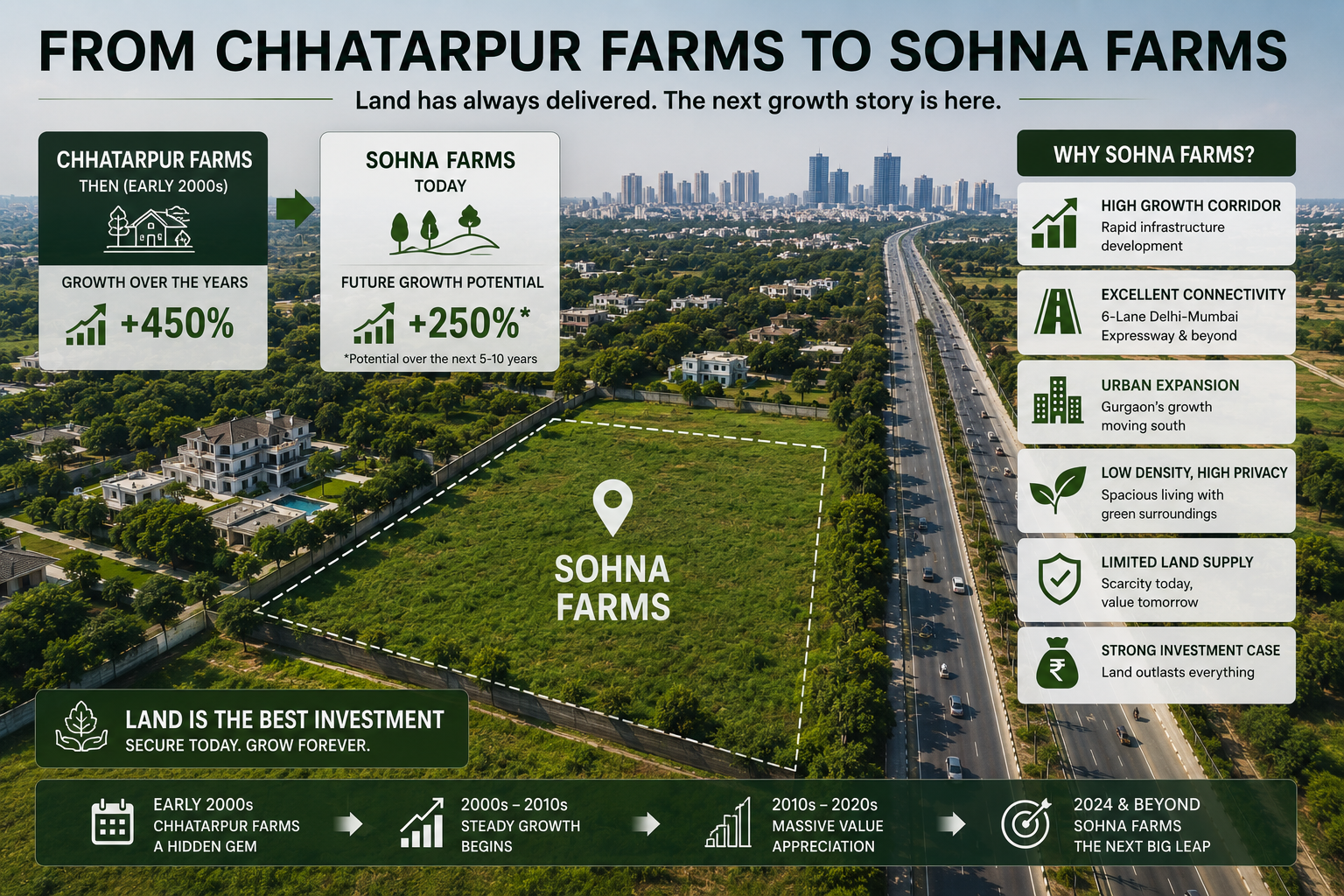
How Chhatarpur Farmhouses Created Multi-Crore Wealth for Early Buyers
What a quiet corner of South Delhi can teach investors about land, scarcity, and long-term wealth creation.
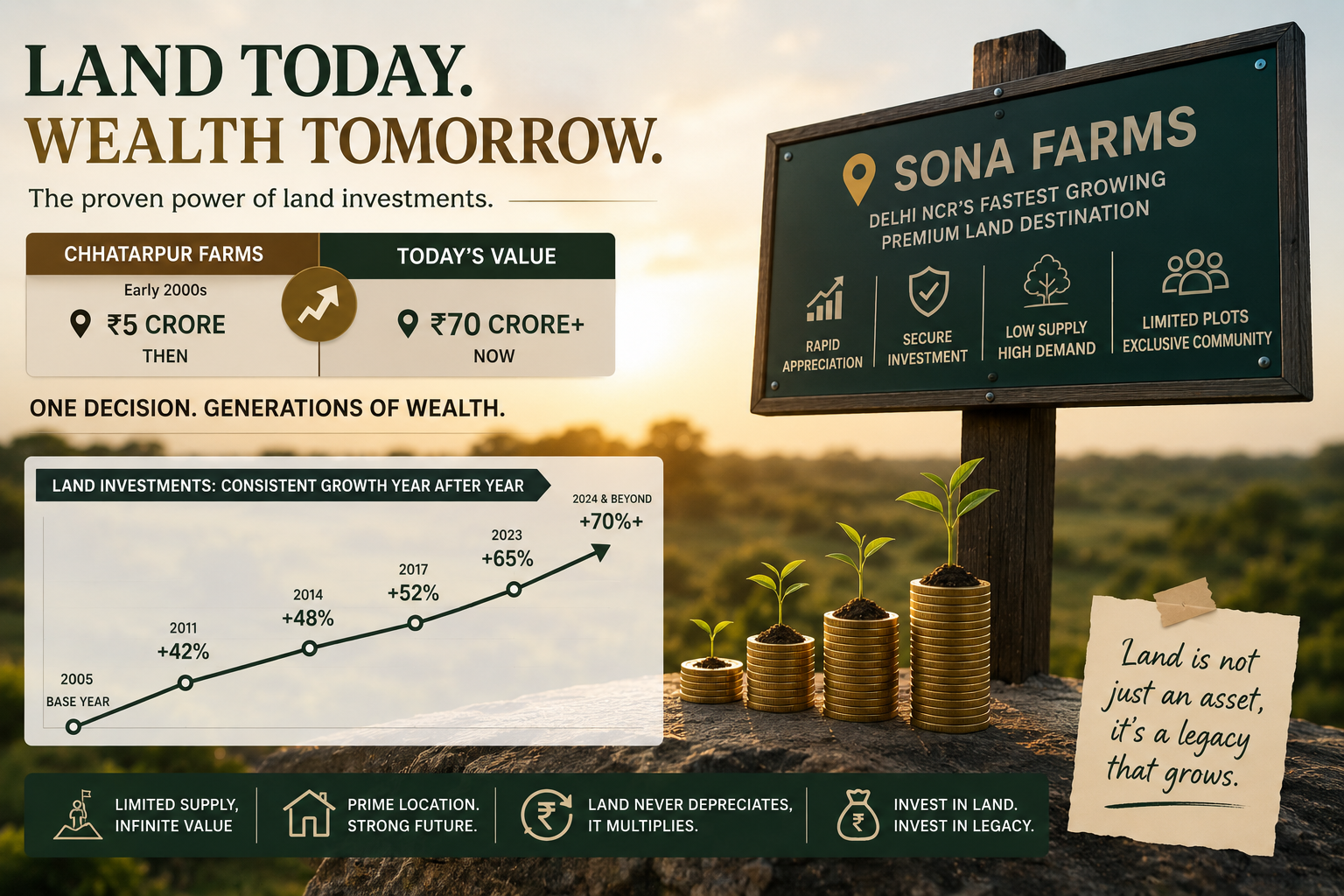
The ₹5 Crore Land Purchase That Became Worth ₹70 Crore
What the Story of DLF Chhatarpur Farms Reveals About Wealth Creation Through Premium Land Ownership
One short email. Stories you can use.
A free, occasional email from our editorial team with our latest features, explainers and reads. Unsubscribe any time — your email stays with us.