Amazon's Generative AI Gambits Encounter Retail Realities
The integration of generative artificial intelligence into retail operations and consumer interfaces presents a complex calculus for established players, balancing innovation against the immediate demands of efficiency and profitability in a fiercely competitive market.

When Amazon recently introduced its Rufus conversational shopping assistant, promising a more intuitive product discovery experience, it underscored a broader industry trend. Major U.S. retailers are grappling with how to effectively deploy generative AI, moving beyond aspirational pronouncements to tangible applications that enhance either the customer journey or the underlying logistics. The pressure to differentiate and streamline operations is mounting as consumer expectations for personalization and speed continue to escalate.
The deployment of AI beyond back-office automation into customer-facing roles, particularly in e-commerce, marks a significant shift. For platforms like Shopify, which serves millions of merchants, integrating sophisticated AI tools that can generate product descriptions, marketing copy, or even design elements, offers a compelling value proposition. This is not merely about incremental improvements but about fundamentally altering the cost structure and creative output for small to medium-sized businesses.
The Adoption Divide
While the potential is clear, the implementation remains uneven. Large incumbents such as Walmart and Target have invested heavily in AI for supply chain optimization, inventory management, and personalized marketing, areas where the return on investment can be more readily quantified. Their efforts often focus on reducing waste and improving delivery times, a critical advantage in an era where consumers expect rapid fulfillment.
However, the adoption of generative AI in customer service or highly personalized storefronts presents different challenges. Maintaining consistency in brand voice, ensuring factual accuracy, and navigating the nuances of human interaction through AI dialogue models require substantial diligence. Early iterations often reveal shortcomings, leading to frustration rather than delight for the end-user.
The strategic deployment of generative AI in retail is less about technological capability and more about identifying specific, high-impact use cases that align with core business objectives and consumer needs.
Consider the entry of TikTok Shop and its embrace of AI-driven recommendation algorithms that curate product feeds with startling accuracy. This model, deeply embedded in the social media experience, has rapidly carved out a market share, especially among younger demographics. Traditional retailers must contend with these novel engagement paradigms, which leverage AI not just for transactions but for discovery and entertainment.
For brick-and-mortar giants like Costco and their digital extensions, the immediate application of generative AI often centers on streamlining internal processes or enhancing member services, rather than a radical overhaul of the core shopping experience. The calculus here involves weighing the significant investment against the established efficacy of their existing, high-volume operational model.
The investment landscape reflects this cautious optimism. U.S. companies poured an estimated $25 billion into generative AI technologies in 2023, with a significant proportion targeting areas like customer service automation, content creation, and data analysis. However, a widespread transformation of the entire retail front end, driven solely by generative AI, appears to be a more protracted affair, requiring robust safeguards and continuous refinement.
Instacart, operating in a highly dynamic grocery delivery sector, leverages AI for demand forecasting and routing optimization. Integrating generative AI could extend to personalized meal planning suggestions based on past purchases and dietary preferences, or even dynamic pricing strategies. The emphasis remains on practical applications that solve immediate operational puzzles and enhance customer utility, rather than simply novelty.
News Legacy maintains editorial independence. Some recommendations may contain affiliate links. We earn from qualifying purchases at no additional cost to you. Read our policy.
Read Next

Is Sohna Really the Next Chhatarpur?
Three decades after Chhatarpur redrew South Delhi's map for space, privacy and exclusivity, a familiar pattern is now taking shape further south, and Sohna is where the smart money is beginning to look.
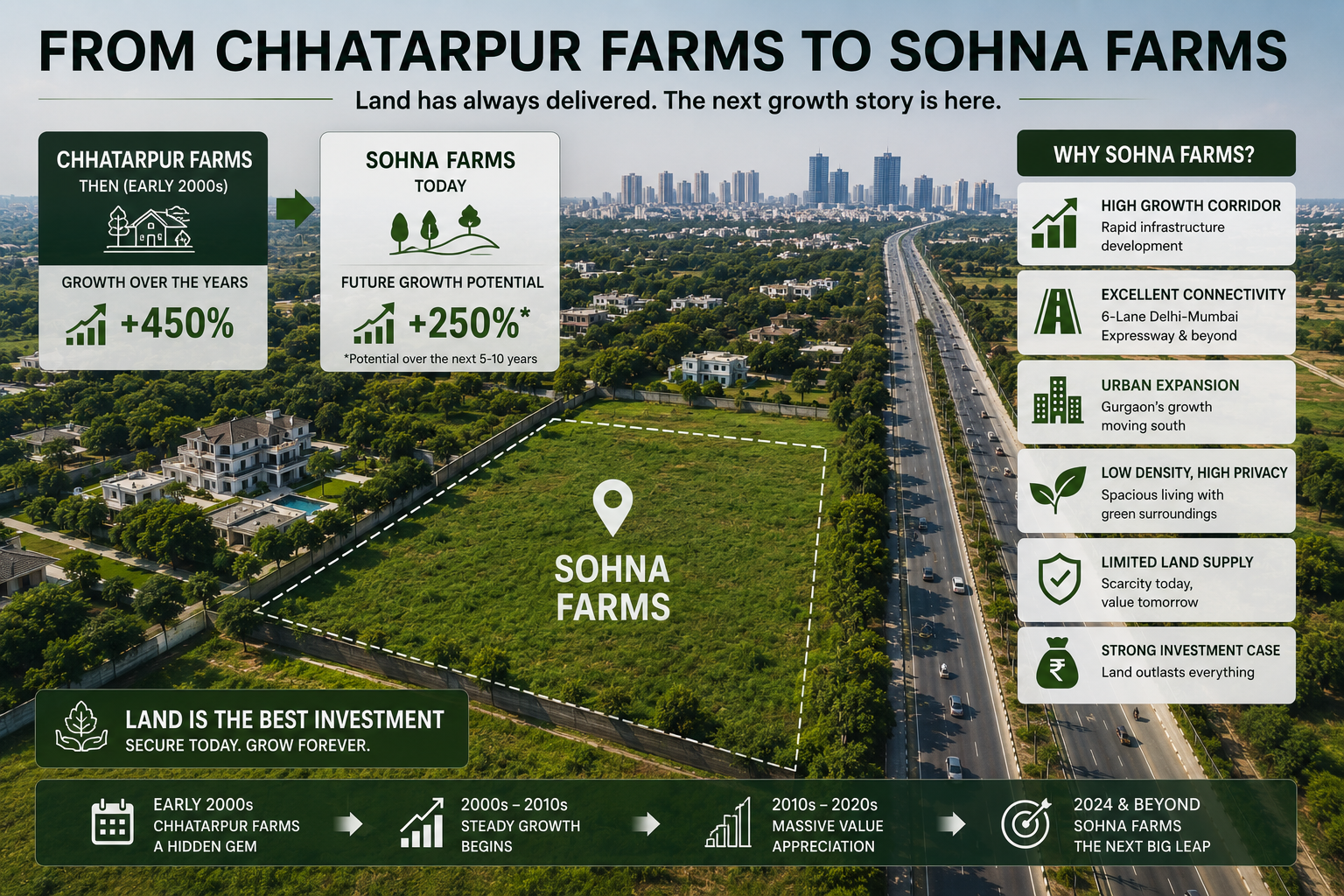
How Chhatarpur Farmhouses Created Multi-Crore Wealth for Early Buyers
What a quiet corner of South Delhi can teach investors about land, scarcity, and long-term wealth creation.

The ₹5 Crore Land Purchase That Became Worth ₹70 Crore
What the Story of DLF Chhatarpur Farms Reveals About Wealth Creation Through Premium Land Ownership
One short email. Stories you can use.
A free, occasional email from our editorial team with our latest features, explainers and reads. Unsubscribe any time — your email stays with us.