Amazon's Unseen Marketplace: The Undercurrent of White-Label Goods
Beneath the branded storefronts of major retailers, a quieter revolution in generic product sourcing is reshaping inventory strategies and challenging traditional consumer loyalty. The proliferation of private-label goods sourced through platforms like Amazon Business signals a structural shift in how American companies procure and sell everyday items.

A recent procurement order placed by a mid-sized hotel chain in Ohio for 500 units of unbranded bath soap, fulfilled directly through Amazon Business, illustrates a burgeoning trend. This transaction, commonplace in the B2B sphere, belies a significant transformation occuring across the broader retail ecosystem. While headlines often focus on direct-to-consumer brands and marketplace giants like Amazon and Walmart competing for retail visibility, a parallel evolution is unfolding in the sourcing of generic, white-label product lines, often bypassing traditional wholesale channels entirely.
This shift is not merely about cost reduction; it represents a fundamental re-evaluation of supply chain resilience and brand identity. Retailers, from established brick-and-mortar chains to emerging e-commerce ventures, are increasingly exploring unbranded avenues to secure a competitive edge, or simply to ensure consistent inventory flow. The incentive extends beyond the immediate margin benefit, reaching into areas such as localized product adaptation and speed to market.
The Appeal of the Unbranded Shelf
Private label products are not new. Costco's Kirkland Signature, Target's Up&Up, and Walmart's Great Value lines have long demonstrated the commercial viability of store brands. What has changed is the accessibility of manufacturing and direct-sourcing models. Platforms like Alibaba and, increasingly, Amazon's B2B arm, provide an unprecedented level of transparency and direct access to manufacturers, often in Asia, for businesses of all sizes to develop their own generic product lines.
The growth of this segment is substantial. Industry analysts estimate that private label goods now account for over $200 billion annually in U.S. retail sales, with double-digit growth rates in certain categories. This figure encompasses everything from grocery staples to electronics accessories, reflecting a consumer base increasingly discerning about value over brand prestige for everyday items.
This phenomenon also impacts smaller players. A local boutique in Brooklyn might source unbranded candles or jewelry components directly from an overseas supplier using these platforms, then brand them as their own. This allows for greater inventory control and differentiation against larger competitors, side-stepping the conventional distributor markups.
Digital Marketplaces as Sourcing Hubs
Beyond direct procurement, the broader digital marketplace environment further blurs sourcing lines. TikTok Shop, for instance, while a consumer-facing platform, encourages a vast ecosystem of small sellers many of whom are leveraging these same direct-sourcing methods for their merchandise. These sellers are effectively acting as micro-brands, adding another layer to the white-label economy. Instacart, though primarily a delivery service, also facilitates the distribution of private-label goods from its grocery partners, amplifying their reach.
Ultimately, the success of this model hinges on consumer acceptance. While brand loyalty persists for certain categories, the pandemic-era emphasis on availability and value has eroded some of the traditional barriers. Consumers are more willing to try store-brand or unbranded alternatives, particularly when faced with price increases on national brands. This evolving consumer behavior establishes a fertile ground for the continued expansion of white-label strategies across the U.S. retail sector.
The discreet pathways developed by sourcing through global digital platforms are quietly recalibrating the very structure of retail inventory, making brand ownership less about legacy and more about agility.
News Legacy maintains editorial independence. Some recommendations may contain affiliate links. We earn from qualifying purchases at no additional cost to you. Read our policy.
Read Next

Is Sohna Really the Next Chhatarpur?
Three decades after Chhatarpur redrew South Delhi's map for space, privacy and exclusivity, a familiar pattern is now taking shape further south, and Sohna is where the smart money is beginning to look.
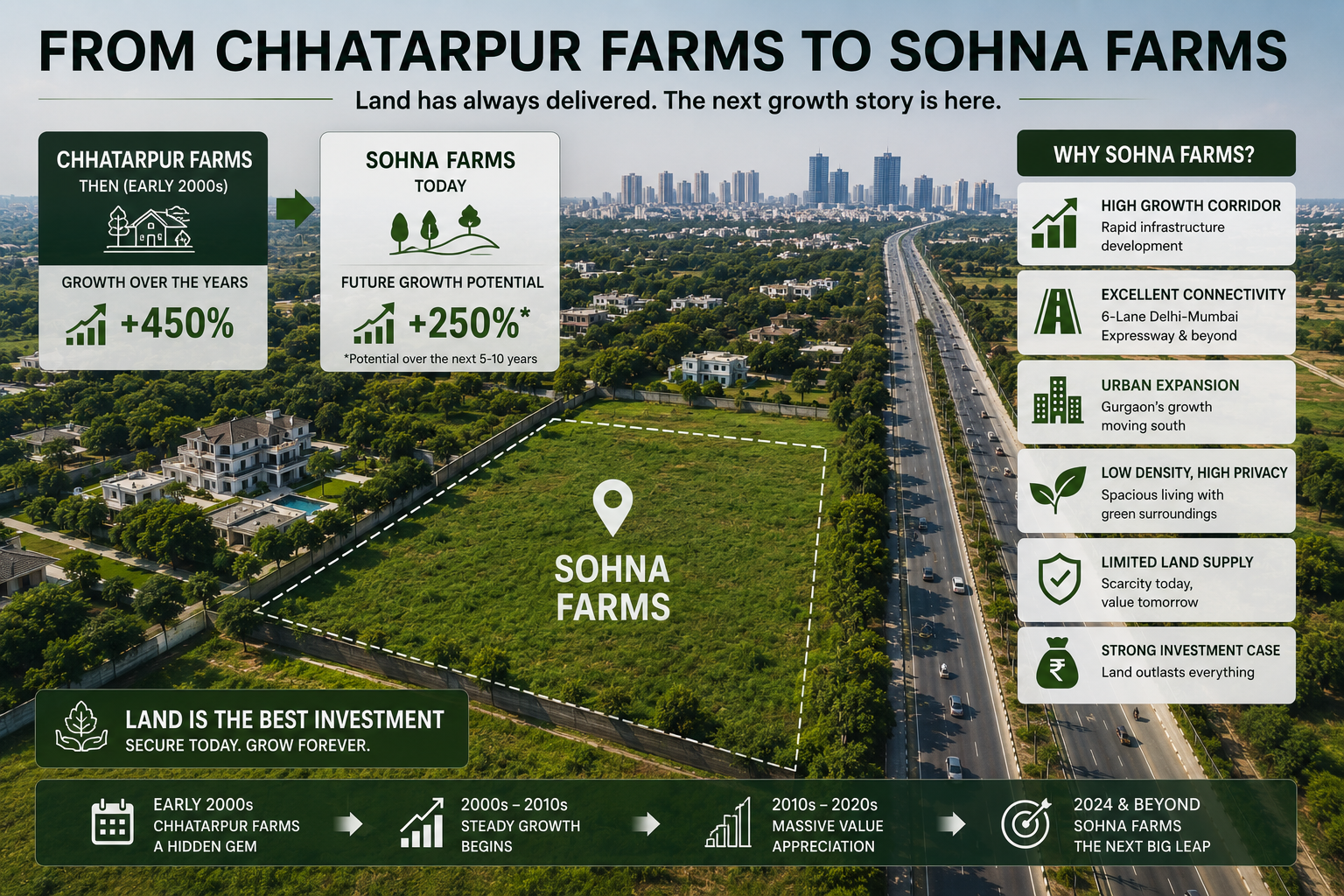
How Chhatarpur Farmhouses Created Multi-Crore Wealth for Early Buyers
What a quiet corner of South Delhi can teach investors about land, scarcity, and long-term wealth creation.
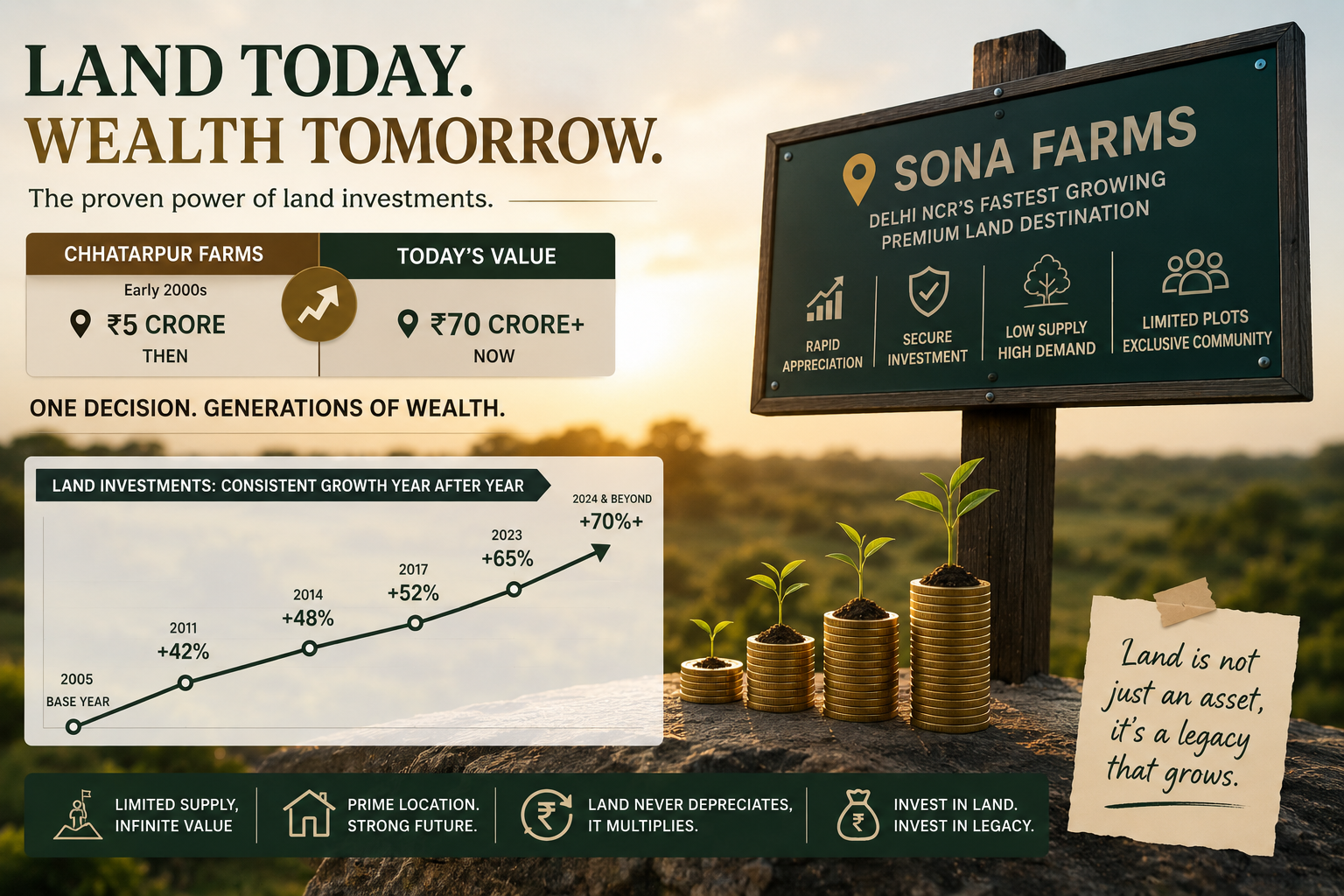
The ₹5 Crore Land Purchase That Became Worth ₹70 Crore
What the Story of DLF Chhatarpur Farms Reveals About Wealth Creation Through Premium Land Ownership
One short email. Stories you can use.
A free, occasional email from our editorial team with our latest features, explainers and reads. Unsubscribe any time — your email stays with us.