The American Consumer Has Split in Two — and Retailers Are Adapting Accordingly
Higher-income households continue to spend; lower-income households are increasingly trading down. The retail landscape is restructuring around the bifurcation.
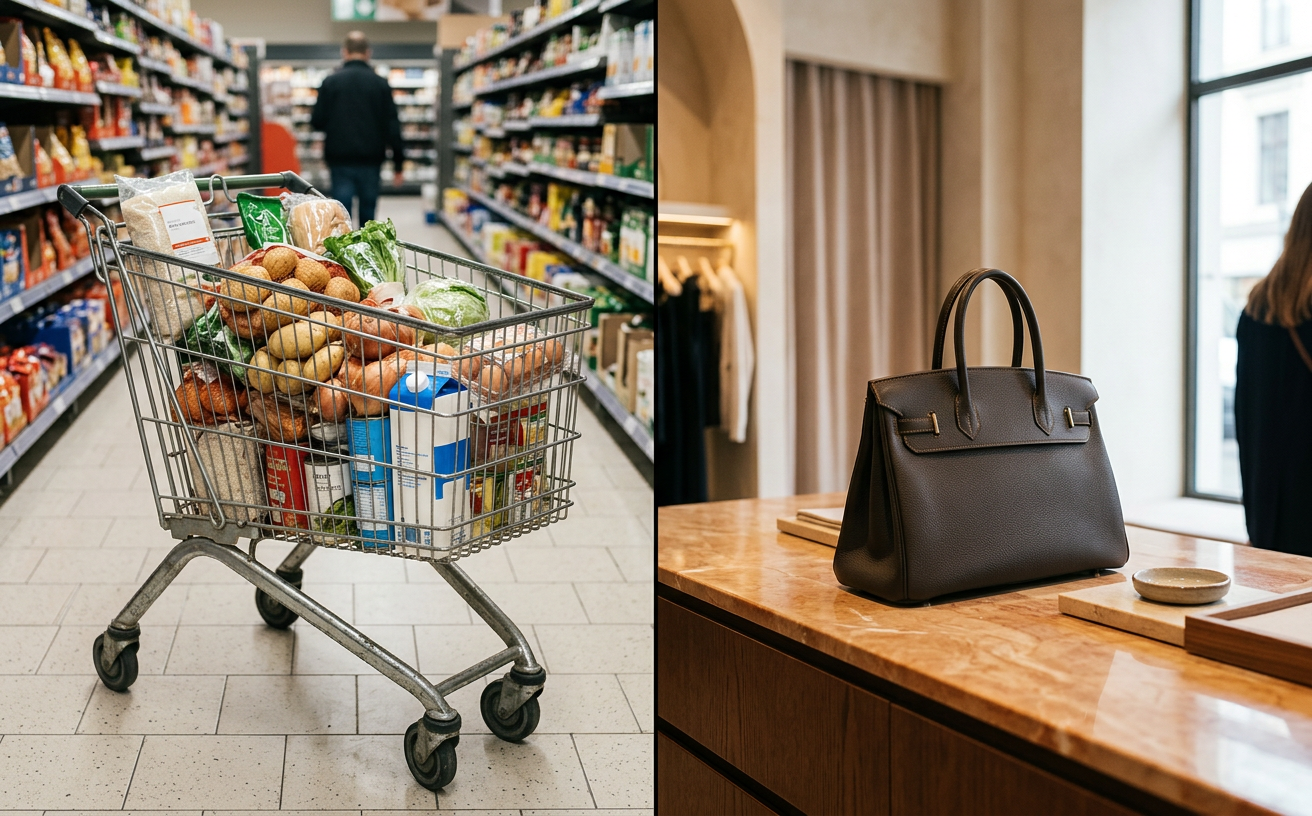
There is no single American consumer in 2026. The top quartile of U.S. households continues to spend confidently on travel, premium goods and discretionary categories. The bottom half is trading down aggressively — to Aldi from Whole Foods, to Temu from Amazon, to private label from name brands. The story matters because the bifurcation is the single most important context for understanding u.s. retail performance right now.
Where the bifurcation is most visible Grocery: Aldi and Lidl continue to take share at one end while specialty grocers serve the other. Apparel: Walmart and Temu thrive at the value end while premium brands report record results at the top. Travel and experience spending remains strikingly resilient at the high end even as more discretionary goods categories soften.
How retailers are responding The clearest winners are operators who serve one end of the spectrum with full conviction — extreme value, or genuine premium — and the clearest losers are mid-market brands trying to be both. The middle of the consumer market has been the hardest place to operate in U.S. retail for two consecutive years.
The middle of American retail is the most uncomfortable seat in the house. The two ends of the market are where the growth and the profit are.
What to watch next Expect continued share concentration at the value and premium ends, more private-label aggression and increasing pressure on mid-market brands to pick a lane. For operators and investors, the read-through is clear: the days of building consumer brands for the middle of the u.s. income distribution are largely over.
News Legacy maintains editorial independence. Some recommendations may contain affiliate links. We earn from qualifying purchases at no additional cost to you. Read our policy.
Read Next
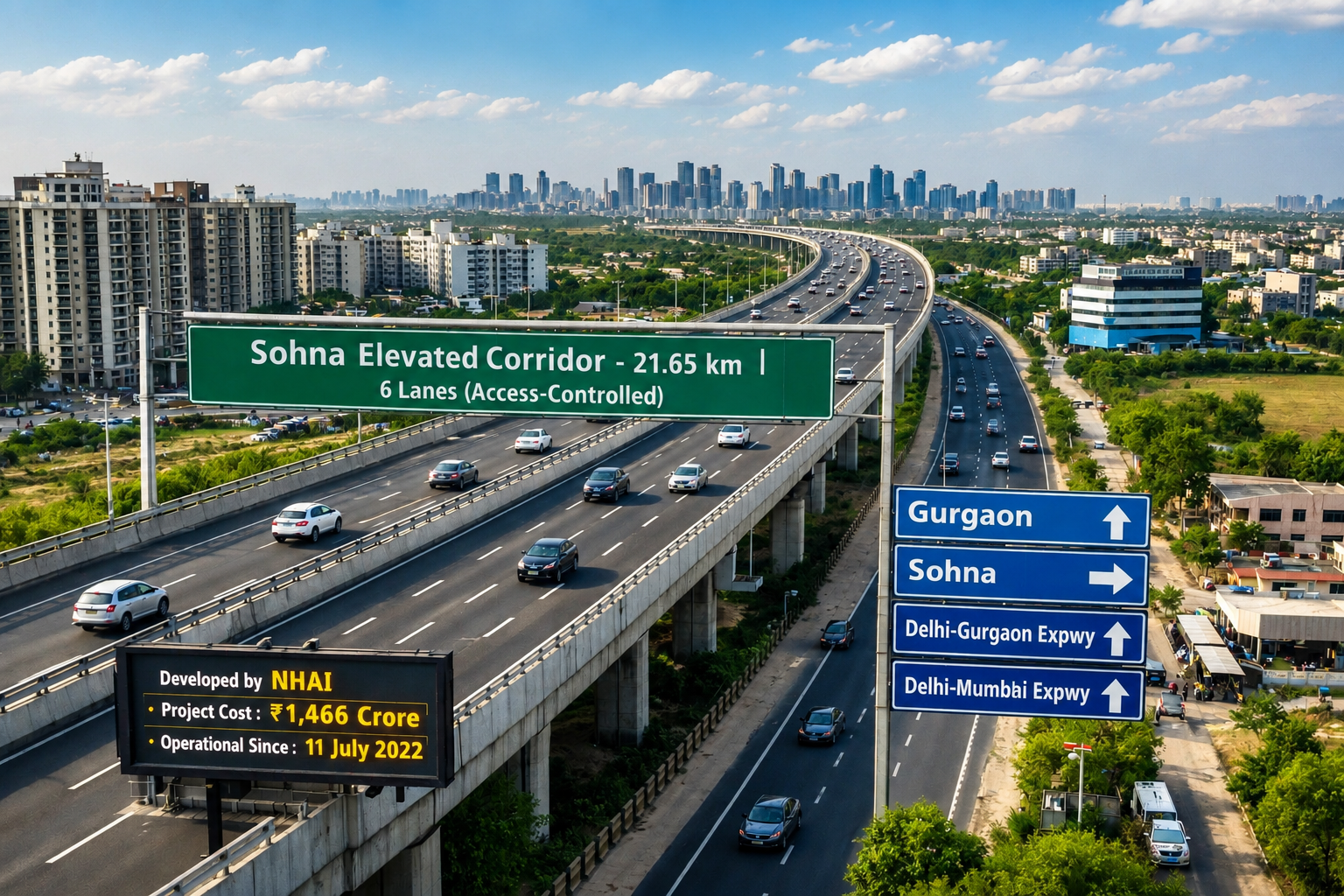
Is Sohna Really the Next Chhatarpur?
Three decades after Chhatarpur redrew South Delhi's map for space, privacy and exclusivity, a familiar pattern is now taking shape further south, and Sohna is where the smart money is beginning to look.
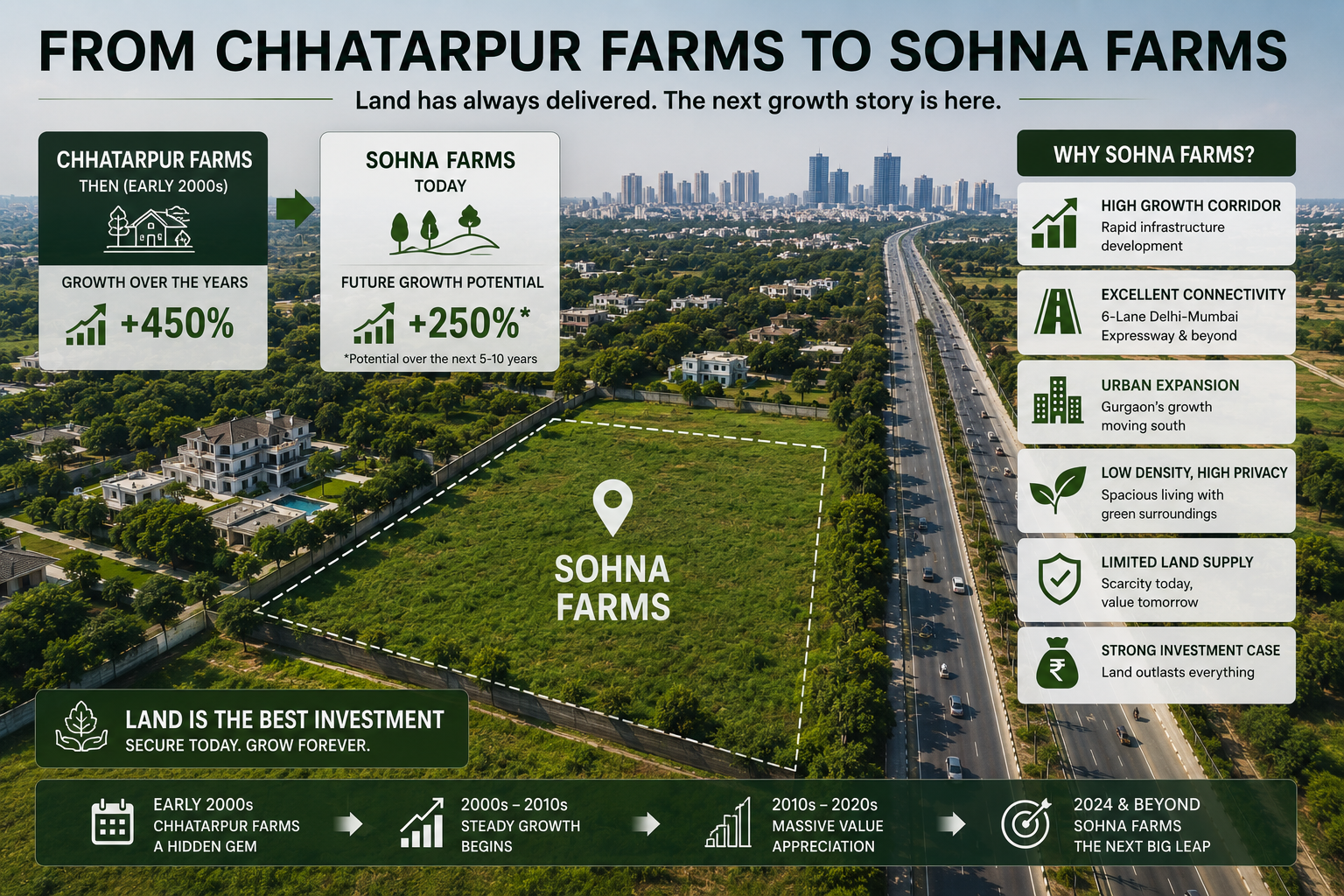
How Chhatarpur Farmhouses Created Multi-Crore Wealth for Early Buyers
What a quiet corner of South Delhi can teach investors about land, scarcity, and long-term wealth creation.
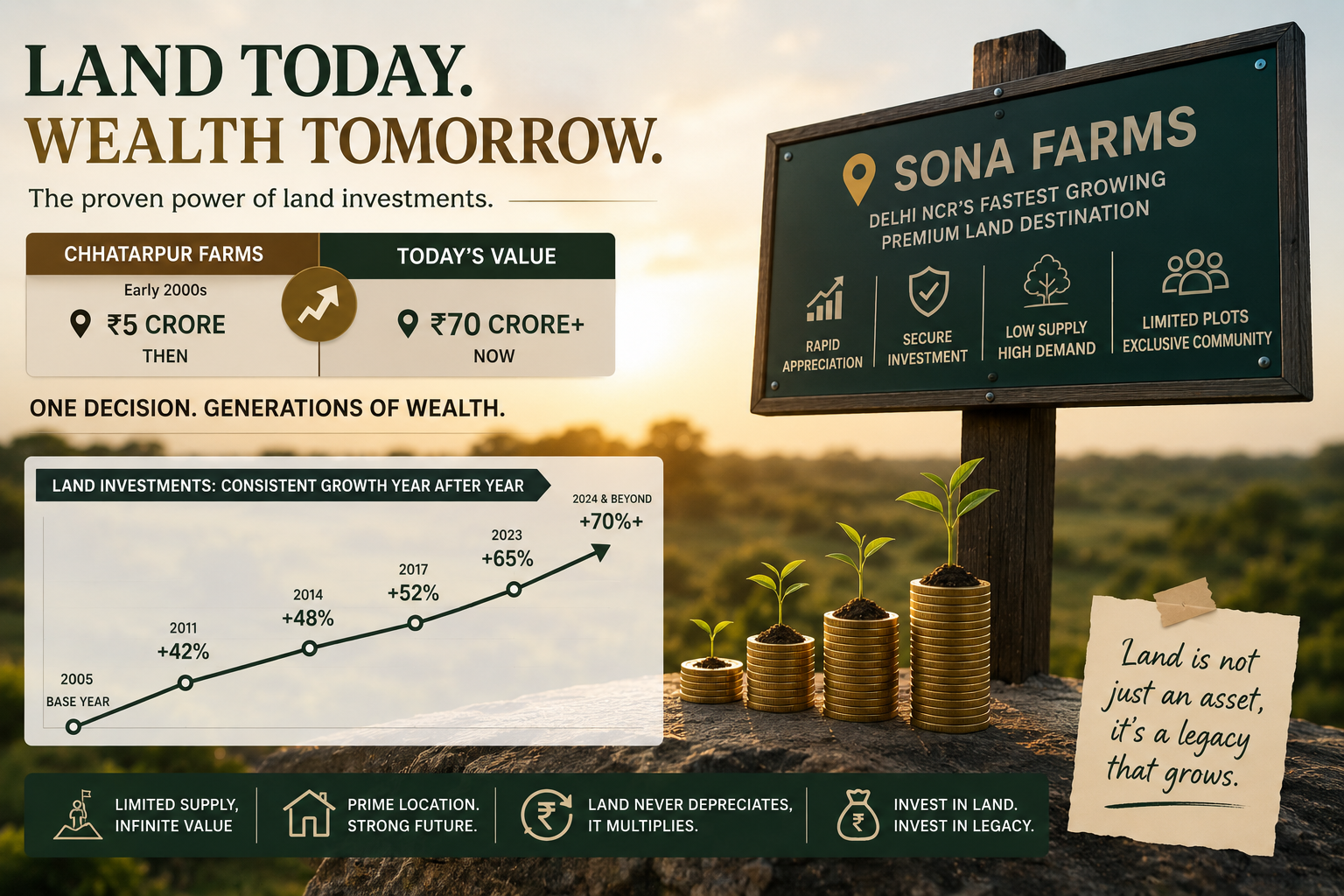
The ₹5 Crore Land Purchase That Became Worth ₹70 Crore
What the Story of DLF Chhatarpur Farms Reveals About Wealth Creation Through Premium Land Ownership
One short email. Stories you can use.
A free, occasional email from our editorial team with our latest features, explainers and reads. Unsubscribe any time — your email stays with us.