Automated Grocers Falter: The UK's Micro-Fulfilment Fizzle
Despite initial venture capital enthusiasm, the promise of fully automated micro-fulfilment centres delivering groceries with unprecedented speed and efficiency has largely failed to materialise across the British retail landscape. Start-ups in this sector face significant operational hurdles and a challenging consumer value proposition as economic conditions tighten.

The once-ubiquitous sight of dark stores and compact urban fulfilment centres, heralded as the future of grocery delivery, is becoming increasingly rare across the UK. Companies like Getir and Gopuff, which aggressively expanded their footprints in cities such as London, Manchester, and Birmingham, have significantly scaled back operations, divested assets, or exited the market entirely. Their rapid ascent, fuelled by billions in venture capital during the pandemic, has been met with an equally swift retrenchment, leaving behind a trail of closed facilities and an unfulfilled vision of instant retail.
This retreat signifies more than just the end of a speculative bubble; it points to fundamental miscalculations regarding consumer demand, logistical complexities, and the economic realities of ultra-fast grocery delivery in a mature market. While consumers demonstrated an appetite for convenience during lockdowns, the high operational costs associated with maintaining extensive real estate portfolios, employing large numbers of riders, and managing perishable inventory within a 15-minute delivery window have proved unsustainable.
The Unyielding Economics of Last-Mile Delivery
The core challenge for these ventures lay in the economics of the 'last mile'. Achieving profitability requires a delicate balance between order volume, average basket size, delivery fees, and the cost of goods. UK consumers, accustomed to the free delivery thresholds offered by traditional online grocers like Tesco and Sainsbury's, or the subscription models of Ocado, have shown a reluctance to consistently pay premium fees for immediate gratification on smaller, often impulse, purchases. The novelty of rapid delivery quickly gave way to a more pragmatic assessment of value.
Furthermore, the logistical infrastructure required for these operations was formidable. Locating and equipping micro-fulfilment centres in dense urban areas presented substantial rental and fit-out costs. Staffing these facilities and managing a fleet of delivery riders added another layer of expense, particularly when considering the fluctuating demand throughout the day. Unlike a traditional supermarket, which benefits from foot traffic and larger average transactions, these dark stores relied almost entirely on digital orders, making them highly sensitive to slight shifts in consumer behaviour and competition.
Shifting Consumer Priorities
As the cost of living escalated across the UK, consumer priorities rapidly shifted from speed and convenience to value and cost-effectiveness. The allure of a rapid delivery for items like a single pint of milk or a snack diminished as household budgets became tighter. Shoppers increasingly opted for planned weekly shops from established supermarkets, leveraging loyalty programmes and bulk-buying opportunities, or utilised local convenience stores for immediate needs, often at lower price points than delivery services could offer once fees were factored in.
The market for hyper-convenience at a premium has proven to be shallower and more price-sensitive within the UK than initially predicted by exuberant early-stage investors.
Traditional retailers, rather than being overthrown, adapted by refining their existing e-commerce offerings. Companies like Marks & Spencer expanded their delivery slots and click-and-collect options, leveraging their established store networks. Deliveroo and Just Eat, while partnering with some of these rapid grocers, also found success by integrating local supermarket options directly into their platforms, providing a more diverse a la carte offering without the need for bespoke fulfilment centres. This demonstrated a more capital-efficient path to meeting diverse consumer needs.
The experience of the rapid grocery sector in the UK serves as a pertinent case study for venture-backed disruptors. While innovation in consumer technology often focuses on speed and seamlessness, the enduring principles of unit economics and genuine consumer value ultimately dictate long-term viability. The initial frenzy has now subsided, leaving behind a more measured approach to urban logistics and a clearer understanding of the British consumer's willingness to pay for accelerated gratification.
News Legacy maintains editorial independence. Some recommendations may contain affiliate links. We earn from qualifying purchases at no additional cost to you. Read our policy.
Read Next

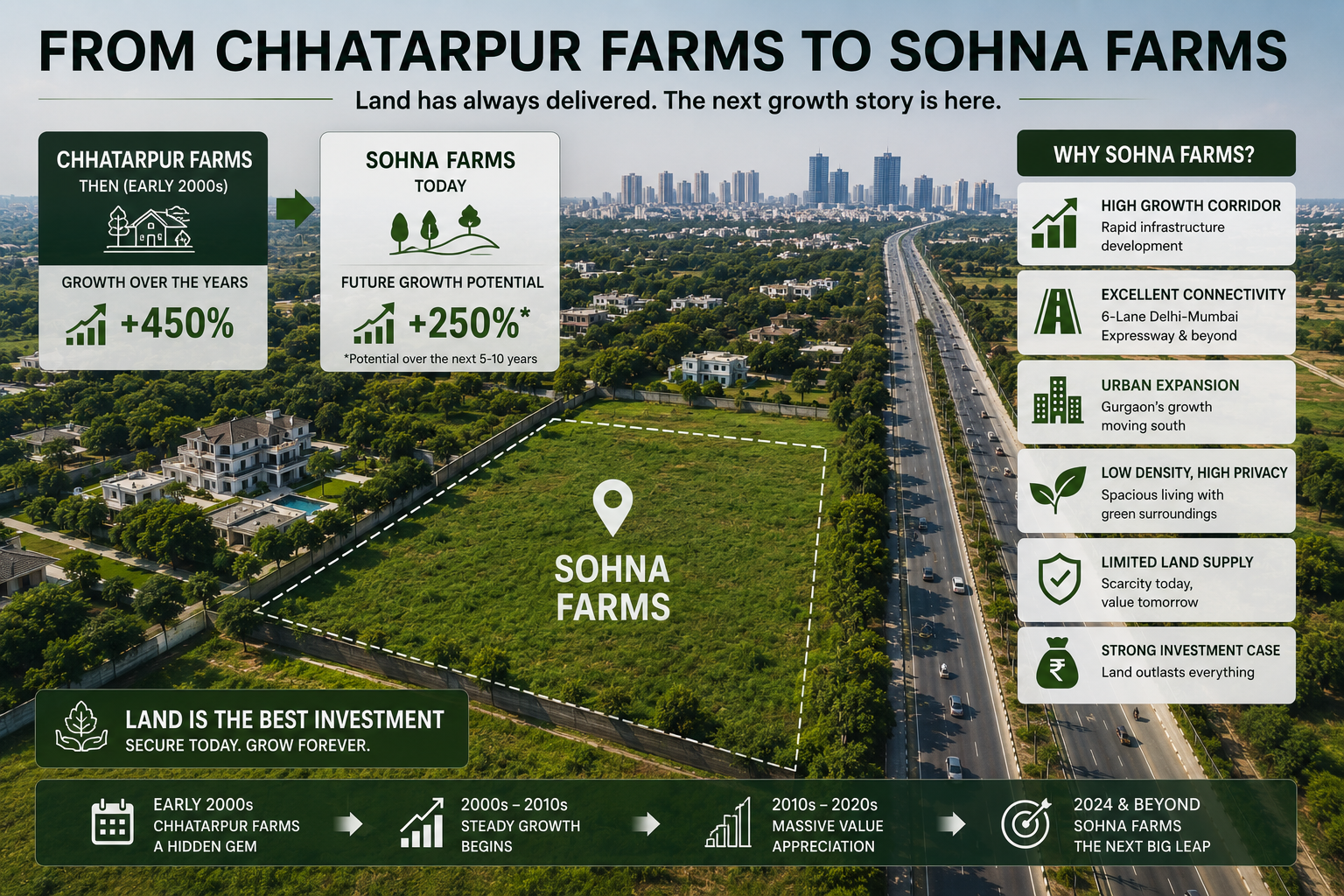
Is Sohna Really the Next Chhatarpur?
Three decades after Chhatarpur redrew South Delhi's map for space, privacy and exclusivity, a familiar pattern is now taking shape further south, and Sohna is where the smart money is beginning to look.
How Chhatarpur Farmhouses Created Multi-Crore Wealth for Early Buyers
What a quiet corner of South Delhi can teach investors about land, scarcity, and long-term wealth creation.

The ₹5 Crore Land Purchase That Became Worth ₹70 Crore
What the Story of DLF Chhatarpur Farms Reveals About Wealth Creation Through Premium Land Ownership
One short email. Stories you can use.
A free, occasional email from our editorial team with our latest features, explainers and reads. Unsubscribe any time — your email stays with us.