Beyond the Cookie Banner: Continental Marketplaces Reclaim the Affiliate Margin
As stringent privacy enforcement constricts third-party attribution across the European Union, regional retail giants from Zalando to Allegro are turning open referral networks into proprietary walled gardens.

Inside Zalando's logistics corridor south of Berlin, product routing is determined down to the millisecond; yet across the digital channels that direct shoppers there, attribution has grown persistently opaque. For a decade, continental e-commerce relied on open-web affiliate aggregators to channel cross-border demand across France, Germany, and the Mediterranean. Today, that model is faltering under the compound weight of ePrivacy enforcement and depressed consent rates, forcing the bloc's primary platforms to dismantle traditional commission arrangements in favour of closed, first-party ecosystems.
The structural tension is particularly acute in cross-border trade. When a consumer in Lyon or Milan purchases via a referral link originating from a German product review site, the intermediary chain historically captured a reliable fee. However, with consent-string compliance dropping cookie acceptance rates below forty per cent in key Western European territories, independent affiliate portals are increasingly blind to downstream conversions. Retailers are unwilling to pay estimated commissions on unverified journeys, precipitating a rapid recalibration of customer-acquisition spending.
The retreat into closed gardens
Rather than subsidising generalist voucher aggregators and third-party content networks, dominant platforms are building direct partner environments. In Poland, Allegro has steadily deepened merchant ties by folding referral mechanisms directly into its proprietary advertising and analytics suite, insulating its take-rate from external ad-tech intermediaries. In the Benelux, Bol has followed a parallel trajectory, rewarding editorial affiliates only when transactions occur within its native application environment, where identity resolution remains intact.
In a regulatory regime where independent attribution fails at every national border, the value of an affiliate shifts from driving raw volume to providing verified, addressable identity.
The shift has dealt a severe blow to traditional coupon and cashback operators across Southern and Central Europe. For years, the legacy quick-commerce sector—exemplified by the aggressive customer acquisition campaigns of Flink and the absorbed operations of Gorillas—poured hundreds of millions of euros into voucher-code affiliate sites, only to discover that such programmes cannibalised organic orders rather than generating incremental basket value. Grocery conglomerates like REWE and Carrefour have observed this cautionary tale, deliberately structuring their digital loyalty and partner programmes to bypass third-party discount aggregators entirely.
Sovereign platforms and fragmented inventory
Meanwhile, platforms rooted in consumer-to-consumer and circular trade are pioneering alternate distribution channels. Vinted has constructed an organic referral loop that bypasses conventional performance networks altogether, relying instead on integrated digital wallet incentives and peer-to-peer distribution across France, Spain, and the Nordics. By embedding the transactional incentive within the application itself, circular marketplaces avoid the attribution leakage that plagues multi-brand department stores and apparel specialists.
This fragmentation leaves European digital publishers in a precarious position. Media groups across Germany and the Nordic region, which once generated robust margin from commercial affiliate content on home electronics and fashion, now face diminished payouts as merchants tighten attribution windows from thirty days to forty-eight hours. To maintain yield, publishers are increasingly compelled to sign direct syndication compacts with specific platforms—effectively turning independent editorial houses into bespoke sales representatives for regional retail powerhouses.
The result is a continental commerce landscape where performance marketing no longer operates as a borderless, ambient layer of the open web. It is instead hardening into distinct regional spheres of influence, governed by the data governance rules of individual marketplaces and constrained by national consumer habits. For brands seeking pan-European reach, the era of orchestrating a single affiliate campaign across six member states has drawn to a definitive close.
News Legacy maintains editorial independence. Some recommendations may contain affiliate links. We earn from qualifying purchases at no additional cost to you. Read our policy.
Read Next

Is Sohna Really the Next Chhatarpur?
Three decades after Chhatarpur redrew South Delhi's map for space, privacy and exclusivity, a familiar pattern is now taking shape further south, and Sohna is where the smart money is beginning to look.
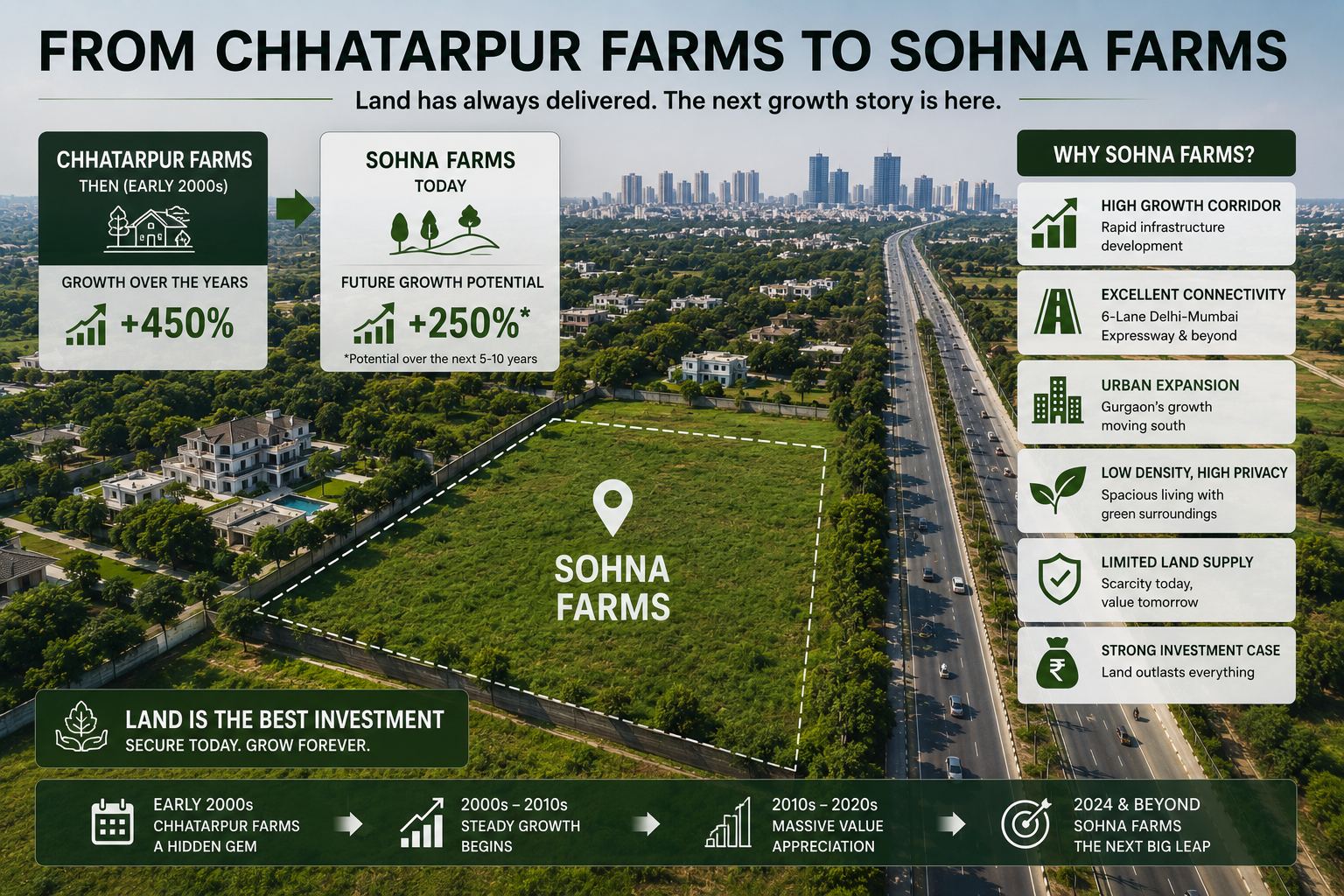
How Chhatarpur Farmhouses Created Multi-Crore Wealth for Early Buyers
What a quiet corner of South Delhi can teach investors about land, scarcity, and long-term wealth creation.
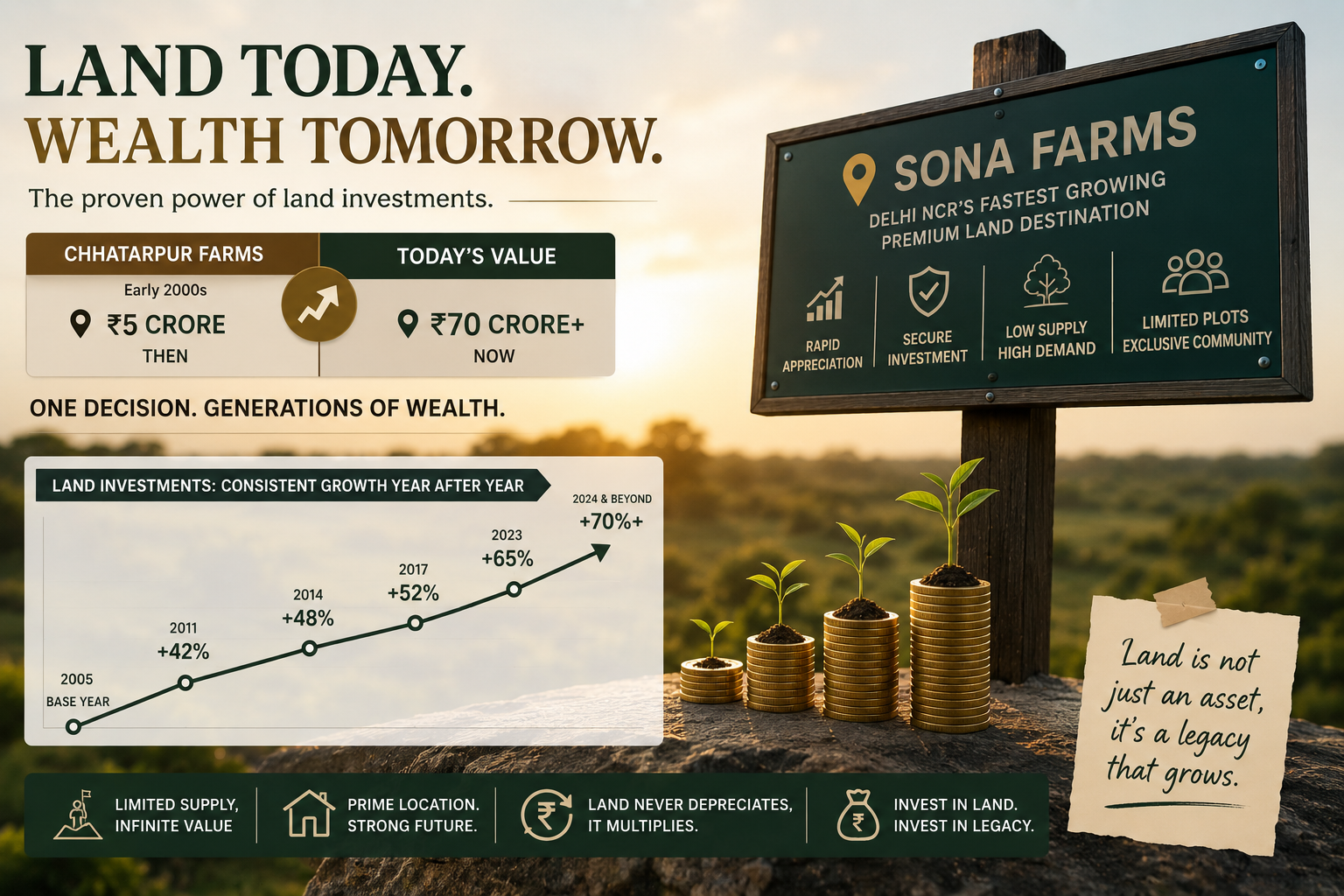
The ₹5 Crore Land Purchase That Became Worth ₹70 Crore
What the Story of DLF Chhatarpur Farms Reveals About Wealth Creation Through Premium Land Ownership
One short email. Stories you can use.
A free, occasional email from our editorial team with our latest features, explainers and reads. Unsubscribe any time — your email stays with us.