Beyond the High Street: UK Retail Startups Navigating a Digital-First Future
New direct-to-consumer ventures are emerging to challenge established retail models in the UK, leveraging technology and agile strategies. Their ability to capture market share will depend on resilience against tightening capital and evolving consumer loyalties.

In a modest industrial unit in Greater Manchester, a small team oversees a highly automated fulfilment operation, despatching artisanal coffee blends directly to subscribers across the UK. This scene, replicated in various forms nationwide, underscores a persistent trend: even as established giants like Tesco and Sainsbury's dominate the grocery landscape, and fashion titans such as ASOS and Next evolve their online offerings, new entrants continue to carve out niche markets, often by bypassing traditional retail channels entirely.
The UK’s retail sector, valued at over £400 billion annually, remains fertile ground for innovation despite economic headwinds. Entrepreneurs are capitalising on shifting consumer preferences for convenience, sustainability, and personalised experiences. These startups, often digitally native, present a compelling counter-narrative to the well-publicised struggles of brick-and-mortar stores.
The Direct-to-Consumer Imperative
Many emerging brands are built on a direct-to-consumer (D2C) model, offering products ranging from ethical beauty to specialist pet food. This approach allows for greater control over brand messaging, customer data, and profit margins, avoiding the fees and complexities associated with wholesale distribution or listing on large marketplaces. Companies like Patch Plants, for instance, have successfully scaled by delivering directly to urban dwellers, offering a curated experience that differentiates them from traditional garden centres.
However, the D2C space is becoming increasingly crowded. Customer acquisition costs, particularly through paid digital channels, are rising, making sustained profitability a significant challenge. The initial advantage of lower overheads can quickly erode as marketing expenditure climbs, demanding a sophisticated understanding of unit economics.
The initial allure of direct sales can obscure the substantial ongoing investment required to build brand awareness and customer loyalty in a saturated digital marketplace.
Capital and Competition
Securing capital is another hurdle. While venture capital flowed freely into tech-enabled retail earlier in the decade, investors are now scrutinising business models more rigorously. Profitability and a clear path to scale are paramount. Startups must demonstrate not just growth, but sustainable growth, an imperative that has intensified given the higher cost of borrowing and general economic uncertainty.
The competitive landscape extends beyond other startups. Established players are not static. Marks & Spencer, for example, has significantly invested in its online capabilities and logistics, while Ocado continues to set benchmarks in automated fulfilment. The rapid delivery sector, dominated by firms like Deliveroo and Just Eat, also presents both partnership opportunities and competitive pressure for smaller food and beverage brands.
Innovation in logistics and supply chain management is crucial for these new ventures. Many are adopting flexible fulfilment solutions, often leveraging third-party logistics providers to scale operations without the upfront capital expenditure of building their own warehousing networks. The agility this provides can be a key differentiator against more cumbersome legacy systems.
Looking ahead, the success of the next wave of UK retail startups will hinge on their ability to build genuine brand affinity, maintain robust financial discipline, and navigate an increasingly complex digital and economic environment. Merely existing online is no longer sufficient; sustained value creation is the new benchmark for survival and growth.
News Legacy maintains editorial independence. Some recommendations may contain affiliate links. We earn from qualifying purchases at no additional cost to you. Read our policy.
Read Next

Is Sohna Really the Next Chhatarpur?
Three decades after Chhatarpur redrew South Delhi's map for space, privacy and exclusivity, a familiar pattern is now taking shape further south, and Sohna is where the smart money is beginning to look.
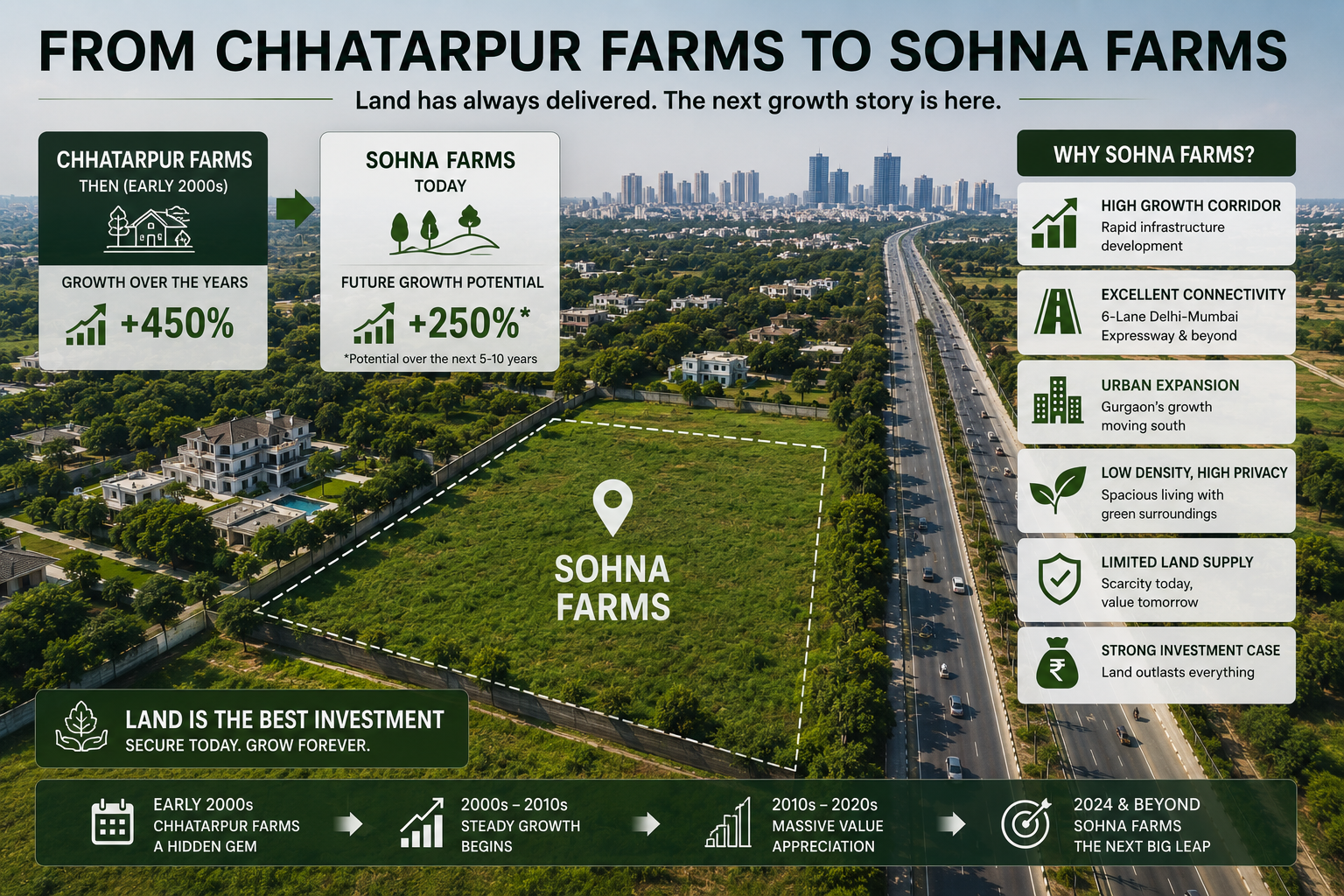
How Chhatarpur Farmhouses Created Multi-Crore Wealth for Early Buyers
What a quiet corner of South Delhi can teach investors about land, scarcity, and long-term wealth creation.
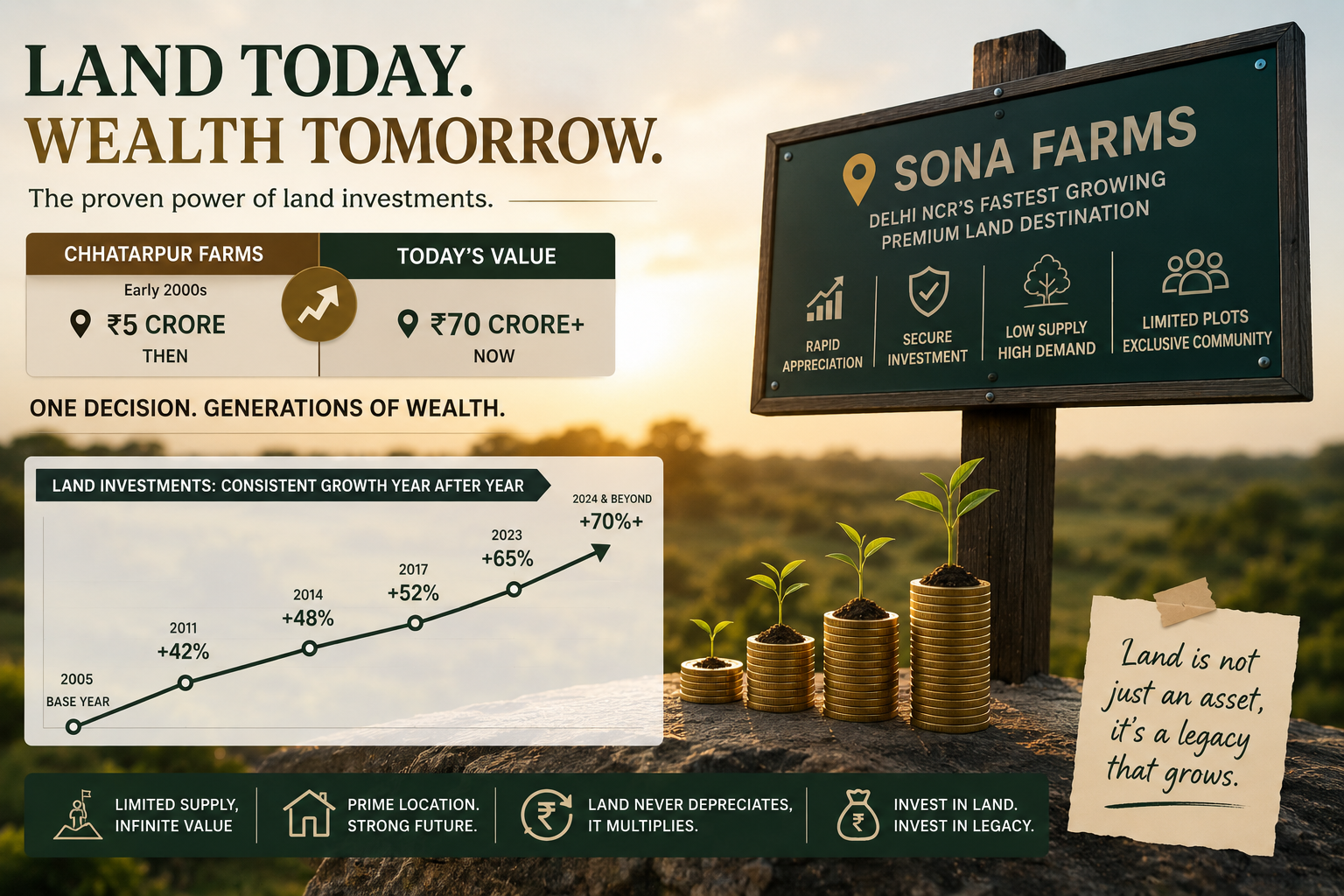
The ₹5 Crore Land Purchase That Became Worth ₹70 Crore
What the Story of DLF Chhatarpur Farms Reveals About Wealth Creation Through Premium Land Ownership
One short email. Stories you can use.
A free, occasional email from our editorial team with our latest features, explainers and reads. Unsubscribe any time — your email stays with us.