Beyond the Link: Europe's Evolving Affiliate Ecosystem Confronts Consolidation and Scrutiny
Across the European Union, the affiliate marketing landscape, long a discreet driver of online commerce, is now grappling with intensified regulatory oversight and the consolidating power of platforms, redefining how brands and publishers monetise digital engagement.

When a user in Germany clicks an affiliated product link on a comparison site and lands on Zalando, or a Polish consumer finds a deal through a content publisher recommending Allegro, these interactions often represent the final, tangible step in a sophisticated affiliate journey. This mechanism, where publishers earn commissions for driving sales or leads, forms a foundational, albeit often invisible, layer of the continent's digital economy. Its significance, measured in billions of euros annually across sectors from fashion to groceries, is now coming into sharper focus as both regulators and market dynamics reshape its boundaries.
For years, numerous retailers, including Carrefour and REWE in their burgeoning e-commerce operations, have leveraged affiliate networks to extend their reach without bearing the full cost of direct advertising. Publishers, ranging from large media houses to niche bloggers, have found a sustainable revenue stream. However, the operational opacity inherent in many affiliate models, particularly concerning data privacy and consumer disclosures, is attracting increased attention from European regulators intent on robust consumer protection and market fairness.
The Pressure Points: Regulation and Disclosure
The digital services act (DSA) and heightened scrutiny from national data protection authorities are compelling a re-evaluation of current practices. Affiliate publishers, particularly those operating across borders, face a complex web of requirements regarding cookie consent, data usage transparency, and the clear disclosure of commercial relationships. A publisher promoting a product for Cdiscount in France must now navigate not only French regulations but also potentially those of a user's country of origin, adding layers of compliance overhead. This environment disproportionately affects smaller players who lack the legal resources of larger intermediaries.
This regulatory push coincides with a broader industry trend towards more direct relationships between brands and influential content creators. While traditional affiliate networks still thrive, the rise of platforms like Vinted and Bolt, which have strong direct-to-consumer models and often cultivate their own internal ambassador programmes, suggests a shifting preference for owned channels over third-party intermediaries for certain types of engagement.
The era of undeclared commercial affiliations is drawing to a close; transparency is no longer merely good practice but a fundamental requirement for operating within the European digital sphere.
The consolidation of retail power also plays a role. Giants such as Amazon, while not a European entity, exert gravitational pull, and their own extensive affiliate programmes often set benchmarks for commission structures and reporting. European players like Bol in the Netherlands or numerous fashion retailers across the Nordics navigate this competitive landscape, constantly evaluating the efficacy and cost of their affiliate partnerships against other marketing channels.
Cross-Border Complexities and Market Evolution
The inherent cross-border nature of the European digital market presents unique challenges and opportunities for affiliate marketing. A German fitness equipment review site might generate significant sales for an Italian sportswear brand, for instance. However, tracking and attributing these conversions reliably across different national payment systems, language barriers, and distinct consumer behaviours demands sophisticated technological solutions. The ambition of grocery delivery services like Flink, which expanded rapidly across multiple European markets, underscored the potential of scaled digital marketing, but also the complexities of local adaptation and the financial pressures that can quickly curtail such aggressive expansion.
Despite these headwinds, the affiliate model continues to offer a compelling, performance-based marketing solution. As companies refine their strategies around first-party data and direct consumer relationships, affiliate marketing is likely to evolve towards more integrated and transparent partnerships. This shift suggests a future where deeper collaboration, rather than mere transactional clicks, defines the most successful European affiliate strategies, ensuring both regulatory compliance and sustained brand growth.
News Legacy maintains editorial independence. Some recommendations may contain affiliate links. We earn from qualifying purchases at no additional cost to you. Read our policy.
Read Next

Is Sohna Really the Next Chhatarpur?
Three decades after Chhatarpur redrew South Delhi's map for space, privacy and exclusivity, a familiar pattern is now taking shape further south, and Sohna is where the smart money is beginning to look.
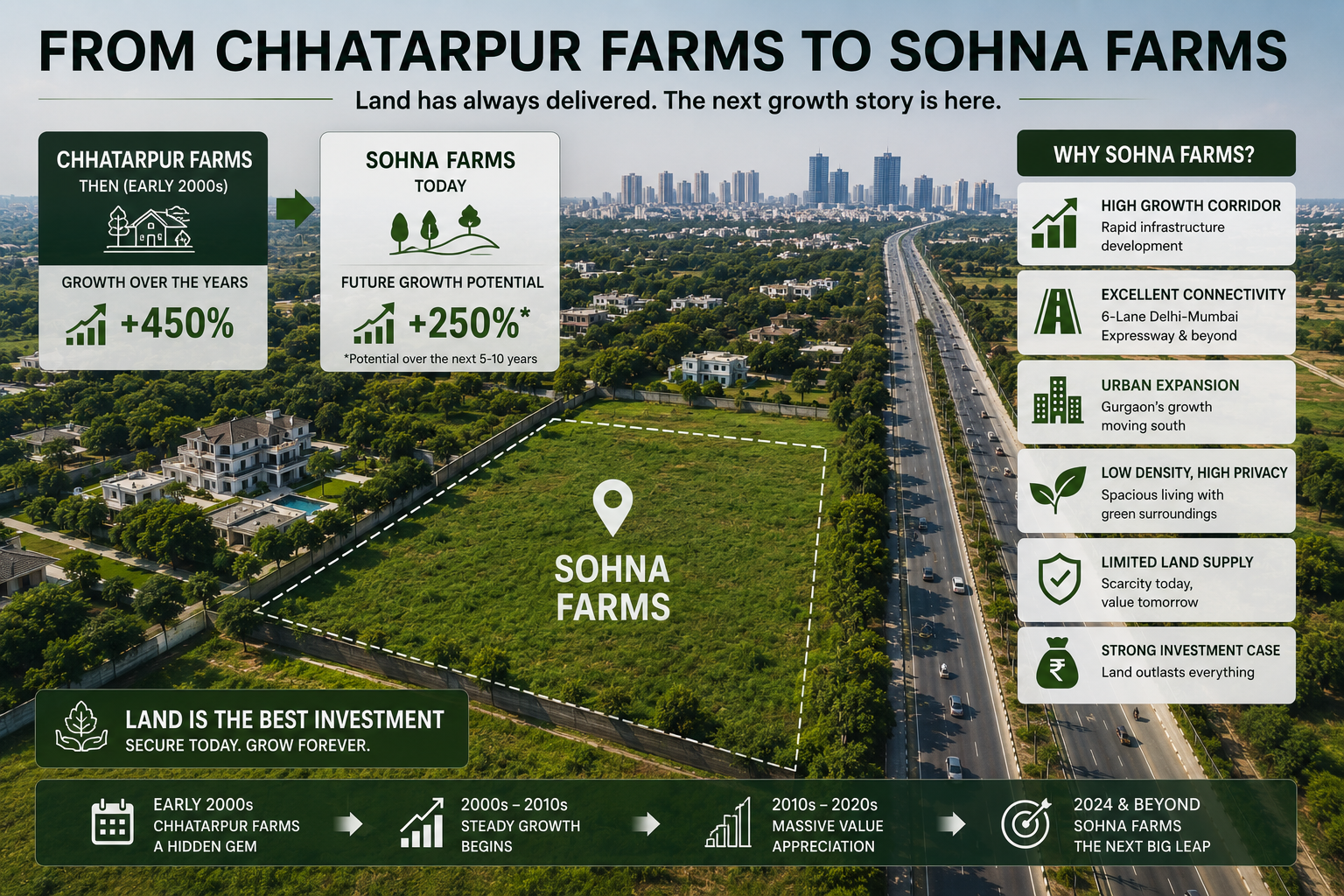
How Chhatarpur Farmhouses Created Multi-Crore Wealth for Early Buyers
What a quiet corner of South Delhi can teach investors about land, scarcity, and long-term wealth creation.

The ₹5 Crore Land Purchase That Became Worth ₹70 Crore
What the Story of DLF Chhatarpur Farms Reveals About Wealth Creation Through Premium Land Ownership
One short email. Stories you can use.
A free, occasional email from our editorial team with our latest features, explainers and reads. Unsubscribe any time — your email stays with us.