Border-Blind Logistics: How Central European Megahubs Are Rewiring Continental E-Commerce
Facing stubborn operating costs and softening consumer demand, Europe's largest retailers are abandoning duplicative national distribution sites in favour of cross-border automation corridors.

Just east of the German border, along the motorways radiating from western Poland, rows of high-bay distribution centres illustrate how continental supply chains are quietly being redrawn. Here, e-commerce heavyweights including Zalando and Allegro have established expansive fulfillment bases designed to serve Berlin, Prague and Vienna as readily as Warsaw. This concentration of freight capacity reflects a profound structural transition across the European Union: the post-pandemic orthodoxy of decentralised, hyper-local storage has fractured under the weight of surging wage rates and high commercial rents, forcing a migration toward consolidated cross-border conduits.
The transition marks an overt repudiation of the capital-intensive sprint towards instant delivery. The swift collapse and consolidation of urban dark-store networks—a sector epitomised by the legacy of Gorillas and the disciplined contraction of Flink—demonstrated that European urban centres cannot sustain sub-hourly courier models on low-margin goods. Instead of building dense clusters of inner-city micro-hubs across France, Germany and Italy, institutional retail capital is flowing towards high-capacity transit centres built directly along international freight corridors.
The rise of regional cross-border clusters
In north-western Europe, Dutch marketplace Bol and French veteran Cdiscount have similarly adjusted their operational perimeters to avoid redundant national warehousing. Rather than maintaining isolated hubs across France, Belgium and the Netherlands, operators are pooling inventory within automated mega-facilities situated in the logistics triangle spanning Hauts-de-France and the southern Benelux. From an integrated site near Lille or Liège, automated sorters can process single-origin dispatches capable of reaching roughly forty million households within twenty-four hours, stripping out millions of euros in duplicate administrative overhead.
Simultaneously, apparel marketplace Vinted has accelerated this border-blind efficiency by turning customer pick-up and drop-off into a cross-border asset. Operating across dense cross-country trade routes between France, Spain and Italy, the company bypasses the standard home-courier infrastructure by moving consolidated consignments directly between regional drop-off points. The strategy has reduced last-mile transit costs significantly compared with standard national parcel carriers, establishing that European shoppers will willingly sacrifice door-step convenience to avoid delivery surcharges.
Automation replaces urban proximity
Logistics directors across the continent are no longer prioritising the raw speed of the final mile; they are re-architecting networks around structural consolidation and multi-country transport corridors.
Food retailers are adopting comparable disciplines. German grocers REWE and Lidl, alongside France's Carrefour, are modernising their logistics architecture to counter the sustained pressure of high operational expenditure. Rather than duplicating temperature-controlled depots across adjacent regions, these groups are concentrating investments in multi-temperature automated facilities that deploy autonomous mobile robots and automated storage-and-retrieval systems. These systems permit grocers to handle wider regional catchments without proportionate headcount increases, keeping logistics costs per crate tightly managed.
Crucially, the consolidation of centralised distribution is underpinned by the rapid spread of automated parcel locker networks. Pioneered at scale in Poland by domestic operators and now adopted throughout the Nordics, the Iberian peninsula and central Europe, locker grids have curtailed the notoriously unprofitable residential last-mile run. By gathering dozens of individual parcels into a single access point, operators have lowered failed first-time deliveries from double-digit percentages down to negligible levels.
The resulting geography of European commerce looks less like a fragmented patchwork of twenty-seven sovereign networks and more like an interconnected grid of logistical basins. For retailers navigating subdued discretionary spending alongside tightening emissions standards across the continent, these automated cross-border hubs no longer represent merely an operational experiment; they constitute the baseline infrastructure required to preserve operating margins in an era of elevated structural costs.
News Legacy maintains editorial independence. Some recommendations may contain affiliate links. We earn from qualifying purchases at no additional cost to you. Read our policy.
Read Next
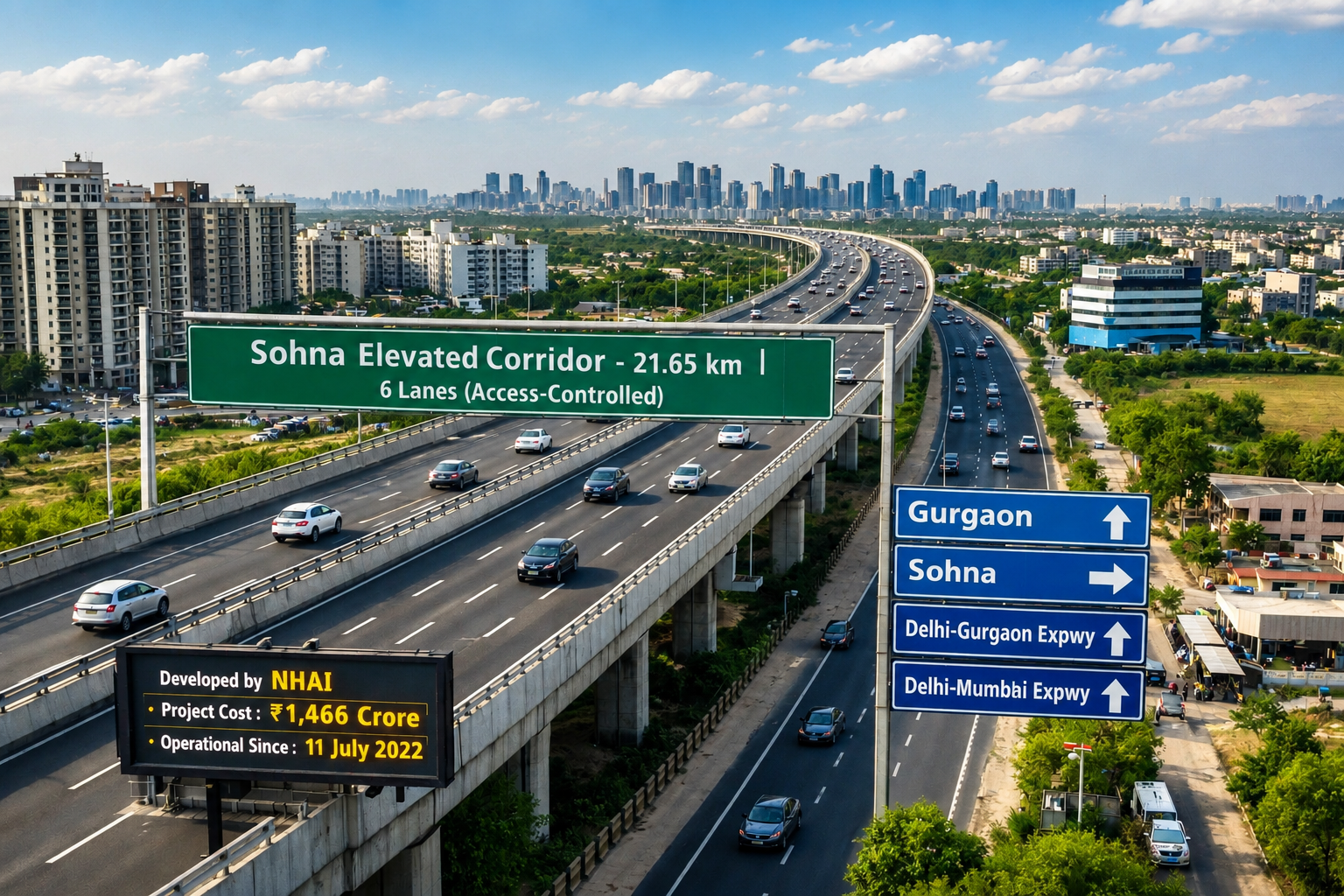
Is Sohna Really the Next Chhatarpur?
Three decades after Chhatarpur redrew South Delhi's map for space, privacy and exclusivity, a familiar pattern is now taking shape further south, and Sohna is where the smart money is beginning to look.
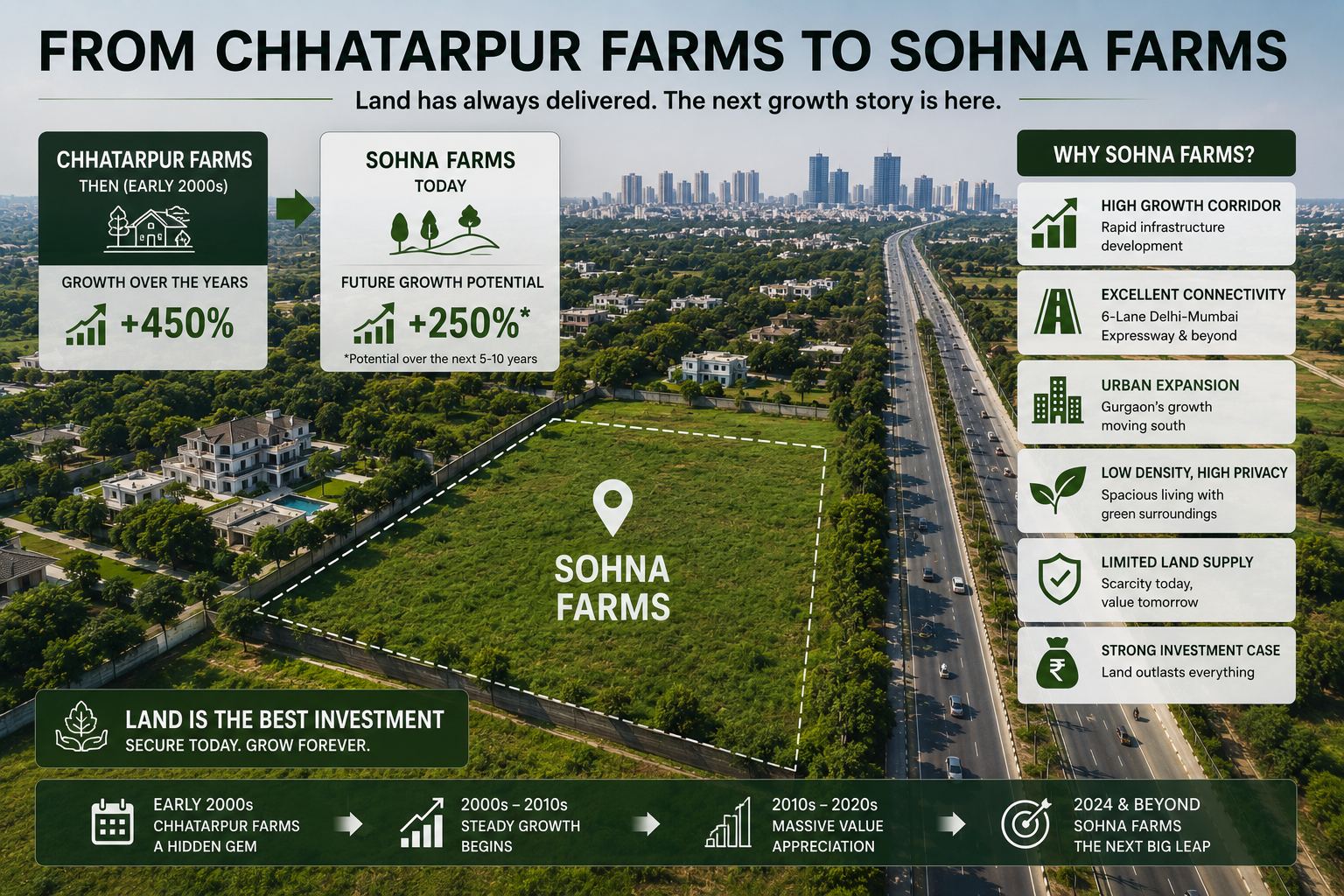
How Chhatarpur Farmhouses Created Multi-Crore Wealth for Early Buyers
What a quiet corner of South Delhi can teach investors about land, scarcity, and long-term wealth creation.

The ₹5 Crore Land Purchase That Became Worth ₹70 Crore
What the Story of DLF Chhatarpur Farms Reveals About Wealth Creation Through Premium Land Ownership
One short email. Stories you can use.
A free, occasional email from our editorial team with our latest features, explainers and reads. Unsubscribe any time — your email stays with us.