Britain’s High Street Retools the Influencer Balance Sheet
Faced with stubborn inventory overhangs and subdued consumer discretionary spend, retail groups from Marks & Spencer to ASOS are trading speculative brand campaigns for tightly audited, commission-led affiliate networks.

Inside the logistics corridors of British retail, the open-ended creator sponsorship is being quietly retired. Over the past twelve months, multichannel groups including Marks & Spencer and online specialists such as ASOS have restructured their promotional spending, pivoting away from fixed-fee endorsements toward strict commission arrangements pegged to net retained sales. The calculation is unromantic: with British household budgets constrained by persistent services inflation and apparel return rates hovering near thirty percent, marketing directors can no longer justify six-figure contracts that yield unmeasurable goodwill.
This retrenchment reflects a wider operational maturation. Where fashion brands once disbursed vast allocations of seasonal inventory to lifestyle figures across Instagram and TikTok with minimal auditing, the current regime demands algorithmic accountability. Retailers are linking creator payouts directly to enterprise resource planning systems. If an item purchased via a tracking link is returned to an ASOS hub within the standard 28-day window, the creator's margin clawback is automatic. Quick-commerce operators such as Deliveroo and Just Eat have adopted a parallel pragmatism, steering promotional budgets into micro-creator campaigns where fees vest only upon completed checkout rather than casual video views.
Internalising the Talent Pool
A notable casualty of this discipline is the external agency model. Rather than paying external talent brokerages standard markups of twenty to thirty percent, chains such as Marks & Spencer and Sainsbury’s have cultivated proprietary rosters drawn directly from their shop floors. The 'M&S Insider' initiative, which began as an experiment in colleague advocacy, now operates as a core merchandising channel. Store supervisors and visual merchandisers in Leeds or Cheltenham model weekly womenswear drops on corporate social accounts, drawing standard hourly wages supplemented by modest performance bonuses. For the retailer, the arrangement guarantees cultural authenticity while keeping media production costs firmly within store operating overheads.
For pureplay digital retailers, the stakes are starker. Next, long admired in the City for its disciplined capital allocation, has maintained a notoriously sceptical stance toward speculative creator budgets, opting instead to direct promotional capital into search optimisation and its dominant Total Platform infrastructure. When ASOS announced its sweeping turnaround programme to pare back debt and eliminate unprofitable stock lines, creator outlays were among the first line items subjected to zero-based budgeting. In their place arose tiered partner programmes where only the top decile of conversion-driving accounts earn elevated commission rates above five percent.
The era of paying upfront retainers for brand adjacency has passed; British retail boards now treat content creators with the same margin scepticism they apply to third-party logistics suppliers.
The Platform Squeeze and Margin Defence
External competition is compounding the pressure to professionalise. The aggressive domestic expansion of TikTok Shop has presented British retailers with an uncomfortable dilemma. While the platform offers direct access to younger shoppers browsing during live-stream sessions, its standard commission rates and heavy discounting culture threaten already paper-thin gross margins. Fast-moving beauty brands have tested the waters, yet legacy grocers such as Tesco and Ocado remain wary. For food retailers operating on net margins below four percent, surrendering transaction data and distribution control to an overseas platform remains an unpalatable trade.
What emerges across the British retail map is a pragmatic reconciliation. The creator economy has ceased to be an exotic sandbox funded by discretionary innovation budgets; it is now an integrated, heavily audited component of customer acquisition cost. As consumer spending remains selective through the remainder of the trading year, the creators who endure will not be those boasting millions of passive followers, but those willing to operate as outsourced sales representatives whose remuneration is inextricably bound to the merchant’s bottom line.
News Legacy maintains editorial independence. Some recommendations may contain affiliate links. We earn from qualifying purchases at no additional cost to you. Read our policy.
Read Next

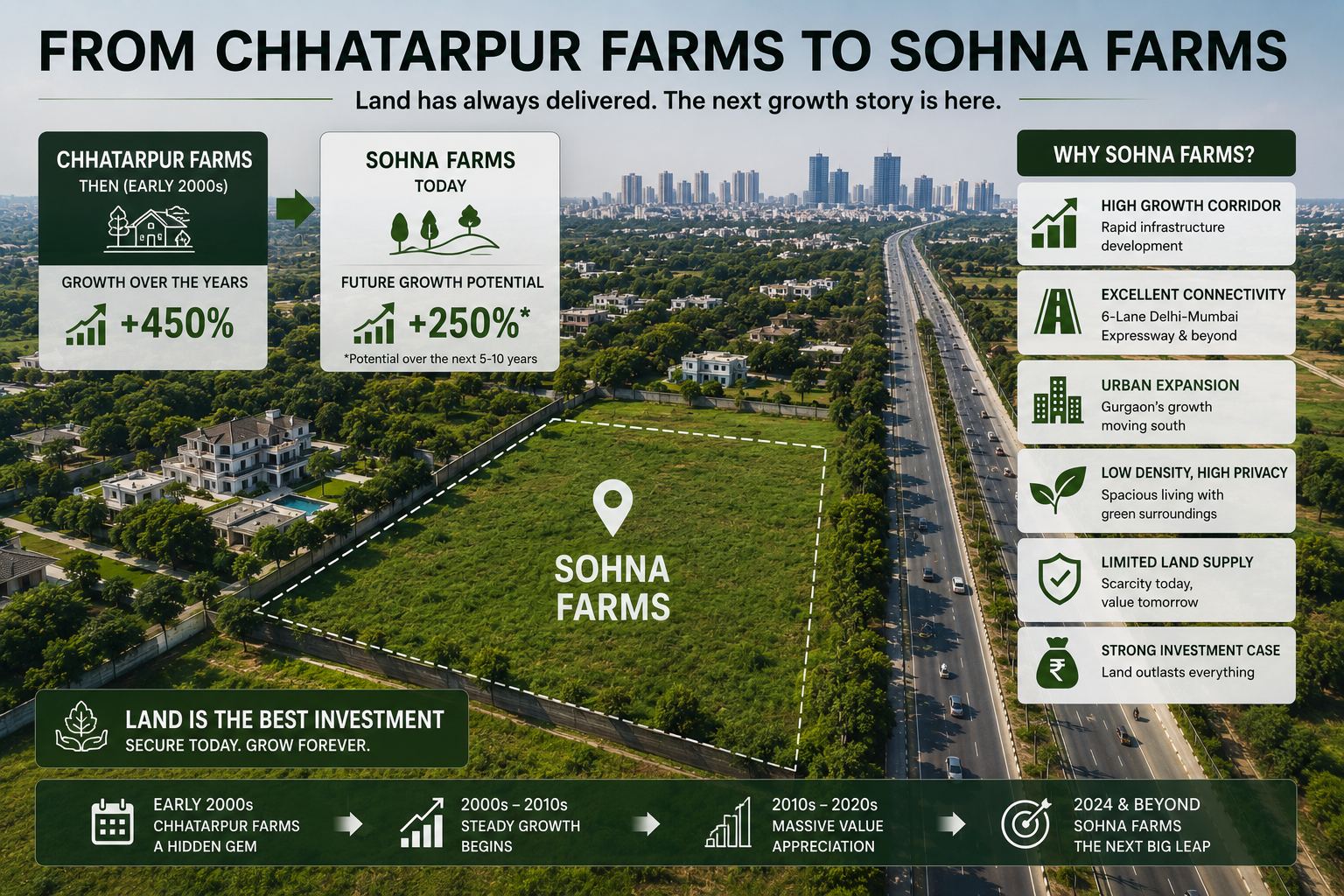
Is Sohna Really the Next Chhatarpur?
Three decades after Chhatarpur redrew South Delhi's map for space, privacy and exclusivity, a familiar pattern is now taking shape further south, and Sohna is where the smart money is beginning to look.
How Chhatarpur Farmhouses Created Multi-Crore Wealth for Early Buyers
What a quiet corner of South Delhi can teach investors about land, scarcity, and long-term wealth creation.

The ₹5 Crore Land Purchase That Became Worth ₹70 Crore
What the Story of DLF Chhatarpur Farms Reveals About Wealth Creation Through Premium Land Ownership
One short email. Stories you can use.
A free, occasional email from our editorial team with our latest features, explainers and reads. Unsubscribe any time — your email stays with us.