British Retailers Navigate a Precarious Consumer Landscape
Persistent inflationary pressures and a cautious consumer sentiment are forcing UK retailers to recalibrate strategies, testing the resilience of established brands and the agility of digital challengers alike.

A recent visit to a Tesco Express in central London revealed shelves fully stocked, yet footfall appeared subdued on an otherwise busy Tuesday afternoon. This observation, though anecdotal, encapsulates a broader narrative unfolding across the British retail sector. Despite the apparent return to pre-pandemic normalcy in supply chains, underlying economic anxieties are reshaping how and where consumers choose to spend, making every operational decision critical for retailers, from national grocers to online fashion specialists.
The sustained pressure on household budgets, exacerbated by elevated energy costs and food prices, has fundamentally altered purchasing behaviours. Data from the Office for National Statistics indicates that retail sales volumes have remained broadly flat over recent months, even as nominal spending increases. This divergence highlights a persistent inflationary effect, where consumers are paying more for the same or even fewer goods, translating to a real-terms contraction in discretionary expenditure.
Value and Convenience Ascend
In this environment, value propositions are gaining significant traction. Supermarket giants like Sainsbury's and Tesco have reported robust sales, often attributing growth to their own-brand ranges and loyalty programmes. These initiatives are designed to retain price-sensitive customers who might otherwise gravitate towards discounters. Likewise, the quick commerce sector, represented by Deliveroo and Just Eat, continues to see demand, particularly for convenience, suggesting that while consumers are careful with large purchases, immediate gratification for smaller items remains a priority.
However, maintaining profitability in a high-inflation, low-growth market presents a considerable challenge. Retailers face rising operational costs, from wages to logistics, which cannot always be fully passed on to a price-sensitive customer base without risking volume declines. This squeeze on margins necessitates a rigorous focus on efficiency and supply chain optimisation.
The mid-market apparel sector offers a stark illustration of these pressures. While Next has demonstrated remarkable resilience through shrewd inventory management and a diverse product offering, ASOS has faced a more turbulent period. Its reliance on a younger, often more budget-constrained demographic, coupled with operational complexities, underscores the volatility of the online fashion segment when consumer spending tightens.
The current retail environment necessitates a deep understanding of customer segmentation; a blanket strategy risks alienating either value-seekers or those still willing to pay a premium for quality and experience.
Strategic Adaptations for Longevity
Established entities such as Marks & Spencer are navigating this landscape by refining their physical store footprint and enhancing their online capabilities. Their strategy of merging food and clothing offerings in prime locations, alongside a greater emphasis on digital fulfilment, aims to leverage brand loyalty while adapting to evolving shopping patterns. The success of their food division, often perceived as a premium offering, highlights that quality and convenience can still command a price when aligned with consumer needs.
The grocery delivery platform Ocado, despite its innovative technological edge, also reflects the broader market's complexities. While its joint venture with Marks & Spencer has gained market share, the path to sustained profitability in the online grocery space remains an ongoing operational and logistical puzzle, further complicated by the fluctuating basket sizes typical of an inflationary period.
Ultimately, the British retail sector is undergoing a profound recalibration. Success in this environment will likely be determined not just by price competitiveness, but by the ability to offer compelling value across different customer touchpoints, manage costs with precision, and adapt swiftly to economic shifts. The coming quarters will undoubtedly test the strategic acumen of the nation's leading retailers.
News Legacy maintains editorial independence. Some recommendations may contain affiliate links. We earn from qualifying purchases at no additional cost to you. Read our policy.
Read Next
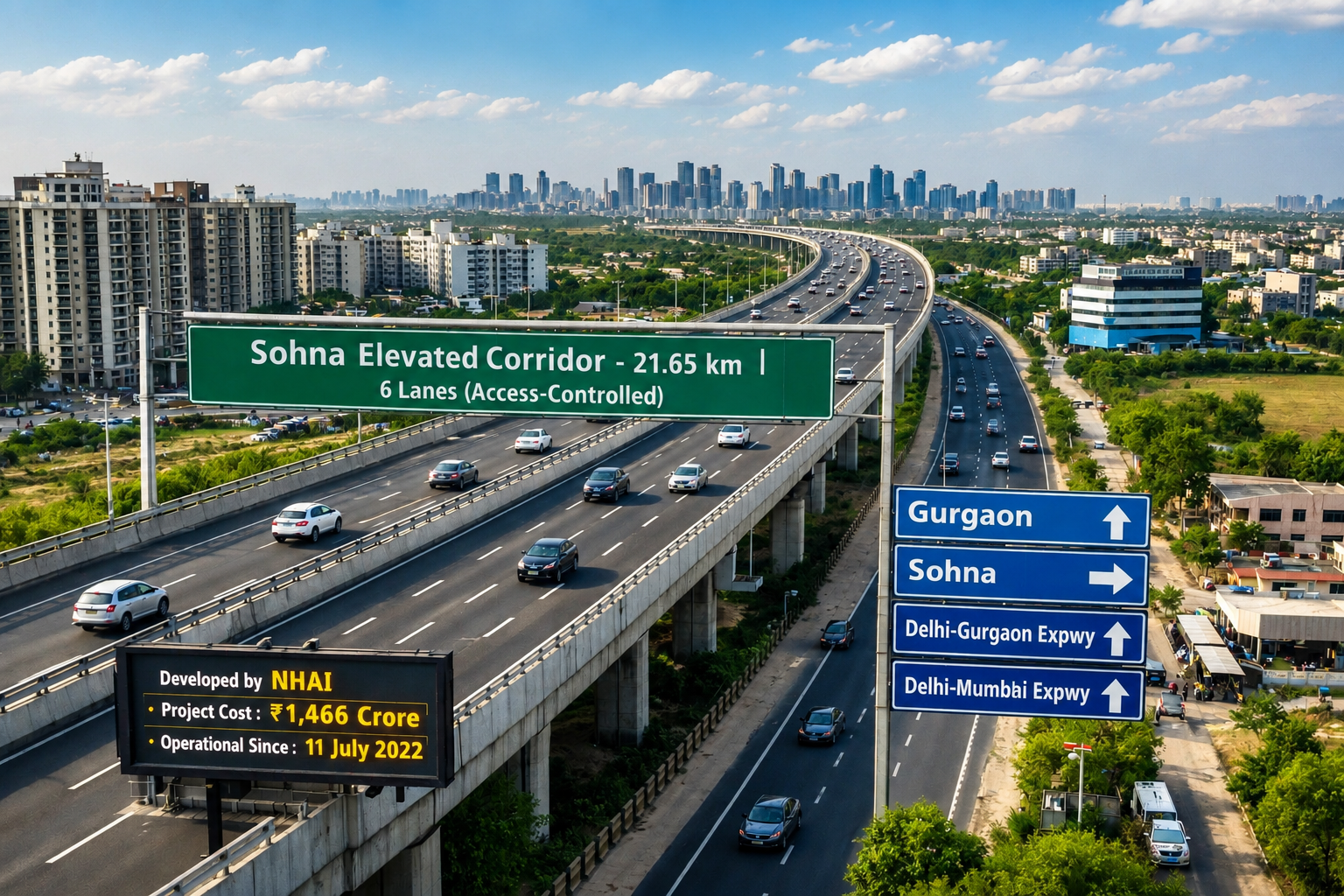
Is Sohna Really the Next Chhatarpur?
Three decades after Chhatarpur redrew South Delhi's map for space, privacy and exclusivity, a familiar pattern is now taking shape further south, and Sohna is where the smart money is beginning to look.
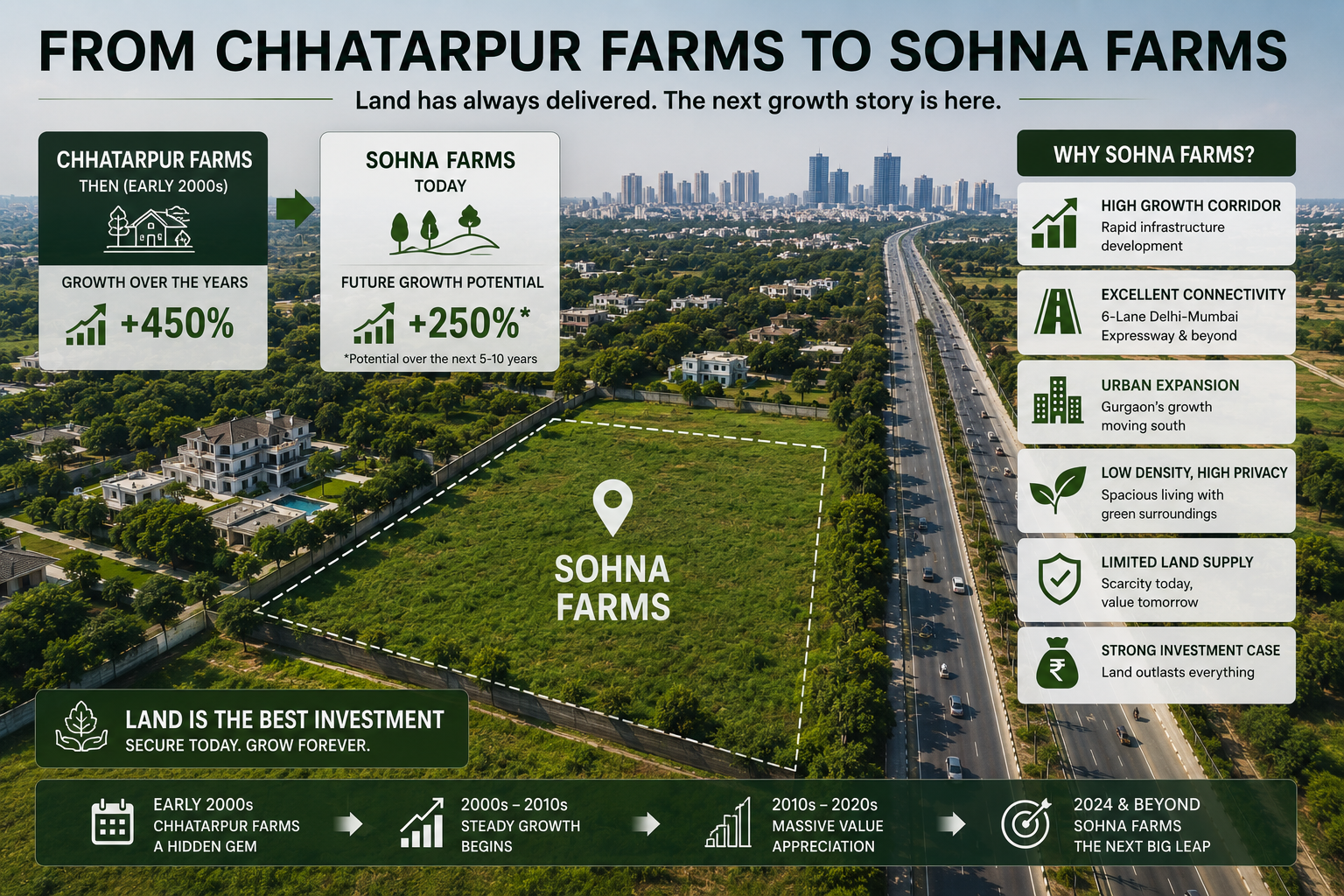
How Chhatarpur Farmhouses Created Multi-Crore Wealth for Early Buyers
What a quiet corner of South Delhi can teach investors about land, scarcity, and long-term wealth creation.
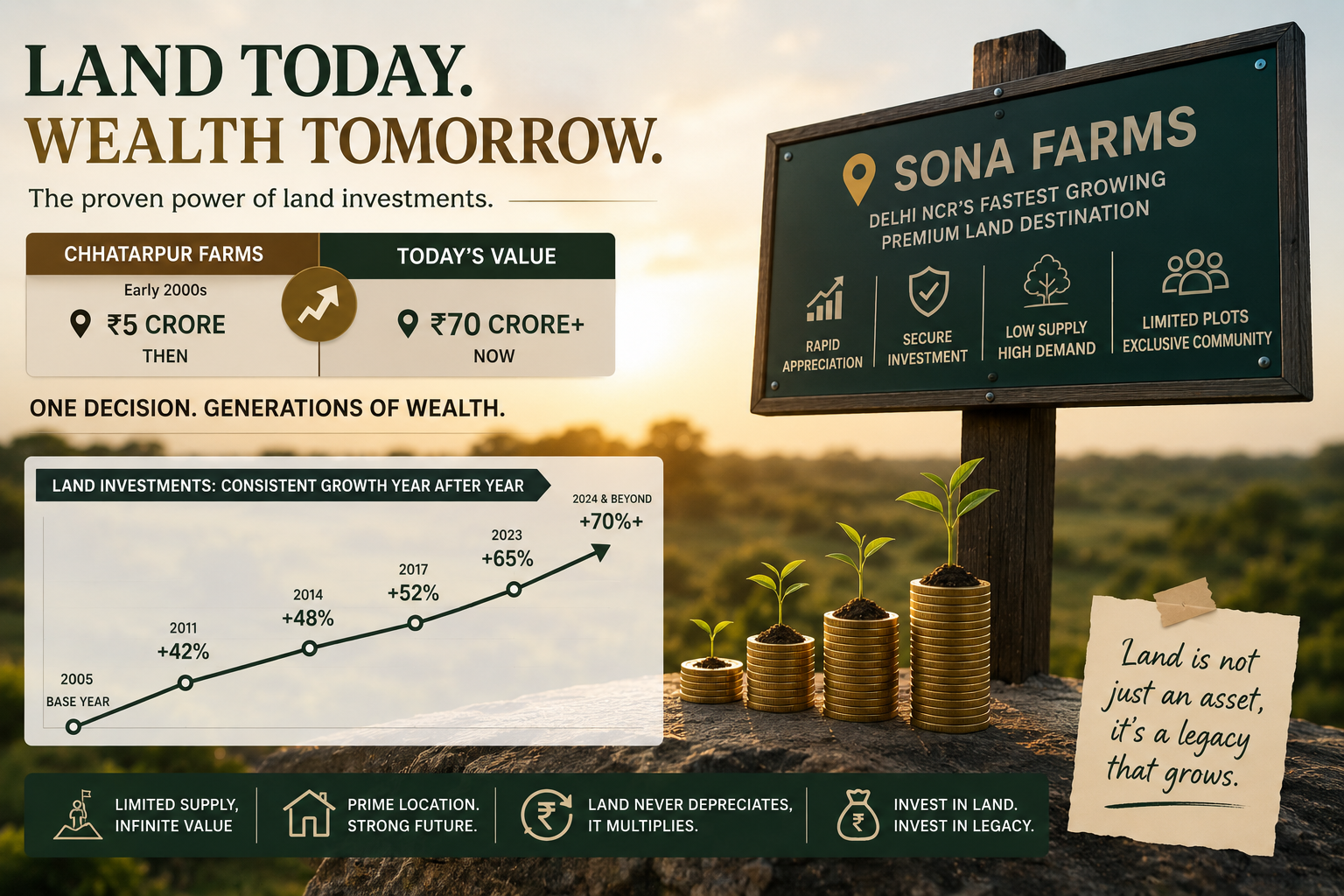
The ₹5 Crore Land Purchase That Became Worth ₹70 Crore
What the Story of DLF Chhatarpur Farms Reveals About Wealth Creation Through Premium Land Ownership
One short email. Stories you can use.
A free, occasional email from our editorial team with our latest features, explainers and reads. Unsubscribe any time — your email stays with us.