Cashback under Compression: British Retailers Re-engineer the Economics of Referral
Faced with persistent margin pressure, high-street stalwarts and delivery platforms are curtailing blanket affiliate commissions in favour of tightly targeted customer-acquisition models.

Inside the digital marketing operations of Next and Marks & Spencer, referral spreadsheets are undergoing an unsparing audit. For over a decade, performance channels operated on an unwritten covenant: pay third-party affiliate networks and cashback portals a baseline commission of roughly three to six percent on completed transactions, treating the expense as an unavoidable tax on customer volume. Yet across Britain's retail sector, that calculus has inverted. As operating costs remain stubborn and cost-of-living caution curbs basket values, finance directors are demanding proof of incremental gain rather than rewarding passive conversion.
The friction is acutely visible in fashion and general merchandise. ASOS, which spent the post-pandemic boom cultivating extensive publisher partnerships, has systematically trimmed payouts to generic voucher aggregators while restructuring agreements with high-intent content platforms. Similarly, Next has diverted expenditure toward direct publisher integrations where basket composition can be monitored item by item, penalising purchases driven by discounted inventory while funding higher bounties for full-price apparel.
From blanket bounties to closed-loop scrutiny
Underpinning this retrenchment is the maturation of retailer data. The widespread deployment of first-party loyalty schemes—from Sainsbury’s Nectar ecosystem to Tesco’s Clubcard infrastructure—has granted traditional chains an unclouded view of transaction journeys. Retailers can now detect when an online customer would have completed a £60 order irrespective of an affiliate code surfaced at checkout.
Blanket attribution models rewarded portals for standing at the digital checkout till rather than shepherding a shopper to the front door.
In response, the commercial terms governing major networks such as Awin and CJ are being rewritten. Rather than accepting standard last-click attribution, merchants are inserting clawback mechanisms for returned merchandise—a critical safeguard for British apparel sellers dealing with return rates hovering near thirty percent—and differentiating payout tiers by consumer cohort. A newly acquired shopper may command a £12 acquisition bounty, whereas an existing customer generating another purchase via an aggregator earns the publisher less than one percent.
The delivery sector confronts discount cannibalisation
A parallel re-evaluation is unfolding across quick-commerce and takeaway platforms. Deliveroo and Just Eat, both under relentless pressure to demonstrate structural profitability in the United Kingdom, have substantially curbed broad consumer discount syndication. Historically, referral codes seeded across discount aggregators subsidised routine Friday evening orders for existing users. Today, commissions are tethered strictly to lapsed users or entirely new delivery addresses.
Ocado’s commercial stance demonstrates the broader pivot toward retail media convergence. By aligning affiliate spending with sponsored brand budgets funded by fast-moving consumer goods manufacturers, the online grocer is converting an external operating cost into an internal advertising engine. Brands eager for prominence within the Ocado storefront often co-fund the traffic generation, insulating the grocer from the full weight of referral fees.
The casualties of this shift are traditional voucher and discount scrapers. Cash-back platforms like TopCashback and Quidco have had to evolve from blunt rebate repositories into sophisticated media buyers, offering brand-funded takeovers, editorial curation, and closed member discounts to defend their cut. As British retail heads into another competitive trading cycle, the era of unscrutinised referral payouts has passed; merchants now treat the affiliate link not as an obligation of presence, but as an exercise in forensic yield management.
News Legacy maintains editorial independence. Some recommendations may contain affiliate links. We earn from qualifying purchases at no additional cost to you. Read our policy.
Read Next

Is Sohna Really the Next Chhatarpur?
Three decades after Chhatarpur redrew South Delhi's map for space, privacy and exclusivity, a familiar pattern is now taking shape further south, and Sohna is where the smart money is beginning to look.
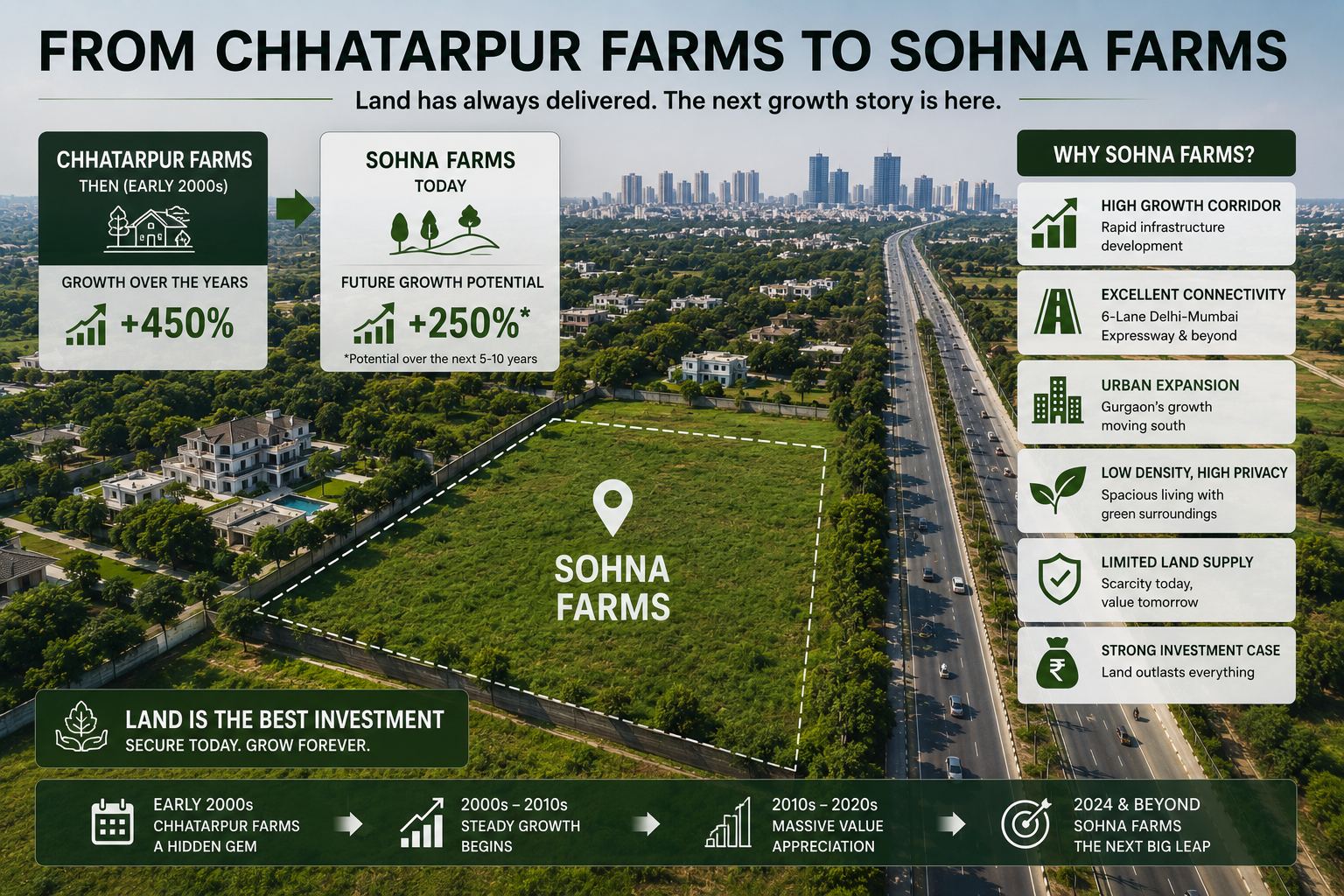
How Chhatarpur Farmhouses Created Multi-Crore Wealth for Early Buyers
What a quiet corner of South Delhi can teach investors about land, scarcity, and long-term wealth creation.

The ₹5 Crore Land Purchase That Became Worth ₹70 Crore
What the Story of DLF Chhatarpur Farms Reveals About Wealth Creation Through Premium Land Ownership
One short email. Stories you can use.
A free, occasional email from our editorial team with our latest features, explainers and reads. Unsubscribe any time — your email stays with us.