Consolidation and Capital: Europe's Retail Tech Sector Shifts Gear
After a period of rapid expansion and venture capital infusion, Europe's retail technology landscape is witnessing a strategic recalibration, driven by evolving consumer demands and tighter financial markets.

From the vast fulfilment centres of Allegro serving millions across Central Europe to the micro-hubs that once powered instant delivery services in Paris and Berlin, the continent's retail technology ecosystem has undergone significant transformation. The past half-decade saw a surge of innovation, particularly in e-commerce infrastructure, last-mile logistics, and customer engagement platforms. Now, a more mature phase is emerging, characterised by strategic acquisitions and a renewed focus on profitability over market share.
Companies like Zalando and Vinted, once perceived as agile disruptors, now represent established benchmarks for scale and user engagement within their respective niches. Their success has, in part, fuelled a proliferation of smaller players aiming to carve out market segments in everything from sustainable fashion marketplaces to ultra-fast grocery delivery. However, the capital required to sustain such growth, particularly in a high-burn sector like logistics, has become increasingly scarce.
The Pressure Cooker of Last-Mile Delivery
The rapid grocery delivery segment, exemplified by the early meteoric rise and subsequent struggles of players like Gorillas and Flink, illustrates this shift starkly. Initially flush with venture capital, these companies promised immediate gratification to urban consumers across Germany, France, and Spain. They invested heavily in dark stores and rider fleets, often outcompeting traditional supermarkets like Carrefour or REWE on speed, if not always on price or profitability.
This capital-intensive model proved unsustainable as interest rates climbed and investor appetite for speculative, loss-making ventures waned. We have observed a significant contraction in the number of active players and a pivot towards more efficient, albeit less instant, delivery models. Some have integrated with larger grocery chains, while others have significantly scaled back their geographic footprints or altered their service offerings.
Cross-border e-commerce, while a significant growth driver, presents its own set of complexities. A consumer in Milan browsing a German fashion retailer or a Polish shopper ordering from a Spanish homewares brand navigates a fragmented regulatory and logistical environment. Platforms like Bol.com in the Netherlands or Cdiscount in France demonstrate robust domestic operations but face heightened competition when attempting to extend their reach into adjacent markets, encountering local champions with established brand loyalty and bespoke fulfilment networks.
The European retail tech sector is moving from a gold rush mentality to a more discerning approach, where unit economics and operational efficiency are paramount.
Traditional retail behemoths, including Lidl and Carrefour, have not remained static. They have channelled significant investment into digital transformation, expanding their online presence, improving click-and-collect options, and even experimenting with autonomous delivery solutions. Their vast physical footprints, often seen as a liability in the early days of e-commerce, are now being leveraged as strategic assets for omnichannel fulfilment and customer convenience.
The trajectory for retail startups in Europe appears to be bifurcating. Those with genuinely innovative, scalable technology solutions that address clear market inefficiencies continue to attract investment, albeit under stricter terms. Conversely, companies relying on aggressive customer acquisition through unsustainable discounting, or those operating in highly commoditised sectors without a distinct technological edge, face significant pressure to consolidate or exit the market. The next phase will likely see fewer, but more resilient and strategically integrated, players shaping the future of European commerce.
News Legacy maintains editorial independence. Some recommendations may contain affiliate links. We earn from qualifying purchases at no additional cost to you. Read our policy.
Read Next

Is Sohna Really the Next Chhatarpur?
Three decades after Chhatarpur redrew South Delhi's map for space, privacy and exclusivity, a familiar pattern is now taking shape further south, and Sohna is where the smart money is beginning to look.
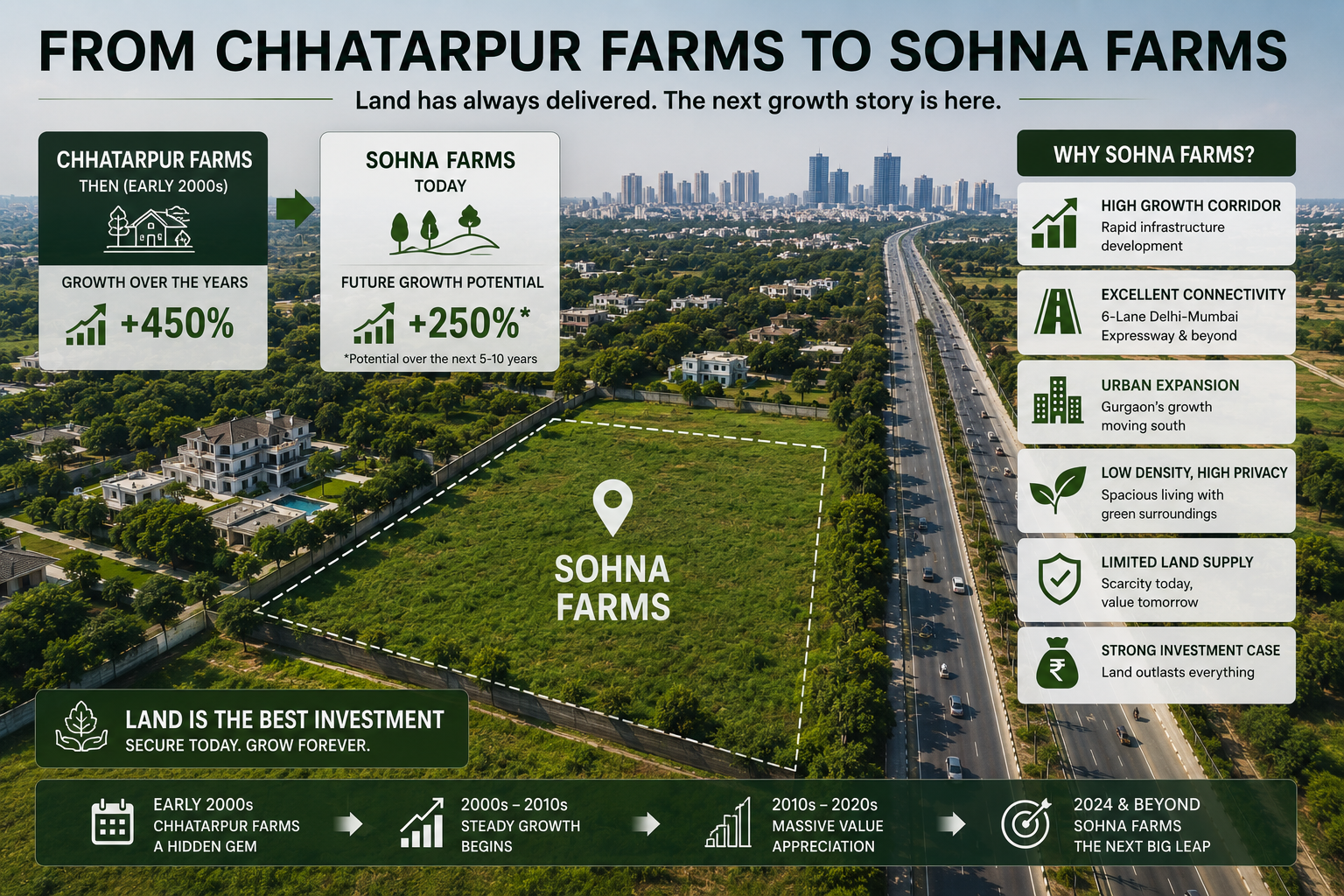
How Chhatarpur Farmhouses Created Multi-Crore Wealth for Early Buyers
What a quiet corner of South Delhi can teach investors about land, scarcity, and long-term wealth creation.
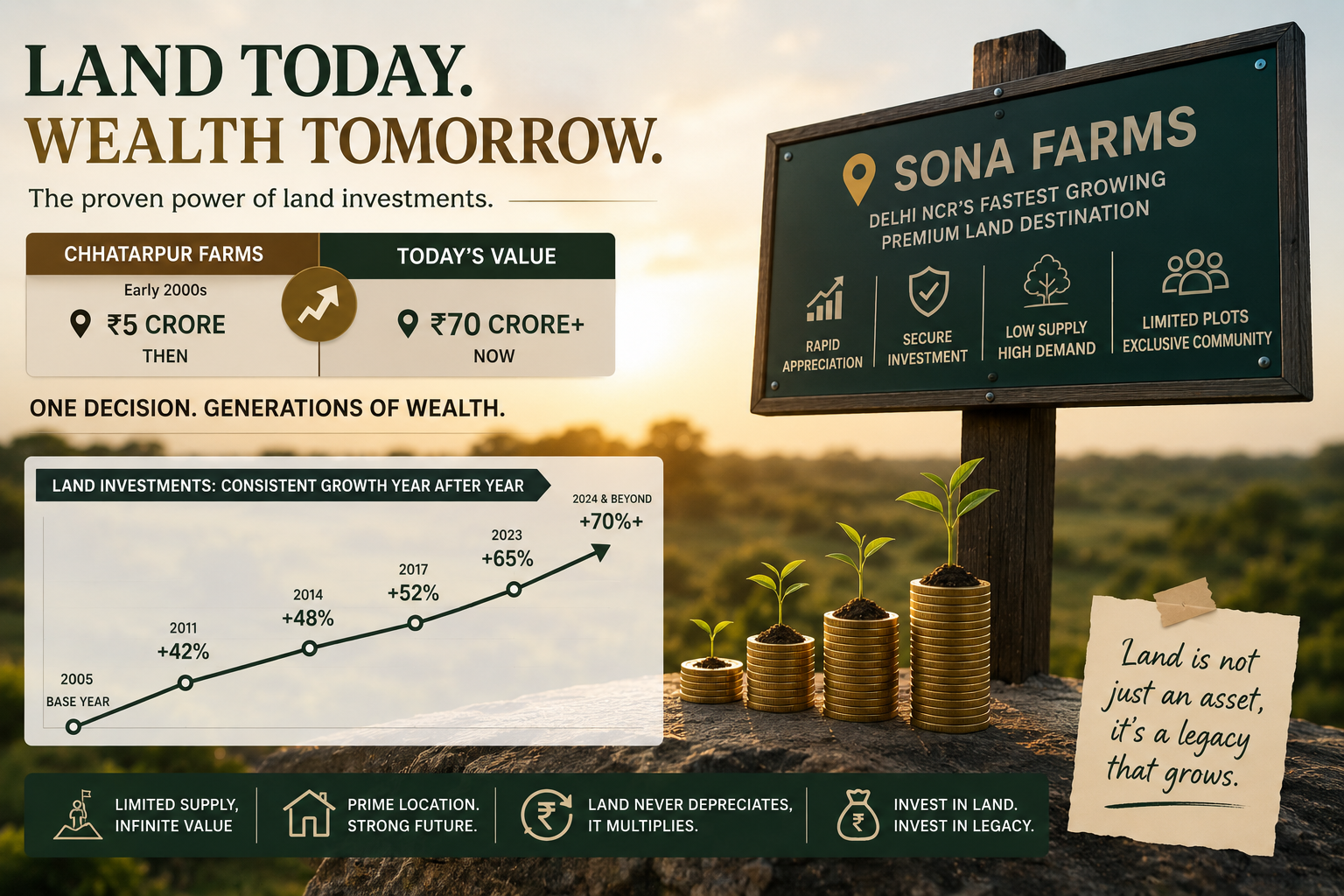
The ₹5 Crore Land Purchase That Became Worth ₹70 Crore
What the Story of DLF Chhatarpur Farms Reveals About Wealth Creation Through Premium Land Ownership
One short email. Stories you can use.
A free, occasional email from our editorial team with our latest features, explainers and reads. Unsubscribe any time — your email stays with us.