Consolidation and Niche Dominance: The Evolving European Marketplace Tapestry
Europe's digital marketplaces are navigating a complex landscape of regulatory scrutiny, intense competition, and divergent consumer preferences, forcing a strategic recalibration for established giants and agile newcomers alike.

From its headquarters in Berlin, Zalando, once a disruptor in fashion e-commerce, is confronting a market that has matured rapidly. While its gross merchandise volume continues to grow, the path to sustained profitability is increasingly complex amidst macroeconomic headwinds and the burgeoning influence of both global and hyper-local competitors. This dynamic illustrates a broader trend impacting digital retail across the European Union.
The continent’s marketplace sector, valued in the hundreds of billions of euros, presents a mosaic of national champions and cross-border aspirants. Companies like Poland's Allegro command significant domestic market share, while Bol.com thrives in the Benelux region. However, the ambition to replicate such dominance across diverse linguistic and regulatory zones has proven challenging for many.
The Cross-Border Conundrum
Navigating the fragmentation of European consumer habits and legal frameworks remains a formidable barrier. A French consumer's expectations for delivery and returns may differ considerably from those in Germany or Spain. This regional variation has historically favoured national incumbents or specialised players like Vinted, which found success by tapping into a specific, cross-border affinity for second-hand fashion, rather than attempting to be an everything-store.
Larger entities, including traditional retailers like Carrefour and REWE, have increasingly leveraged their physical footprint to launch online marketplaces, blurring the lines between pure-play e-commerce and omnichannel retail. Lidl's digital expansion, for instance, represents a direct challenge to established online generalists, leveraging an existing powerful brand and logistics network.
The much-hyped rapid grocery delivery sector, exemplified by the substantial, albeit ultimately unsuccessful, investment in platforms like Gorillas and Flink, underscored the perils of aggressive expansion without a clear path to profitability. These ventures burnt through significant capital in a race for market share that ultimately proved unsustainable, leading to consolidation and strategic retreats across major European cities.
Niche Ascendancy and Regulatory Scrutiny
Specialised marketplaces, particularly those in niche categories or with strong community elements, continue to demonstrate resilience. The success of platforms focusing on specific product verticals or circular economy models suggests that deeper engagement, rather than sheer breadth of catalogue, can be a more sustainable growth vector in an increasingly crowded market.
Regulatory bodies within the EU, meanwhile, are taking a more assertive stance on digital market power. The Digital Markets Act (DMA) specifically targets large 'gatekeepers', including major online marketplaces, with provisions designed to foster fairer competition and provide greater choice for businesses and consumers. This legislative environment necessitates a strategic re-evaluation for platform operators across the continent.
The era of unbridled, capital-intensive expansion across all categories in every market may be giving way to a more disciplined pursuit of sustainable value and a deeper understanding of regional consumer needs.
As the sector matures, the strategic imperatives for European marketplaces are shifting from simply acquiring users to retaining them through differentiated services, ethical practices, and an acute understanding of the diverse consumer base spanning from Lisbon to Warsaw. The future likely involves a blend of consolidation among generalists and continued innovation within specialised niches, all under the watchful eye of a proactive regulatory framework.
News Legacy maintains editorial independence. Some recommendations may contain affiliate links. We earn from qualifying purchases at no additional cost to you. Read our policy.
Read Next

Is Sohna Really the Next Chhatarpur?
Three decades after Chhatarpur redrew South Delhi's map for space, privacy and exclusivity, a familiar pattern is now taking shape further south, and Sohna is where the smart money is beginning to look.
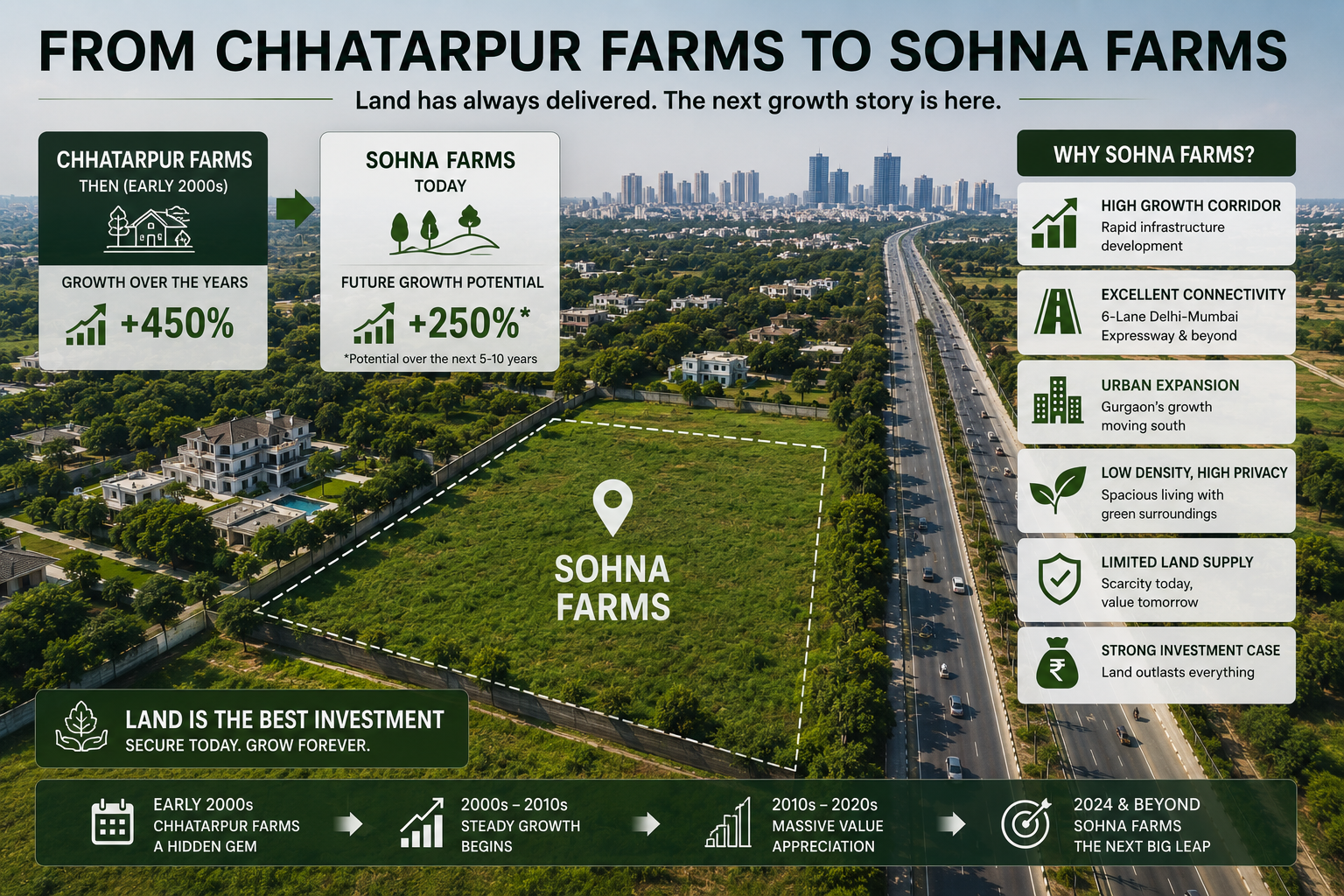
How Chhatarpur Farmhouses Created Multi-Crore Wealth for Early Buyers
What a quiet corner of South Delhi can teach investors about land, scarcity, and long-term wealth creation.
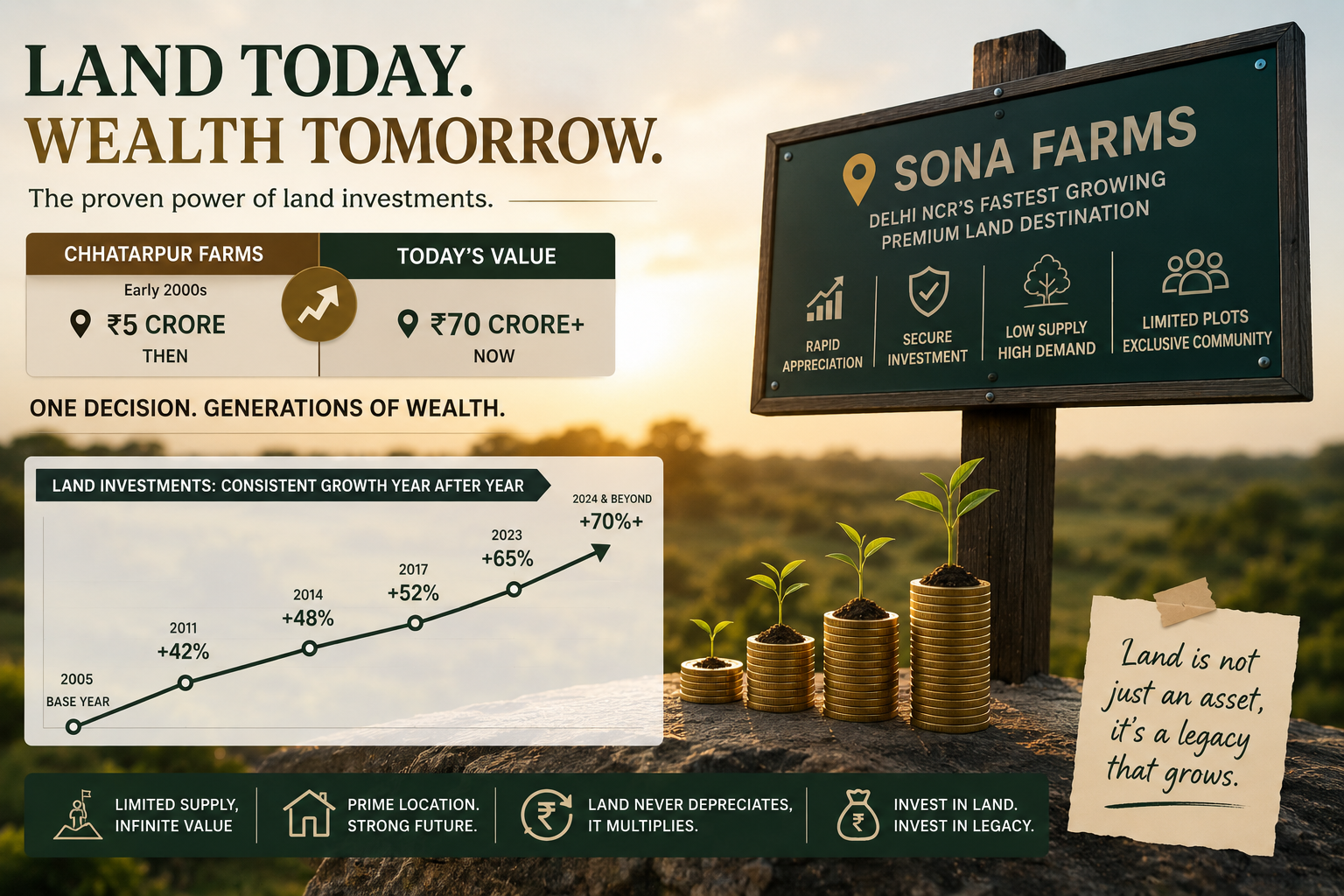
The ₹5 Crore Land Purchase That Became Worth ₹70 Crore
What the Story of DLF Chhatarpur Farms Reveals About Wealth Creation Through Premium Land Ownership
One short email. Stories you can use.
A free, occasional email from our editorial team with our latest features, explainers and reads. Unsubscribe any time — your email stays with us.