Continental Currents: Europe's Retailers Navigate a Fragmented Digital Future
Across Europe, retailers are confronting distinct national preferences and varied digital maturity levels, forcing nuanced strategies in a market often viewed as a monolith by external observers.

The distinctive orange and white livery of Bol.com, ubiquitous in the Netherlands and Belgium, stands in stark contrast to the dominant green of Zalando, a household name from Berlin to Barcelona. These regional champions illustrate a fundamental truth about the European retail landscape: despite the bloc's economic integration, consumer behaviour and market structures remain stubbornly fragmented, presenting both opportunities and persistent challenges for both legacy incumbents and digital natives.
While Amazon continues to grow its footprint, its market share across the continent is not uniformly dominant. Local and regional players frequently command significant loyalty and transaction volume, leveraging cultural understanding, supply chain proximity, or specialist category depth. This dynamic creates a complex mosaic where pan-European strategies often require significant adaptation, rather than simple replication.
The Enduring Power of Local Platforms
In Poland, Allegro maintains its strong position against global competitors, having carved out a niche built on local trust and an extensive network of sellers. Similarly, France's Cdiscount continues to hold sway in its home market, even as giants like Carrefour invest heavily in their own e-commerce capabilities, often through partnerships with rapid delivery services, as seen with their past collaborations with players like Flink or Gorillas in urban centres. The success of these regional behemoths underscores the value consumers place on platforms that understand their specific needs and local logistics.
This emphasis on domestic operations extends beyond pure e-commerce platforms. Supermarket chains such as Germany's REWE Group and the Schwarz Group (Lidl, Kaufland) have invested substantially in their digital presence and delivery infrastructure. Their strategies often involve hyper-localised offerings, understanding that a French shopper's preference for fresh produce delivery might differ significantly from a Nordic consumer's expectations for frozen goods or household staples.
Cross-border e-commerce within the EU, while facilitated by single market rules, still encounters friction. Differences in payment preferences, returns policies, and language remain significant hurdles. For instance, a Spanish consumer might favour a cash-on-delivery option that is less prevalent in Germany, while Italian buyers often prioritise specific luxury brands that require tailored fulfilment experiences.
The rise of recommerce platforms like Lithuania-born Vinted further complicates the picture. With operations now spanning multiple European countries, Vinted demonstrates that certain consumer behaviours – particularly around sustainability and value – transcend national borders, even if the execution and marketing must still be localised. Its growth trajectory provides a template for how a platform can scale across disparate markets by identifying a universal unmet need.
The fragmented nature of European retail, while complex, fosters innovation and resilience, often forcing businesses to be more attuned to specific customer segments than in more homogeneous markets.
Investment in digital infrastructure and last-mile delivery remains a key battleground. While some earlier 'dark store' models struggled for profitability, the underlying demand for convenience persists. Retailers are now refining these approaches, integrating them more seamlessly with existing store networks or optimising hub-and-spoke models to serve dense urban populations more efficiently. The profitability equation, particularly for smaller basket sizes, remains a central challenge.
As the continent looks ahead, the success of retail entities will increasingly hinge on their ability to weave together a coherent digital strategy with an acute understanding of regional nuances. This involves not just technological prowess but also cultural sensitivity, adaptable supply chains, and a willingness to invest in tailored customer experiences, rather than relying on a one-size-fits-all approach across the euro area.
News Legacy maintains editorial independence. Some recommendations may contain affiliate links. We earn from qualifying purchases at no additional cost to you. Read our policy.
Read Next

Is Sohna Really the Next Chhatarpur?
Three decades after Chhatarpur redrew South Delhi's map for space, privacy and exclusivity, a familiar pattern is now taking shape further south, and Sohna is where the smart money is beginning to look.
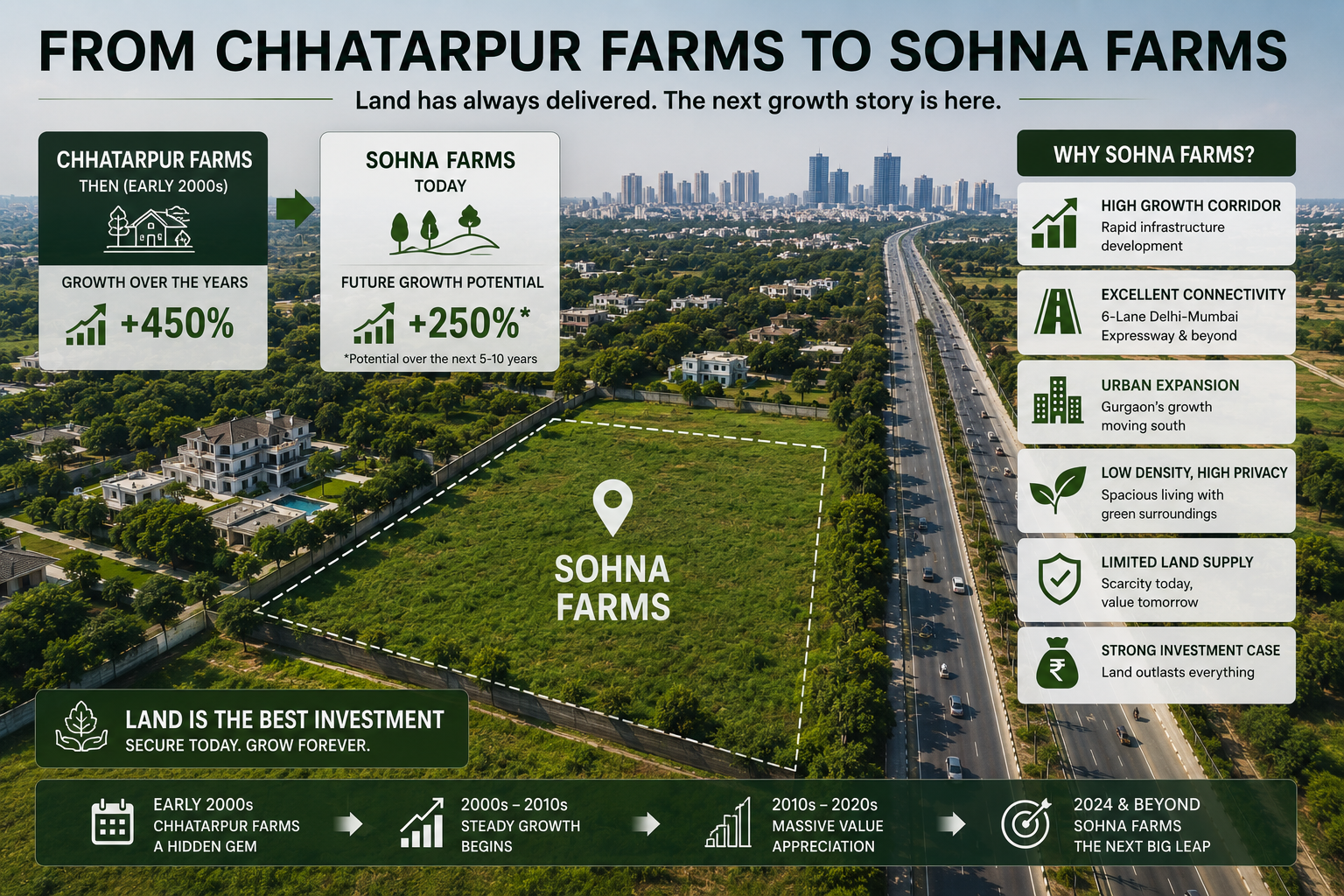
How Chhatarpur Farmhouses Created Multi-Crore Wealth for Early Buyers
What a quiet corner of South Delhi can teach investors about land, scarcity, and long-term wealth creation.
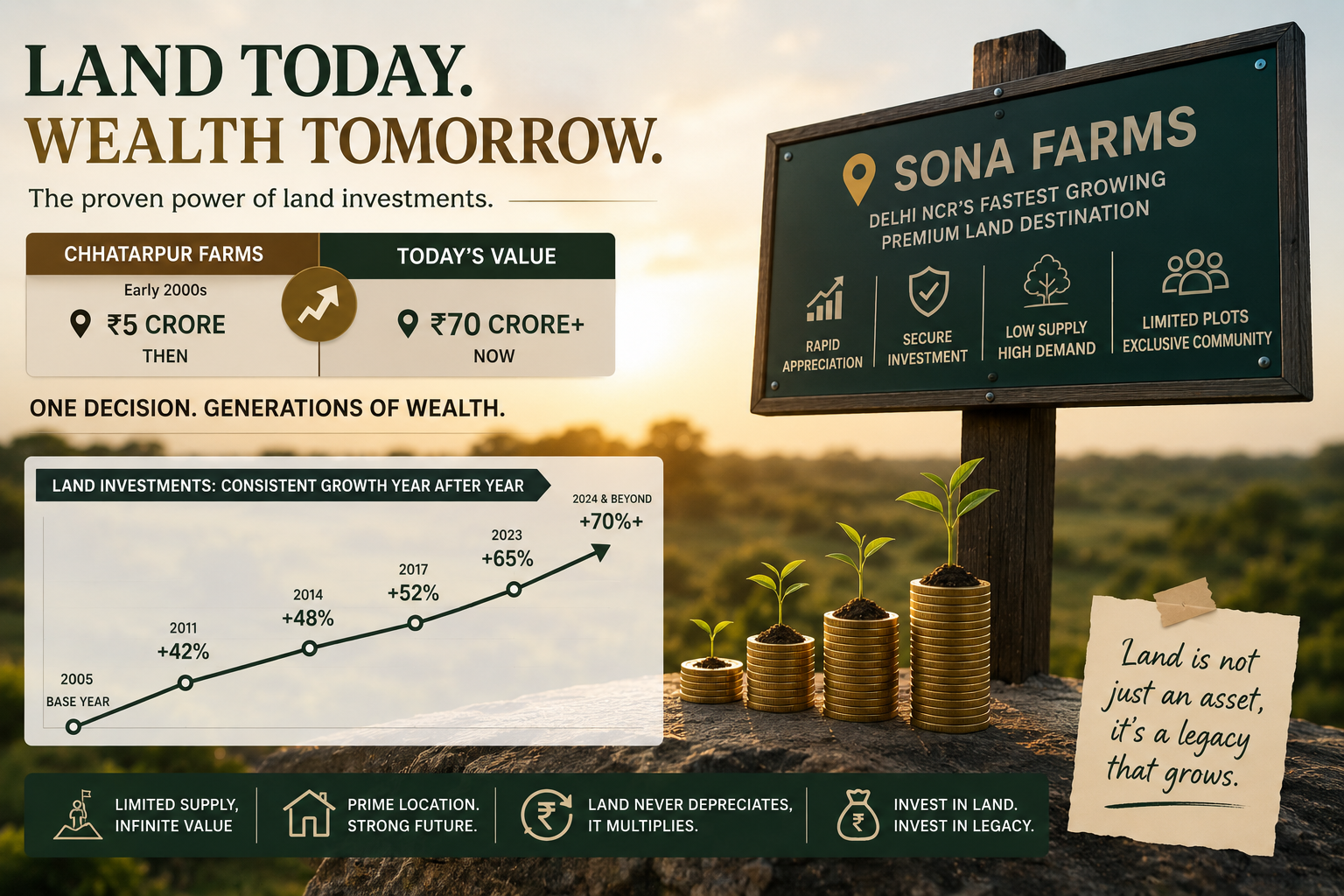
The ₹5 Crore Land Purchase That Became Worth ₹70 Crore
What the Story of DLF Chhatarpur Farms Reveals About Wealth Creation Through Premium Land Ownership
One short email. Stories you can use.
A free, occasional email from our editorial team with our latest features, explainers and reads. Unsubscribe any time — your email stays with us.