Continental Disruption: The Enduring Challenge for Europe's DTC Aspirants
European direct-to-consumer brands face formidable headwinds, navigating fragmented logistics, diverse consumer preferences, and entrenched local incumbents in a quest for scalable growth.

The brightly coloured delivery bags of what was once Gorillas, now absorbed by Getir, served as a stark, if temporary, visual metaphor for the ambitions and subsequent contractions within Europe's direct-to-consumer (DTC) ecosystem. Across the continent, from fashion to fresh groceries, the promise of bypassing traditional retail channels to forge direct relationships with consumers once drove substantial investment. However, the operational complexities of regional expansion, coupled with a more discerning capital market, have tempered this initial exuberance, revealing a landscape far more nuanced than many start-ups initially anticipated.
While the North American DTC playbook often relies on a relatively homogenous market, Europe presents a patchwork of languages, regulatory frameworks, payment preferences, and deeply ingrained retail habits. A brand's successful entry in France, for instance, offers little guarantee of similar traction in Germany or Poland. This fragmentation demands bespoke strategies and significant capital outlays for localisation, often eroding the very margin advantages DTC models inherently seek.
Local Heroes and Cross-Border Hurdles
Incumbent e-commerce giants and traditional retailers are not passive observers in this shift. Platforms like Zalando maintain strong footholds in fashion, while Bol.com dominates in the Benelux region and Allegro holds sway in Poland. Even grocers such as Carrefour, REWE, and Lidl are making significant strides in their digital transformations, particularly in last-mile delivery, directly competing with the agility of newer pure-play DTC entrants. The challenge for smaller brands lies not just in acquiring customers, but in providing a logistical experience that rivals these established networks.
Consider the varied supply chain demands across the continent. Shipping from a central warehouse in Germany to customers in Spain and Sweden necessitates navigating distinct customs procedures, various last-mile carriers, and differing consumer expectations regarding delivery speed and returns. This operational heavy lifting often requires DTC brands to partner with third-party logistics (3PL) providers, introducing additional costs and potentially diluting direct brand control over the customer experience. This is a primary impediment to achieving pan-European scale.
The allure of direct customer relationships and higher margins often overlooks the sheer friction of continental European logistics and cultural idiosyncrasies.
Moreover, consumer preferences vary significantly. A fashion aesthetic popular in Paris may struggle for resonance in Milan or Copenhagen. Similarly, marketing messages that perform well in Italian might fall flat in Dutch. Vinted, a Lithuanian-founded platform for second-hand fashion, has demonstrated successful cross-border scaling by diligently adapting its offering and marketing to local markets, though its marketplace model differs from single-brand DTCs. This points to the necessity of deep market understanding, rather than a one-size-fits-all approach.
Capital Realities and Strategic Pivots
The recent shift in capital markets has further scrutinised the economics of DTC. Valuations are no longer solely driven by growth at all costs; profitability and sustainable unit economics have become paramount. This forces many brands to re-evaluate their expansion plans, prioritising specific regions or even re-integrating physical storefronts to complement online operations, thereby blurring the lines with traditional retail once more. The initial promise of hyper-efficient digital acquisition has, for many, given way to a more complex, multi-channel reality.
European DTC brands in sectors ranging from artisanal food products to sustainable home goods continue to emerge, often finding success within specific national markets or niche communities. Their long-term viability, however, hinges on their ability to either achieve significant scale within these fragments or meticulously craft a cross-border strategy that respects, rather than ignores, the continent's inherent diversity. The days of simply replicating a successful formula across borders appear to be drawing to a close, replaced by a more sober assessment of the tangible costs of continental reach, often measured in millions of euros for market entry and sustained operation.
News Legacy maintains editorial independence. Some recommendations may contain affiliate links. We earn from qualifying purchases at no additional cost to you. Read our policy.
Read Next

Is Sohna Really the Next Chhatarpur?
Three decades after Chhatarpur redrew South Delhi's map for space, privacy and exclusivity, a familiar pattern is now taking shape further south, and Sohna is where the smart money is beginning to look.
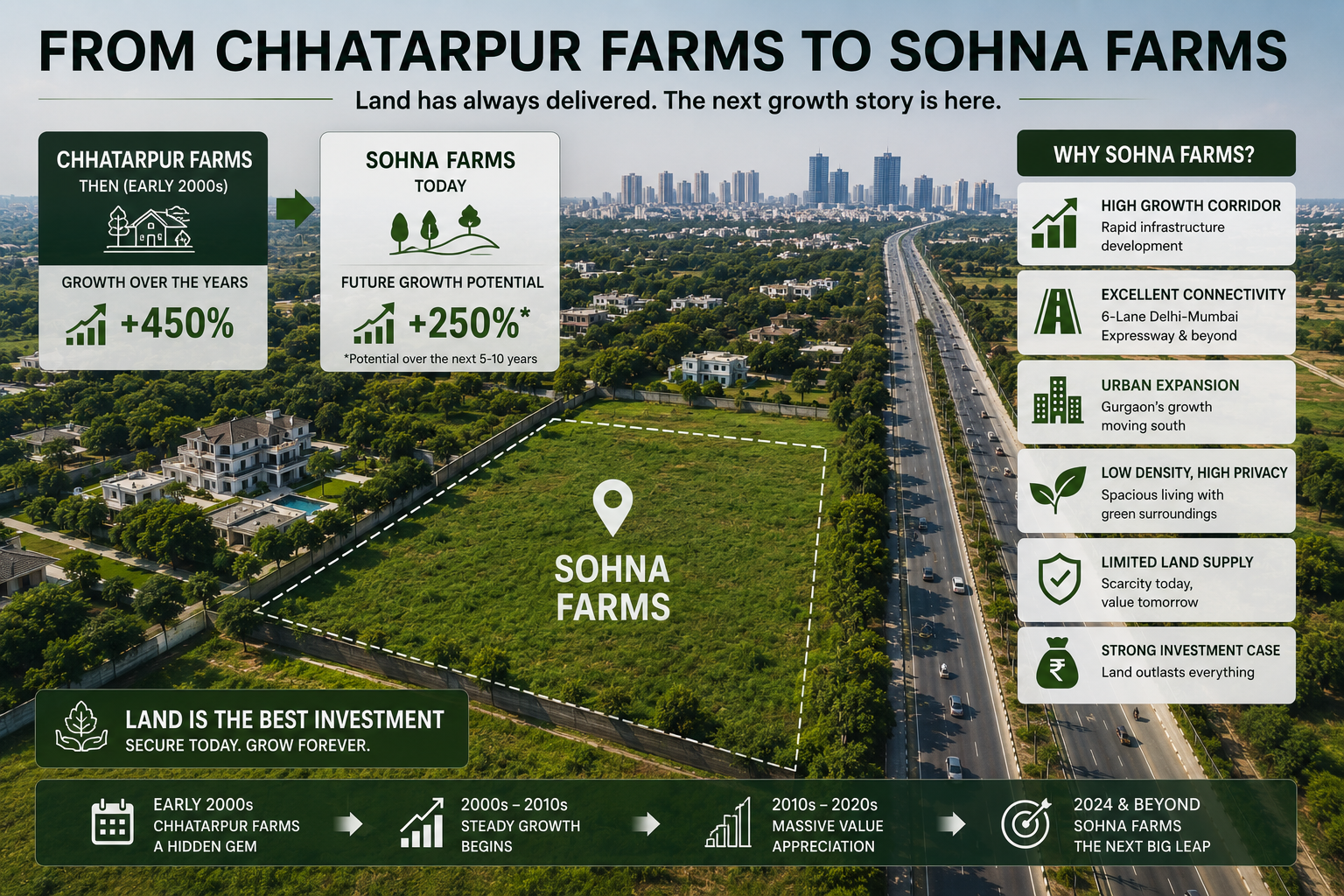
How Chhatarpur Farmhouses Created Multi-Crore Wealth for Early Buyers
What a quiet corner of South Delhi can teach investors about land, scarcity, and long-term wealth creation.
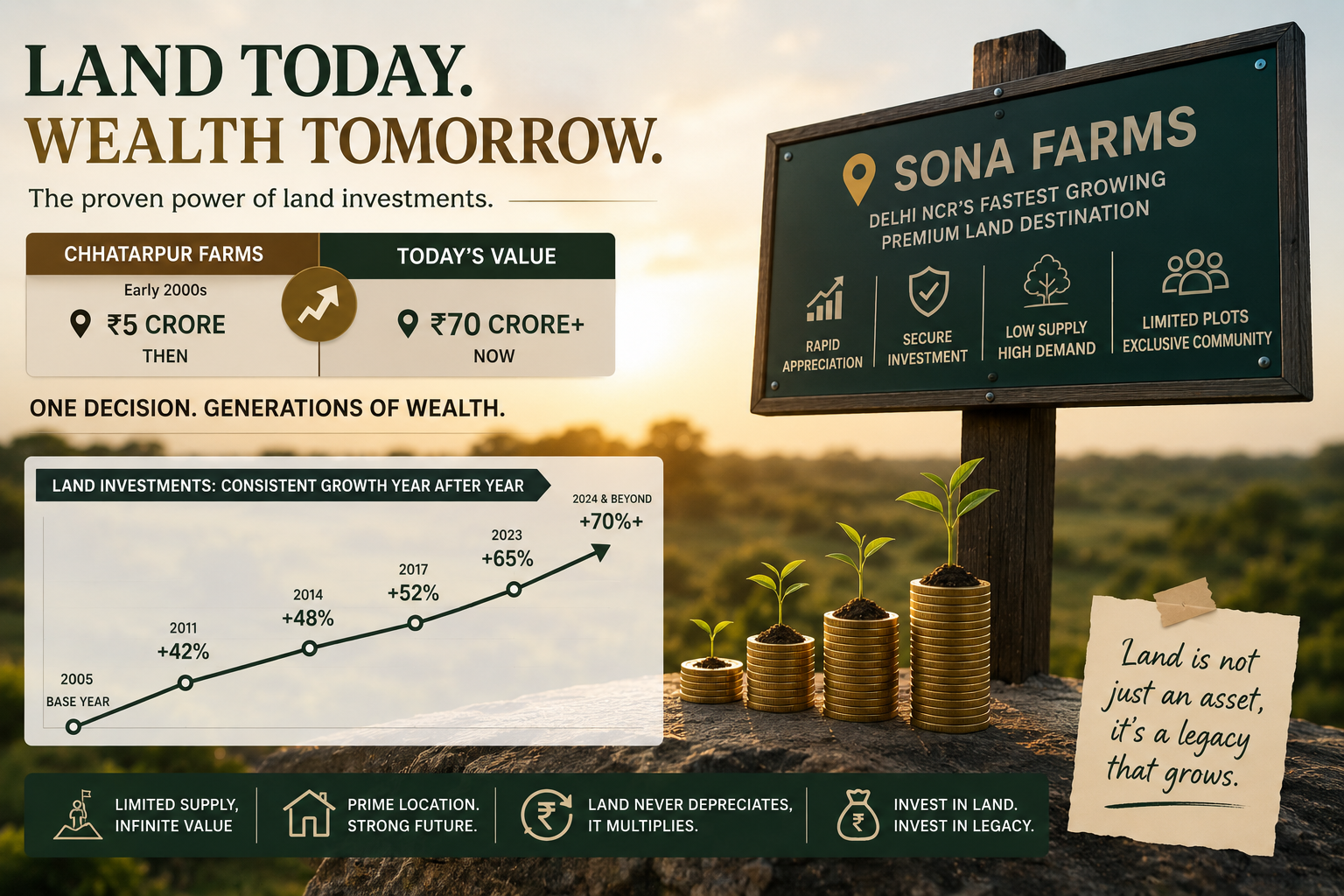
The ₹5 Crore Land Purchase That Became Worth ₹70 Crore
What the Story of DLF Chhatarpur Farms Reveals About Wealth Creation Through Premium Land Ownership
One short email. Stories you can use.
A free, occasional email from our editorial team with our latest features, explainers and reads. Unsubscribe any time — your email stays with us.