Continental Drift: Europe's E-commerce Landscape Fractures Amid Economic Headwinds
European digital retail faces a challenging new era. Inflationary pressures and evolving consumer habits are exacerbating historical market fragmentation, pushing established players and agile newcomers to recalibrate their continental ambitions.

The recent financial struggles at Berlin-based Flink, culminating in significant layoffs and a stalled ambition for broader European market dominance in rapid grocery delivery, underscore a pivotal shift in Europe's e-commerce trajectory. What once appeared as a simple narrative of digital ascendancy and borderless commerce is now revealing itself as a complex interplay of national peculiarities, regulatory hurdles, and acute economic pressures. The heady days of aggressive market entry and valuation growth are giving way to a more sober assessment of profitability and sustainable expansion.
Across the continent, from Spain's competitive fresh produce markets to Poland's burgeoning digital economy, the harmonisation predicted by early e-commerce enthusiasts remains elusive. While pan-European giants like Zalando achieved scale in fashion by navigating varied consumer preferences, categories such as groceries and household essentials present a formidable challenge. Local incumbents, deeply entrenched supply chains, and distinct cultural shopping norms continue to fortify national barriers against widespread cross-border disruption.
Local Heroes and Lingering Fragments
Despite the digital veneer, Europe's retail landscape remains fundamentally local. Retailers like Carrefour and REWE leverage extensive physical footprints and brand loyalty that are difficult for pure-play online entrants to replicate, especially in the capital-intensive grocery sector. Even in northern Europe, where internet penetration is high, rapid grocery delivery services like the now-defunct Gorillas learned firsthand the intricate balance of logistics, labour costs, and customer acquisition required to succeed, often failing to outcompete established supermarket delivery arms or even local corner shops.
The success of platforms like Vinted in second-hand fashion across multiple European markets suggests a clear demand for propositions that offer both value and convenience, particularly during periods of economic constraint. However, its model avoids the complexities of fresh produce or immediate gratification that plagued other venture-backed operations. This differentiation highlights that truly cross-border success often hinges on a niche where local infrastructure is less critical or where a unique value proposition can transcend national preferences.
The fragmentation of European consumer behaviours, combined with diverse regulatory frameworks, presents a persistent drag on scalable e-commerce models aiming for true continental ubiquity.
Traditional e-commerce marketplaces also illustrate this dynamic. While Amazon holds a strong position in several key markets, domestic players such as Allegro in Poland and Bol.com in the Netherlands and Belgium maintain powerful footholds by understanding and catering to local nuances, payment preferences, and merchant ecosystems. Their sustained market share against global competitors demonstrates the resilience of localised strategies, often aided by deeper trust within their respective national customer bases.
The Cost of Cross-Border Ambition
Operating across borders in Europe involves more than just translating websites. It necessitates navigating a patchwork of consumer protection laws, data privacy regulations (such as GDPR), varying tax regimes, and distinct fulfilment expectations. The logistical costs associated with shipping across different countries, especially for larger or time-sensitive goods, can significantly erode profit margins. For instance, cold chain logistics required for groceries are notoriously difficult and expensive to standardise across diverse climates and infrastructure qualities encountered from Stockholm to Sicily.
The current economic climate, characterised by persistent inflation and a slowdown in consumer spending across the Eurozone, further amplifies these challenges. Households are becoming more discerning with their purchases, prioritising value and necessities over impulse or premium offerings. This shift places increased pressure on retailers, both online and offline, to optimise their cost structures and deliver compelling price points, making cross-border scaling even more precarious if not executed with extreme precision and a deep understanding of each market's specific economic conditions.
News Legacy maintains editorial independence. Some recommendations may contain affiliate links. We earn from qualifying purchases at no additional cost to you. Read our policy.
Read Next

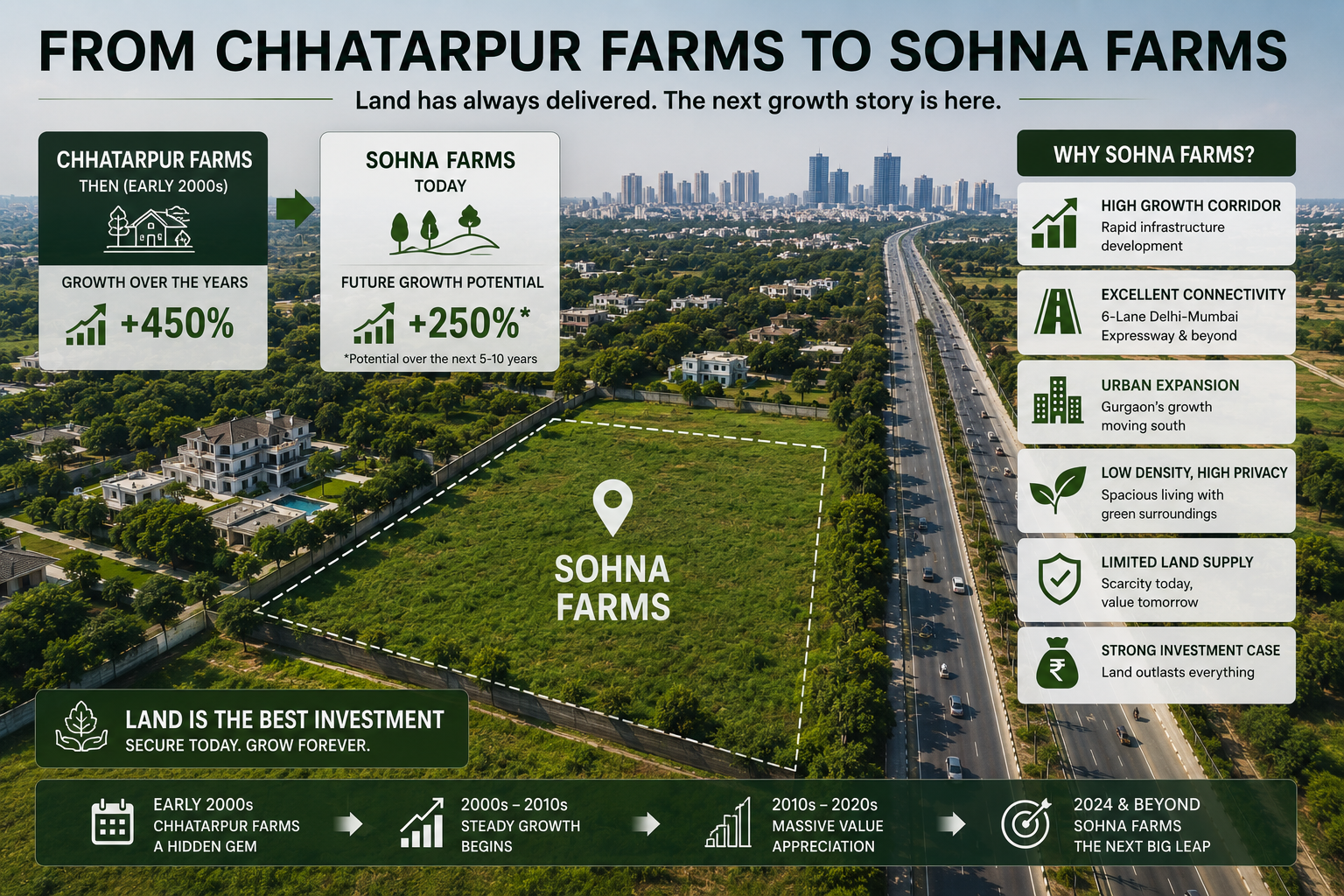
Is Sohna Really the Next Chhatarpur?
Three decades after Chhatarpur redrew South Delhi's map for space, privacy and exclusivity, a familiar pattern is now taking shape further south, and Sohna is where the smart money is beginning to look.
How Chhatarpur Farmhouses Created Multi-Crore Wealth for Early Buyers
What a quiet corner of South Delhi can teach investors about land, scarcity, and long-term wealth creation.

The ₹5 Crore Land Purchase That Became Worth ₹70 Crore
What the Story of DLF Chhatarpur Farms Reveals About Wealth Creation Through Premium Land Ownership
One short email. Stories you can use.
A free, occasional email from our editorial team with our latest features, explainers and reads. Unsubscribe any time — your email stays with us.