Continental Drift: The Fragmented Futures of European E-commerce
Despite a shared currency and increasingly integrated markets, Europe's digital retail landscape remains remarkably diverse. Local champions and distinct consumer behaviours continue to shape the trajectory of online commerce, presenting both opportunities and formidable barriers for expansion.

The recent financial struggles of instant grocery delivery pioneer Flink, which secured fresh funding at a sharply reduced valuation, underscores a fundamental truth about the European e-commerce sector: scalability across national borders is neither automatic nor easy. While venture capital propelled rapid growth during the pandemic, the subsequent recalibration highlights the inherent complexities of operating in a market defined by cultural nuance, varying regulatory frameworks, and entrenched local preferences.
Companies like Zalando, based in Germany, have successfully built a Pan-European footprint in fashion, leveraging robust logistics and a consistent brand message. Yet, their triumph stands in contrast to the fragmented successes seen elsewhere. In Poland, Allegro remains the dominant marketplace, fending off Amazon's direct entry. The Netherlands sees Bol.com holding considerable sway, while in France, Cdiscount maintains a significant local presence, coexisting with larger global players.
The Lingering Power of Localisation
These regional strongholds are not merely relics of an earlier digital age; they reflect deep-seated consumer behaviours and supply chain adaptations. A French shopper's expectations regarding delivery options or payment methods may differ markedly from those in Spain or even neighbouring Germany. This necessitates significant localisation efforts, extending beyond mere language translation to encompass product assortments, marketing narratives, and logistical partnerships.
Cross-border transaction volumes, while growing, still face friction. A consumer in Italy might hesitate to order from a German retailer if returns processes are perceived as cumbersome or customer service is not offered in their native language. Similarly, logistics networks, while increasingly sophisticated, still encounter bottlenecks and higher costs when traversing multiple national boundaries, impacting profitability for smaller players.
The allure of a single European market often masks the persistent practicalities of diverse national economies.
Traditional retailers are also making their mark online. Carrefour, for instance, has invested heavily in its digital storefronts and click-and-collect services across its primary European markets, including France and Spain. German discount giants Rewe and Lidl are similarly expanding their online grocery offerings, demonstrating that digital transformation is not solely the domain of pure-play e-commerce businesses.
Niche Markets and Sustainability Trends
Beyond general merchandise, specialised platforms are carving out their own niches. Vinted, the Lithuanian-founded second-hand fashion marketplace, has achieved considerable success across several European nations, tapping into a growing consumer appetite for sustainability and affordability. This trend underscores a broader shift towards values-driven consumption, which often manifests differently from one country to another.
The immediate future of European e-commerce will likely see sustained investment in data-driven personalisation and efficient last-mile delivery, particularly in dense urban areas. However, genuine continent-wide dominance will continue to be an arduous undertaking, requiring patient capital, deep cultural understanding, and an adaptive operational strategy rather than a one-size-fits-all approach. The lesson from the past few years is clear: local resilience remains a formidable competitive advantage.
News Legacy maintains editorial independence. Some recommendations may contain affiliate links. We earn from qualifying purchases at no additional cost to you. Read our policy.
Read Next

Is Sohna Really the Next Chhatarpur?
Three decades after Chhatarpur redrew South Delhi's map for space, privacy and exclusivity, a familiar pattern is now taking shape further south, and Sohna is where the smart money is beginning to look.
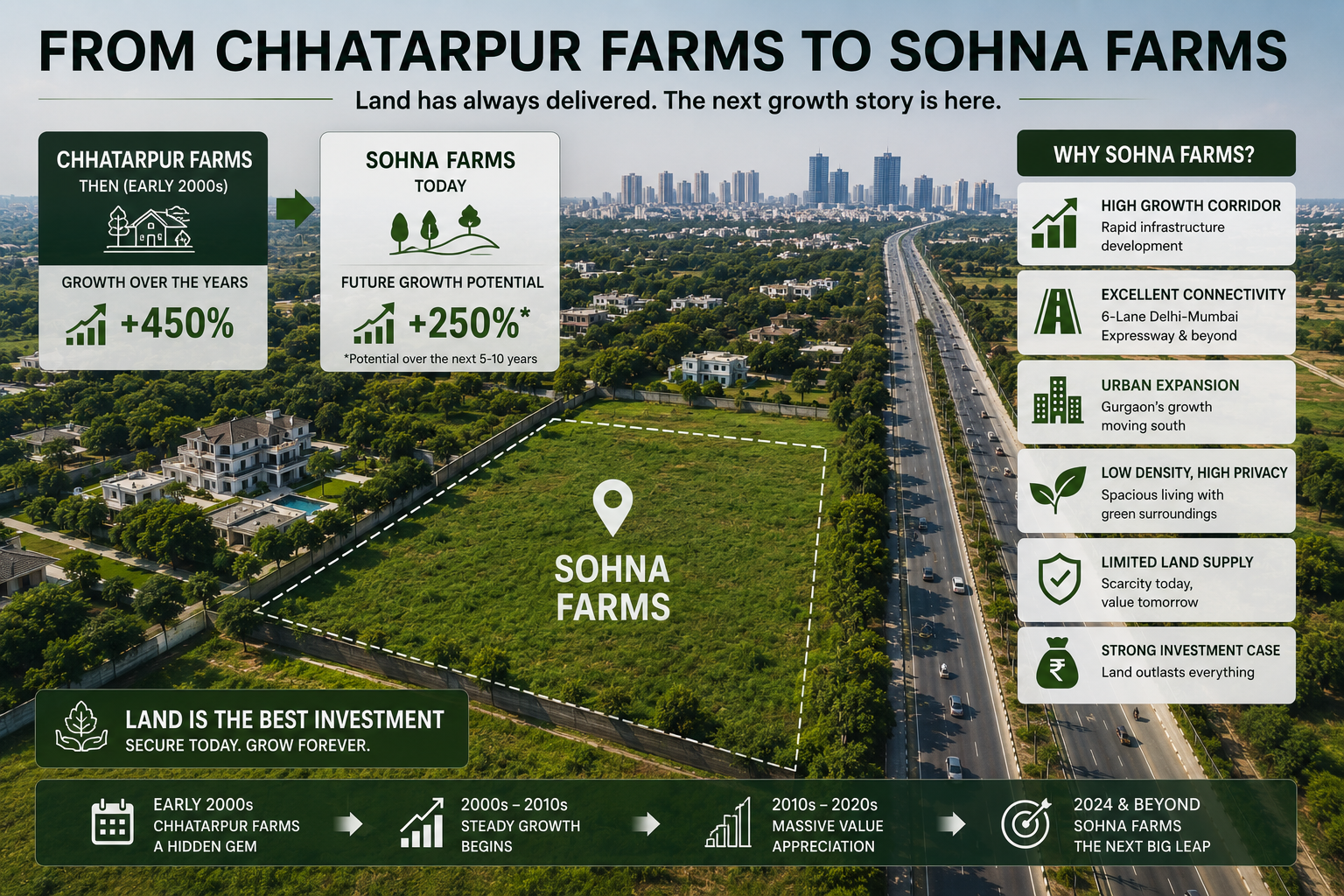
How Chhatarpur Farmhouses Created Multi-Crore Wealth for Early Buyers
What a quiet corner of South Delhi can teach investors about land, scarcity, and long-term wealth creation.
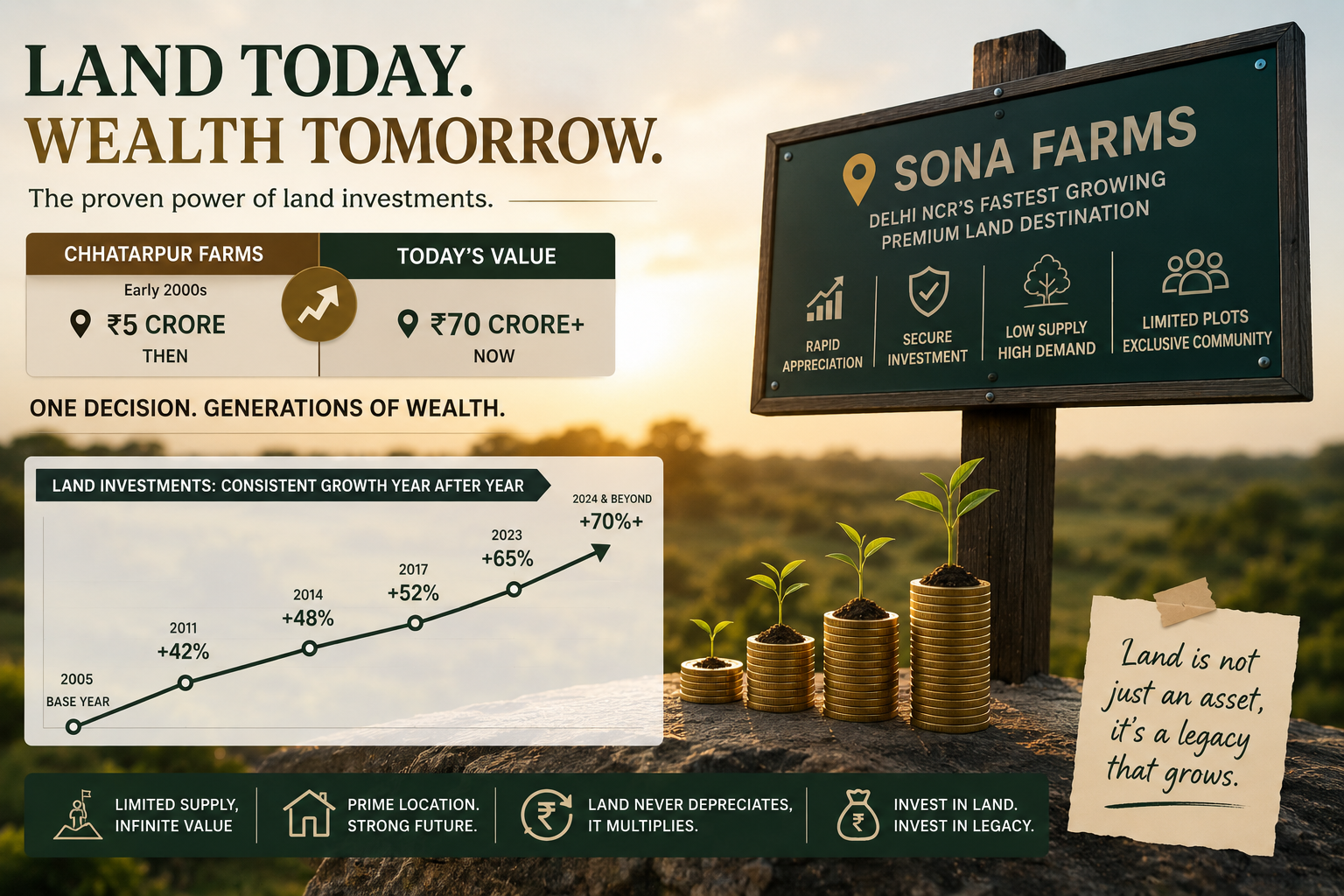
The ₹5 Crore Land Purchase That Became Worth ₹70 Crore
What the Story of DLF Chhatarpur Farms Reveals About Wealth Creation Through Premium Land Ownership
One short email. Stories you can use.
A free, occasional email from our editorial team with our latest features, explainers and reads. Unsubscribe any time — your email stays with us.