Continental Marketplaces Recalculate the Value of the Referral
Across the European single market, platforms from Zalando to Allegro are unwinding blunt affiliate payouts in favour of tightly guarded first-party attribution.

Inside Zalando's headquarters in Berlin, the accounting line for performance marketing has undergone a quiet but severe reassessment. Over the past eighteen months, the fashion platform has systematically restructured how it compensates third-party publishers, pruning back the generous commissions that once rewarded discount aggregators and voucher portals for transactions they merely intercepted at checkout. What began as a cost-containment exercise during the post-pandemic margin squeeze has hardened into a structural realignment across European commerce, forcing affiliate networks to prove their incremental worth or face exclusion.
This defensive posture is hardly confined to Germany. Across the continent, pure-play merchants and hybrid retailers are recalibrating their customer acquisition budgets. In Warsaw, Allegro has tightened the terms of its partner programme to defend its domestic dominance against regional incursions, while the Netherlands' Bol and France's Cdiscount have re-engineered payout schedules to favour high-margin categories over volume drivers. As borrowing costs remain elevated and consumer discretionary spending across the eurozone crawls rather than surges, paying a 4 to 8 per cent commission on an order that likely would have converted organically has become an indefensible luxury.
The Retreat from Blunt Commissions
For more than a decade, the European affiliate ecosystem operated on a relatively simple formula: publishers delivered traffic, and merchants remitted a flat percentage upon basket settlement. That mechanism built substantial businesses across the Nordics, France, and Spain, where cashback websites and price-comparison engines served as de facto gatekeepers to online shopping. Yet the rise of second-hand marketplaces such as Lithuania-founded Vinted, alongside the lingering operational discipline learned during the collapse of venture-backed quick-commerce pioneers like Gorillas, has sharpened executive focus on genuine customer acquisition versus superficial attribution.
Retailers are now deploying multi-touch attribution models that strip credit away from last-click intermediaries. If a consumer in Milan or Lyon searches for a voucher code sixty seconds before completing a purchase, the publisher no longer captures the full bounty. Instead, merchant platforms are shifting compensation towards early-funnel content creators and editorial curators who introduce shoppers to products they had not previously considered, leaving traditional coupon scrapers with fractional returns.
Direct referral models once treated coupon aggregators as vital allies; today, boardrooms view their fees as unearned rent extracted from transactions that were already guaranteed.
The Collision with Retail Media
The affiliate overhaul is unfolding alongside an even larger structural transformation: the rapid expansion of retailer-owned advertising networks. Supermarket conglomerates such as Carrefour in France and REWE in Germany, alongside discounters like Lidl through its expanding digital loyalty ecosystem, are building sophisticated retail media engines. These closed-loop systems allow consumer goods brands to purchase targeted exposure directly on the retailer's properties, using verified checkout data rather than opaque browser cookies.
This shift places external affiliate networks in direct competition with in-house advertising sales teams. At Carrefour Links or Bol's retailer advertising unit, brands are invited to allocate budgets directly within the merchant's perimeter. Why pay a third-party publisher network an intermediary fee to acquire a customer when the retailer can monetise that supplier's brand budget directly on the digital shelf? The boundary between external referral marketing and internal retail media is collapsing, consistently to the financial benefit of the platform owner.
Cross-border friction has intensified the retreat from open-web affiliate networks. Operating across fragmented legal and linguistic jurisdictions has always added friction to European e-commerce; complying with differing national interpretations of the Digital Markets Act, strict General Data Protection Regulation enforcement, and consumer protection mandates has made tracking third-party referrals technically precarious. Polish and Spanish shoppers display markedly different shopping behaviours, and tracking consent rates vary wildly between privacy-conscious German consumers and Nordic digital natives.
The merchants that navigate this transition most effectively are those treating publisher partnerships as bespoke commercial alliances rather than open-ended affiliate feeds. For digital publishers across Europe, the era of passive arbitrage has ended. To capture euro revenues from the continent's largest digital storefronts, referral partners must provide either proprietary audiences or verifiable incrementality—terms dictated entirely by the platforms holding the checkout data.
News Legacy maintains editorial independence. Some recommendations may contain affiliate links. We earn from qualifying purchases at no additional cost to you. Read our policy.
Read Next

Is Sohna Really the Next Chhatarpur?
Three decades after Chhatarpur redrew South Delhi's map for space, privacy and exclusivity, a familiar pattern is now taking shape further south, and Sohna is where the smart money is beginning to look.
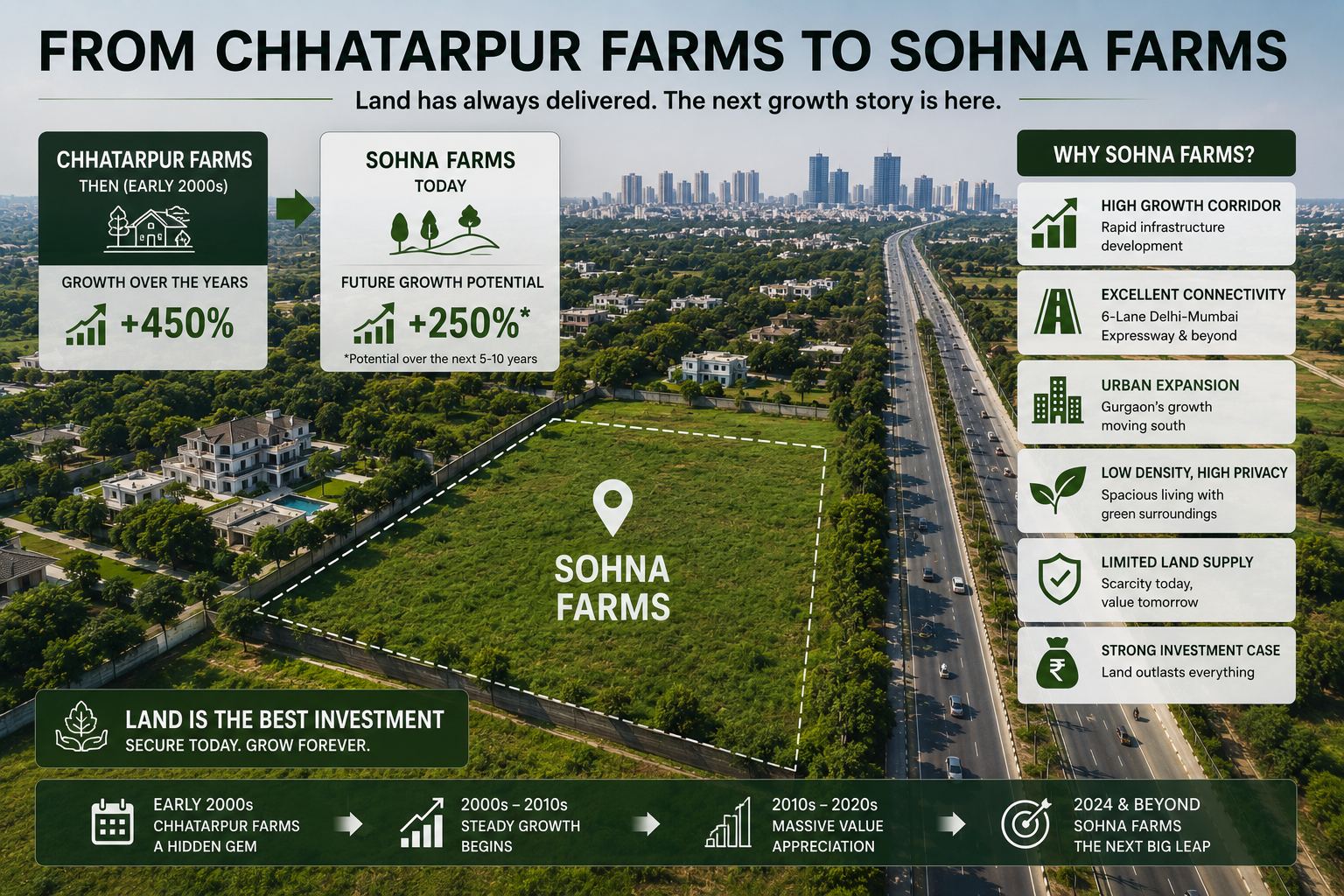
How Chhatarpur Farmhouses Created Multi-Crore Wealth for Early Buyers
What a quiet corner of South Delhi can teach investors about land, scarcity, and long-term wealth creation.

The ₹5 Crore Land Purchase That Became Worth ₹70 Crore
What the Story of DLF Chhatarpur Farms Reveals About Wealth Creation Through Premium Land Ownership
One short email. Stories you can use.
A free, occasional email from our editorial team with our latest features, explainers and reads. Unsubscribe any time — your email stays with us.