Continental Retailers Confront a Fragmented Digital Future
European commerce platforms are navigating complex national consumer preferences and disparate regulatory landscapes, requiring tailored technological strategies to achieve scale.

The recent shift by Zalando, Europe's largest online fashion retailer, towards a marketplace model underscores a critical strategic pivot reverberating across the continent. Instead of merely selling its own inventory, the Berlin-based company is increasingly positioning itself as an operating system for brands, a move that reflects the evolving demands of both consumers and regulatory bodies in diverse markets from Spain to Sweden. This strategic direction highlights the inherent challenges and opportunities within Europe's often fragmented digital retail ecosystem.
While the concept of a unified digital market is often discussed in Brussels, the reality on the ground presents a mosaic of distinct consumer behaviours, logistical complexities, and regulatory frameworks. Consider the Polish market, dominated by Allegro, a domestic e-commerce giant that commands significant loyalty, or the Benelux region where Bol.com holds substantial sway. These deeply entrenched national players often necessitate a different approach than a global, one-size-fits-all strategy.
The failure of quick commerce ventures like Gorillas and Flink to achieve sustained profitability across multiple European capitals, despite significant early investment, serves as a cautionary tale. Their rapid expansion faced not only intense competition but also varying labour laws and urban delivery restrictions, particularly in densely populated cities like Paris or Amsterdam. This demonstrates that technological innovation alone is insufficient without a granular understanding of local market dynamics.
Localised Digital Battlegrounds
Traditional brick-and-mortar retailers, such as Carrefour in France and REWE in Germany, are also intensifying their digital investments, often in bespoke solutions. Carrefour, for instance, has leveraged its extensive physical footprint to develop click-and-collect services and dark stores, tailoring its online grocery offering to the specific shopping habits of French households. Similarly, REWE has invested heavily in automation for its online fulfilment centres, optimising for a German consumer base that values efficiency and reliability.
The real test for European retail tech lies in fostering interoperability across borders while respecting local idiosyncrasies.
The cross-border potential, while immense, remains largely untapped by all but the largest players. Vinted, the Lithuanian-based second-hand fashion platform, stands as a notable exception, demonstrating how a compelling value proposition can transcend national boundaries, particularly when supported by robust, localised logistics and customer service. Its success suggests that platforms offering niche value or sustainability often find broader appeal.
Investment Flows and Strategic Alliances
Investment in retail technology across Europe continues at pace, albeit with a discerning eye for scalability. While venture capital has cooled for 'burn rate' models, capital is being deployed into areas like artificial intelligence for inventory management, last-mile delivery optimisation, and customer experience platforms. Major retailers are increasingly looking to acquire or partner with agile tech firms rather than building all capabilities in-house. For example, the acquisition of smaller logistics tech providers is a common theme among larger players seeking to refine their supply chains.
Looking ahead, the next phase of European retail tech growth is likely to be characterised by hybrid models and strategic integration. Companies capable of offering flexible, modular solutions that can be adapted for individual countries — addressing issues from payment preferences in Italy to specific data protection requirements in Germany — will gain a decisive advantage. The era of simply porting a successful model from one country to another without substantial adaptation appears to be receding.
News Legacy maintains editorial independence. Some recommendations may contain affiliate links. We earn from qualifying purchases at no additional cost to you. Read our policy.
Read Next

Is Sohna Really the Next Chhatarpur?
Three decades after Chhatarpur redrew South Delhi's map for space, privacy and exclusivity, a familiar pattern is now taking shape further south, and Sohna is where the smart money is beginning to look.
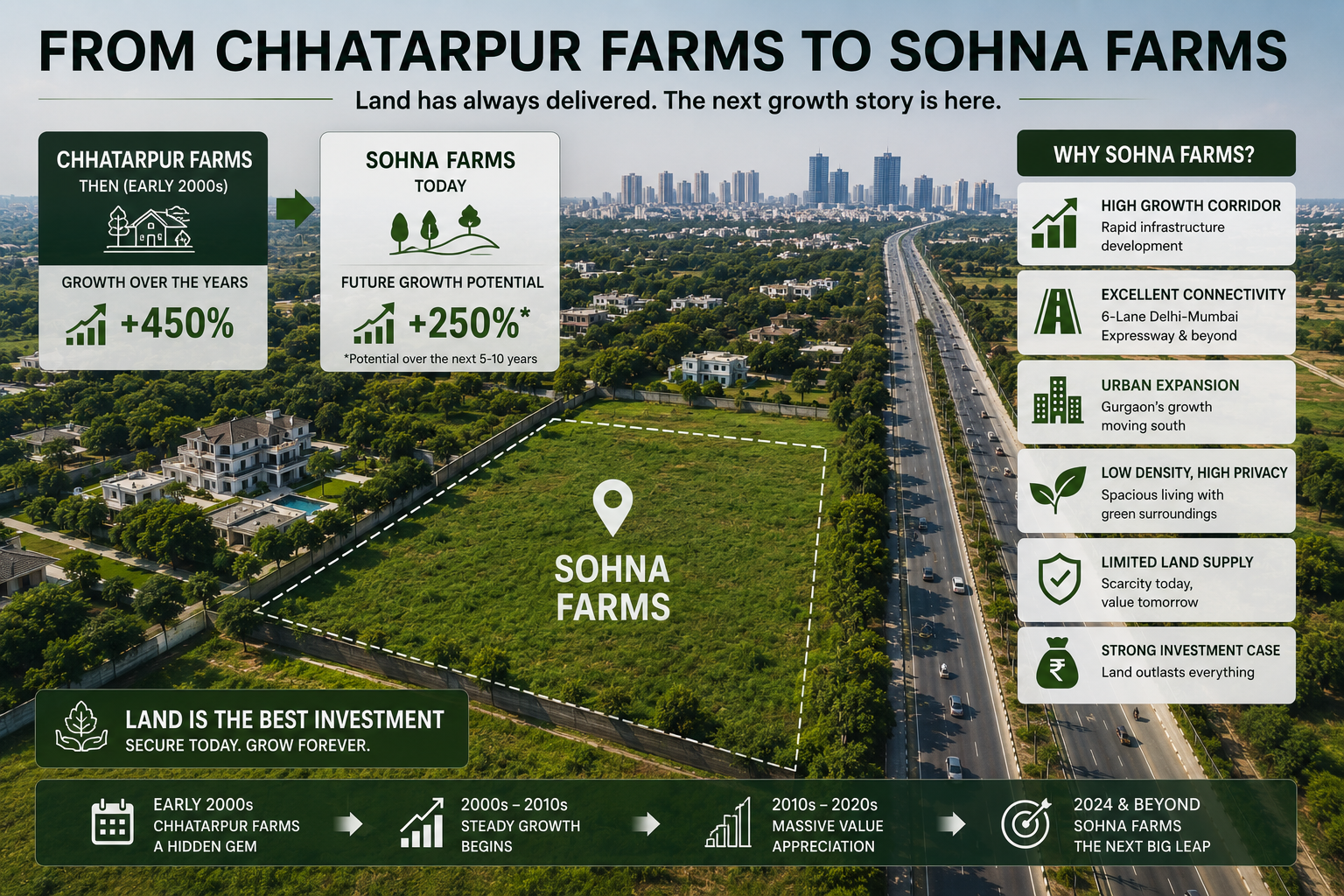
How Chhatarpur Farmhouses Created Multi-Crore Wealth for Early Buyers
What a quiet corner of South Delhi can teach investors about land, scarcity, and long-term wealth creation.
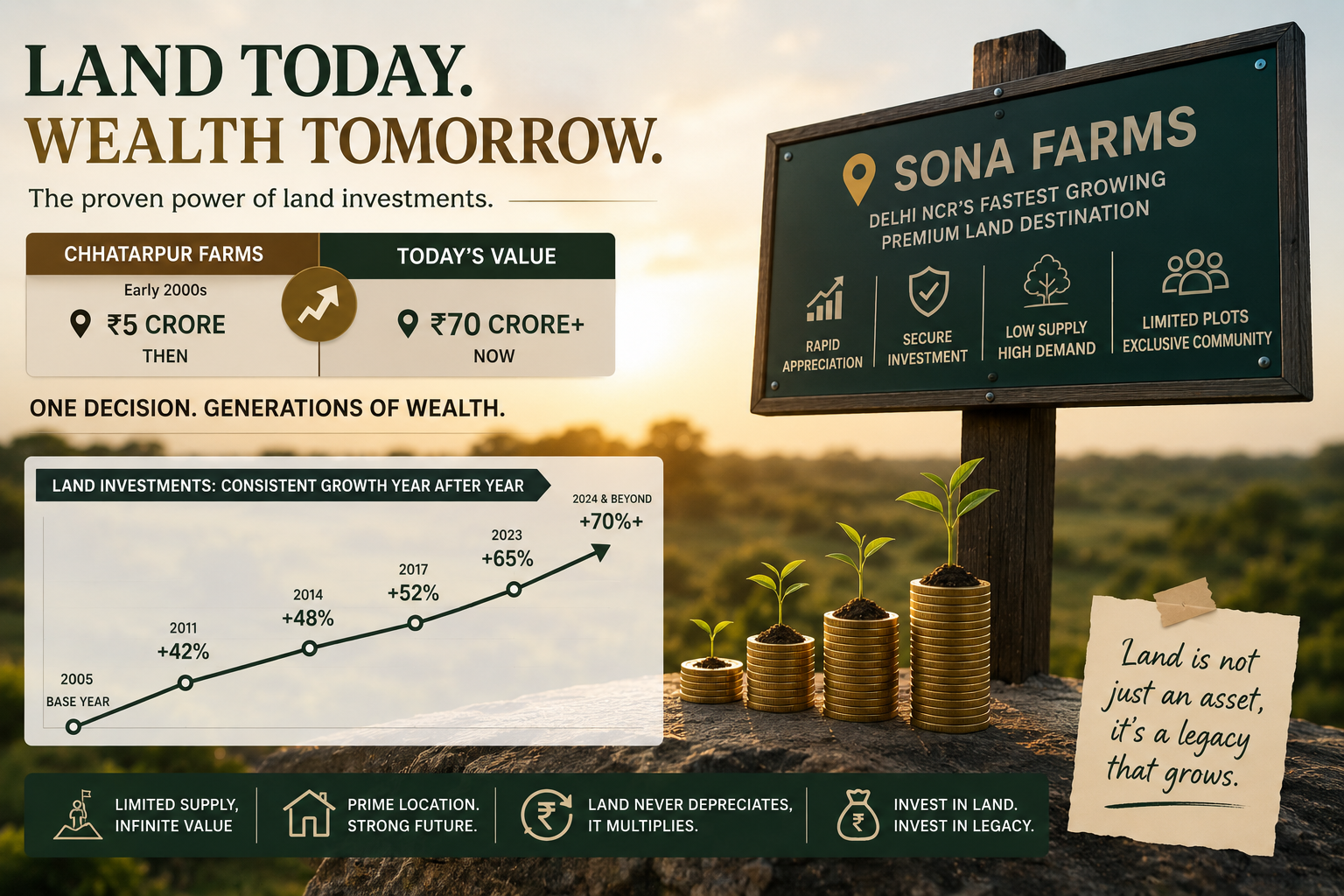
The ₹5 Crore Land Purchase That Became Worth ₹70 Crore
What the Story of DLF Chhatarpur Farms Reveals About Wealth Creation Through Premium Land Ownership
One short email. Stories you can use.
A free, occasional email from our editorial team with our latest features, explainers and reads. Unsubscribe any time — your email stays with us.