Continental Retailers Seek New Margins Amid Fractured Digital Growth
European e-commerce growth is decelerating from pandemic highs, compelling retailers to re-evaluate cross-border strategies and operational efficiencies in a fragmented digital landscape.

The German fashion platform Zalando recently posted modest single-digit revenue growth in its latest quarter, a notable shift from the double-digit expansions that characterised the sector for years. This deceleration, mirrored by many peers, underscores a mature yet fractured digital retail environment across the European Union, where consumers increasingly scrutinise discretionary spending and operators grapple with inflationary pressures and the escalating cost of last-mile delivery.
Across the continent, from the bustling avenues of Paris to the digital marketplaces of Warsaw, retailers are confronting a new reality. The surge in online adoption witnessed during the early 2020s has normalised, leaving a more discerning customer base and a crowded field of competitors. Companies like Cdiscount in France and Bol.com in the Netherlands are refining their marketplace models, seeking to expand their assortment without incurring excessive inventory risk, while traditional giants such as Carrefour and REWE are investing heavily in their omnichannel capabilities to bridge the gap between physical and digital storefronts.
Cross-Border Complexities Persist
Despite the EU's single market ambition, the practicalities of cross-border e-commerce remain a significant hurdle. Varying consumer preferences, language barriers, and distinct regulatory frameworks — particularly around data privacy and environmental standards — complicate expansion efforts. While platforms like Allegro in Poland have successfully leveraged their strong domestic positions to explore adjacent markets, truly seamless pan-European operations remain elusive for many. The aspiration for economies of scale often collides with the granular requirements of local adaptation.
Logistics present another formidable challenge. The promise of rapid delivery, often spearheaded by venture-backed rapid grocery services like the now-defunct Gorillas and its rival Flink, has raised consumer expectations without fully internalising the economic cost. Retailers are now optimising their distribution networks, with many exploring hyper-local fulfilment centres and more efficient routing algorithms to manage the expense of reaching individual households across diverse geographies.
The pursuit of market share must now be tempered by a renewed focus on sustainable profitability in a landscape defined by higher input costs and a more cautious consumer.
The second-hand market, exemplified by companies like Vinted, demonstrates a powerful counter-trend. Its success across France, Spain, and Italy highlights a growing consumer appetite for value and sustainability, creating a formidable category that traditional retailers must either compete with or integrate. This shift towards re-commerce also influences purchasing decisions in the primary market, compelling brands to consider product longevity and circular economy principles more closely.
Data-Driven Optimisation as Imperative
In this environment, data analytics has become less of an advantage and more of a necessity. Retailers are leveraging sophisticated algorithms to personalise offers, forecast demand with greater accuracy, and manage inventory across multiple channels, often integrating artificial intelligence to discern subtle shifts in consumer behaviour. This granular insight is critical for optimising everything from promotional campaigns in the Nordics to supply chain management for fresh produce in Southern Europe.
The future of European retail will likely be defined by a strategic blend of technological innovation and a renewed commitment to core operational efficiencies. While the rapid growth rates of the past may not return immediately, the sector is demonstrating resilience through adaptation, with an ongoing emphasis on profitability over sheer volume. The ability to navigate the intricacies of diverse national markets while delivering a cohesive customer experience will differentiate the long-term winners.
News Legacy maintains editorial independence. Some recommendations may contain affiliate links. We earn from qualifying purchases at no additional cost to you. Read our policy.
Read Next

Is Sohna Really the Next Chhatarpur?
Three decades after Chhatarpur redrew South Delhi's map for space, privacy and exclusivity, a familiar pattern is now taking shape further south, and Sohna is where the smart money is beginning to look.
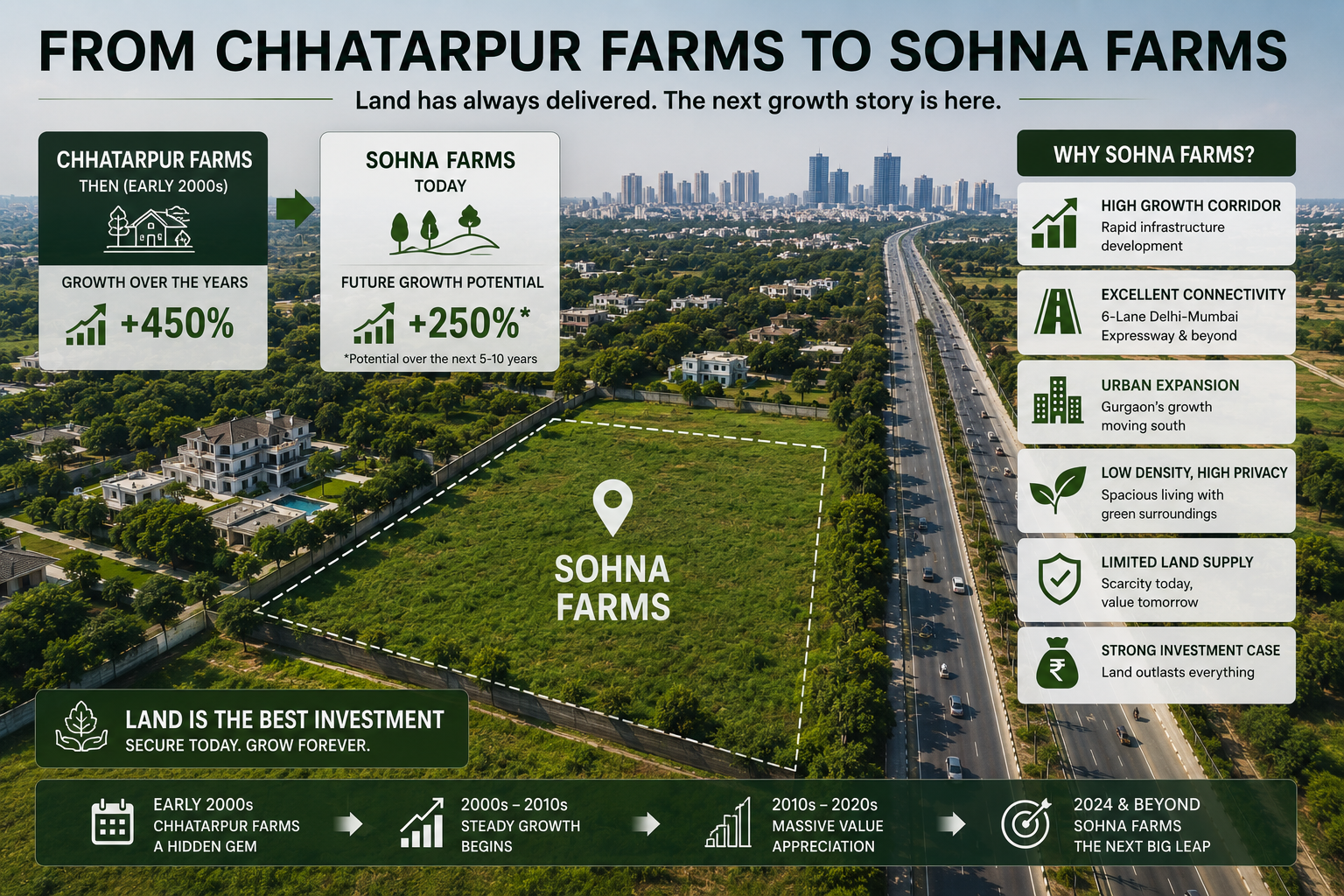
How Chhatarpur Farmhouses Created Multi-Crore Wealth for Early Buyers
What a quiet corner of South Delhi can teach investors about land, scarcity, and long-term wealth creation.
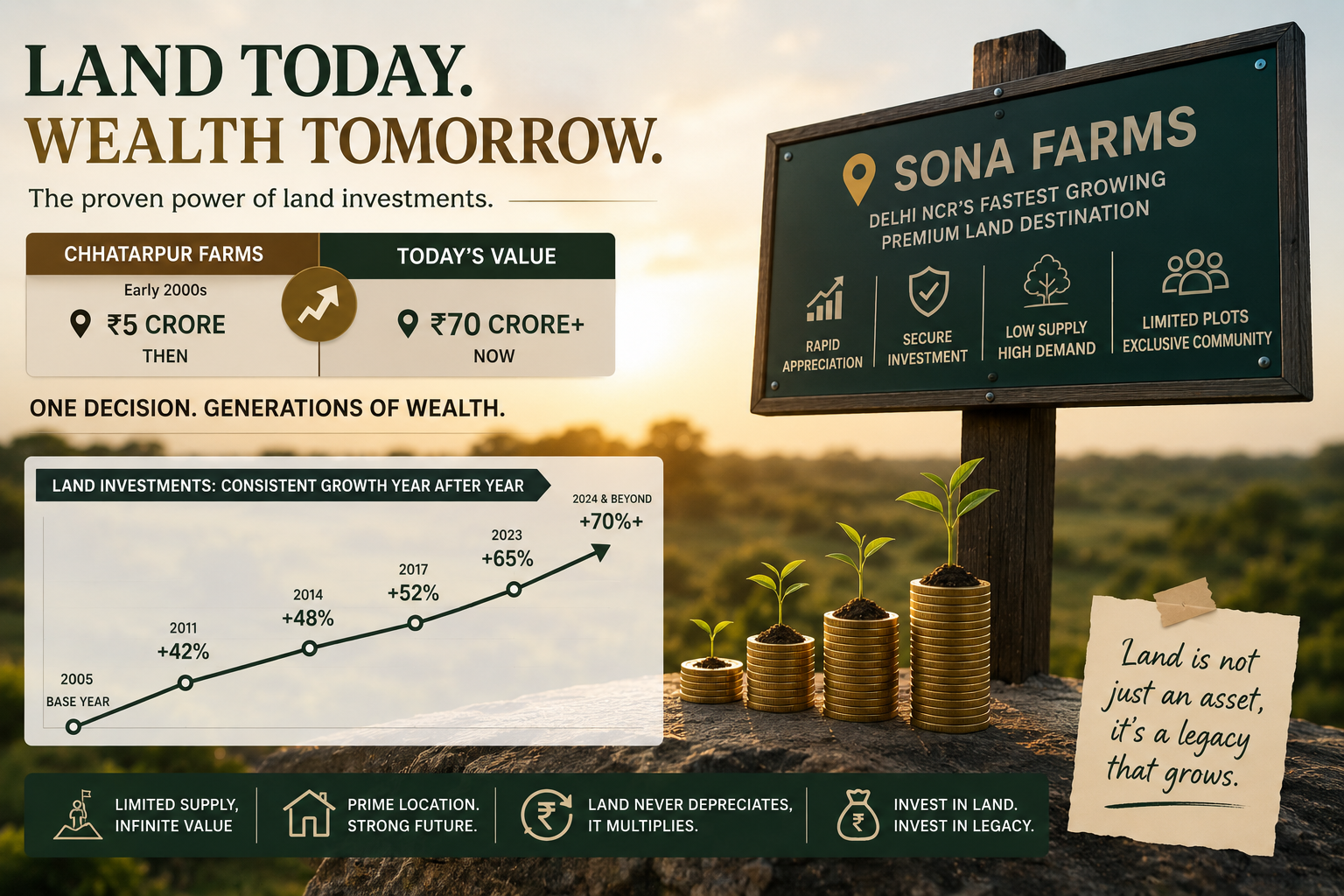
The ₹5 Crore Land Purchase That Became Worth ₹70 Crore
What the Story of DLF Chhatarpur Farms Reveals About Wealth Creation Through Premium Land Ownership
One short email. Stories you can use.
A free, occasional email from our editorial team with our latest features, explainers and reads. Unsubscribe any time — your email stays with us.