Continental Retailers Seek Scale Amid Fragmented Digital Fronts
European e-commerce players are navigating a complex landscape of disparate national preferences and regulatory frameworks, necessitating distinct strategies for cross-border expansion and market dominance.

The recent acquisition of part of France's Cdiscount by Germany's Allegro, a transaction valued at approximately €750 million, signals a persistent imperative for scale within European digital retail. This move highlights the strategic maneuvers companies undertake to consolidate market share in a continent characterised by varied consumer habits and a patchwork of logistical challenges. While Amazon remains a formidable presence, indigenous players continue to carve out significant niches, often through targeted acquisitions and geographical specialisation.
Unlike the relatively homogeneous markets of North America or China, Europe presents a fragmented picture. A consumer in Rome exhibits different purchasing patterns and brand loyalties than one in Stockholm or Warsaw. This diversity complicates pan-European strategies, demanding localised inventory, bespoke marketing, and often country-specific customer service. For instance, while Zalando thrives in fashion across multiple European nations, its approach considers nuances in sizing, style preferences, and returns policies for each locale.
The Appeal of Super-App Ambitions
Many European digital retailers are evolving beyond simple transactional platforms, aiming for a broader 'super-app' functionality that integrates various services. Bol.com, dominant in the Netherlands and Belgium, exemplifies this with its extensive marketplace model extending beyond traditional retail to include services. Similarly, Poland's Allegro has long offered a diverse ecosystem, demonstrating how a robust local offering can successfully compete with global giants by deeply embedding itself into the consumer's daily digital life.
The quick commerce sector, despite recent retrenchment from players like Gorillas, showcased the intense competition for last-mile delivery. While some high-profile ventures stumbled, the underlying demand for rapid fulfillment persists, prompting established grocery retailers like Rewe and Carrefour to invest heavily in their own digital delivery infrastructures. Lidl's burgeoning online presence in several markets also indicates a broader embrace of digital channels by traditional grocers, recognising that an omnichannel approach is no longer optional but foundational.
The challenge for European digital retail is less about technological capacity and more about the cultural and logistical tapestry of the continent itself.
Cross-border logistics present another significant hurdle. Varying national regulations on everything from data privacy to product safety, coupled with distinct VAT regimes, create a complex operational environment. Retailers must manage multiple payment gateways, navigate diverse customs procedures, and establish efficient delivery networks that can span thousands of kilometres across different jurisdictions. This complexity often favours companies that have developed deep regional expertise.
Niche Players and Sustainable Models
Alongside the pursuit of scale, specialized platforms like Vinted, focusing on second-hand fashion, demonstrate the viability of niche models that tap into specific consumer values, such as sustainability and value. These platforms often achieve impressive user engagement and market penetration without directly confronting the broad general merchandise retailers. Their success underscores a trend where consumers increasingly seek curated experiences and ethical alternatives.
The ongoing evolution of the European retail sector suggests a future characterised by hybrid models. Large incumbent retailers will continue to digitise their operations, integrating physical stores with sophisticated e-commerce platforms. Concurrently, native digital players will seek strategic alliances and targeted acquisitions to expand their footprint, while niche platforms will continue to serve distinct consumer segments, fostering a dynamic and competitive marketplace across the continent.
News Legacy maintains editorial independence. Some recommendations may contain affiliate links. We earn from qualifying purchases at no additional cost to you. Read our policy.
Read Next

Is Sohna Really the Next Chhatarpur?
Three decades after Chhatarpur redrew South Delhi's map for space, privacy and exclusivity, a familiar pattern is now taking shape further south, and Sohna is where the smart money is beginning to look.
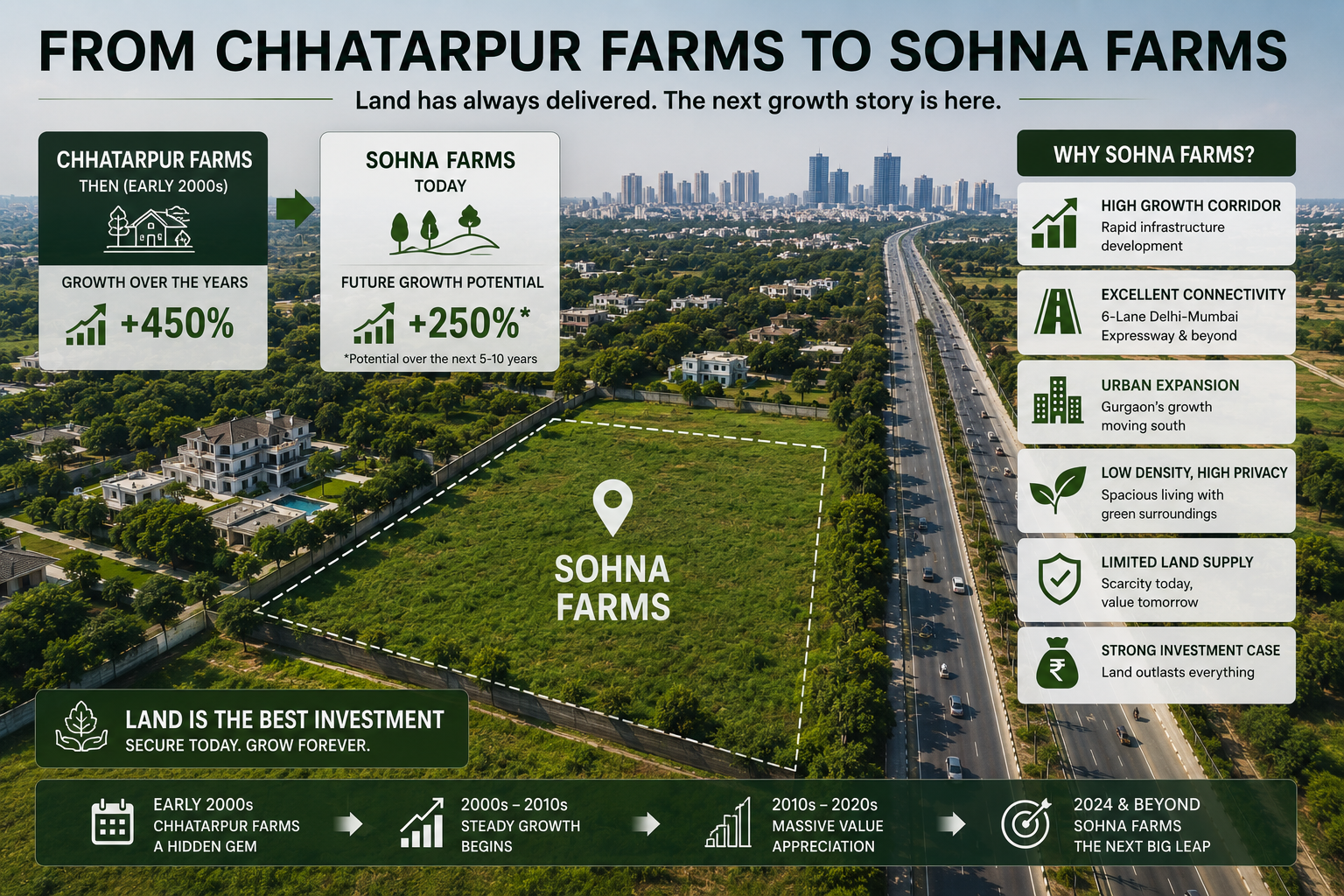
How Chhatarpur Farmhouses Created Multi-Crore Wealth for Early Buyers
What a quiet corner of South Delhi can teach investors about land, scarcity, and long-term wealth creation.
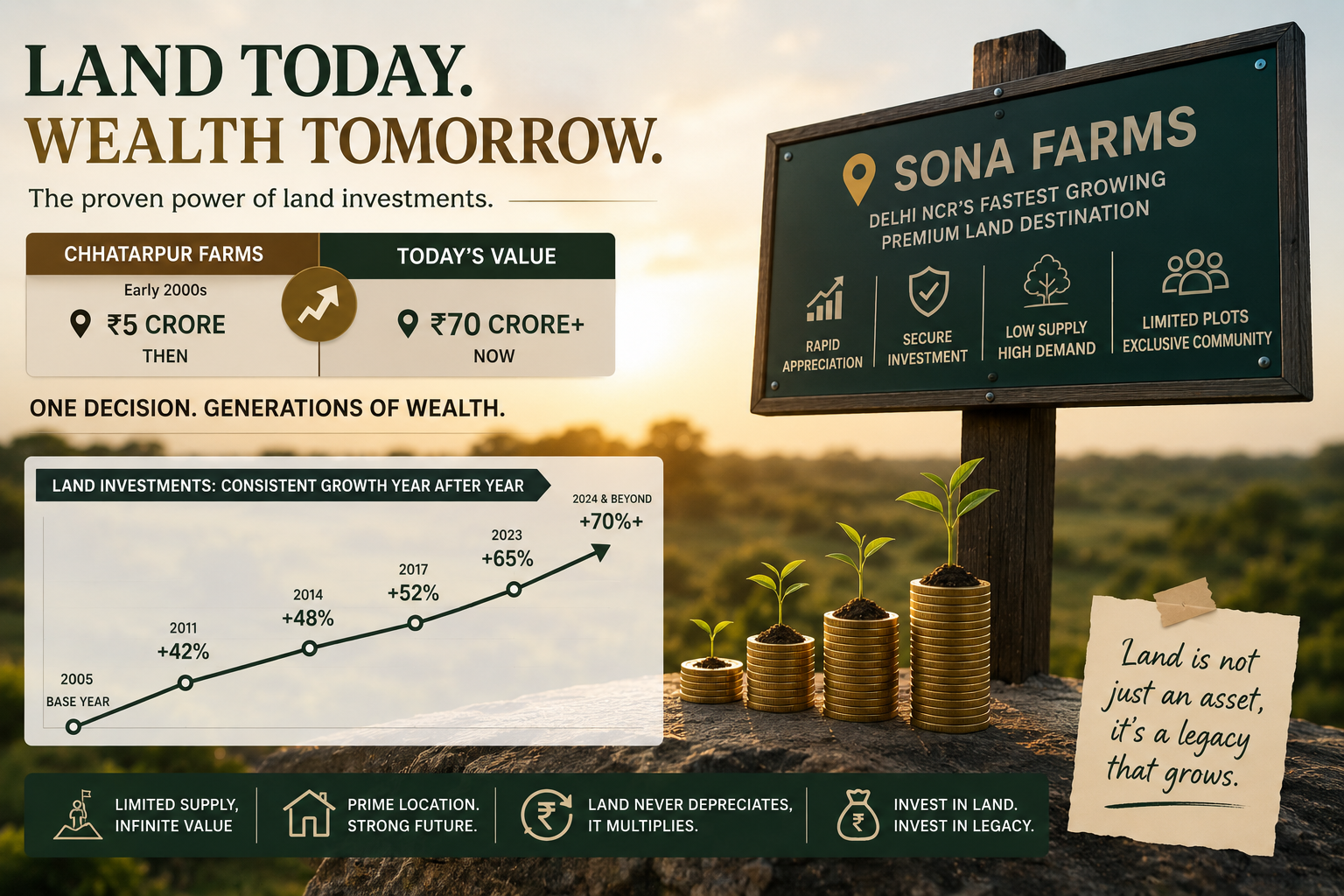
The ₹5 Crore Land Purchase That Became Worth ₹70 Crore
What the Story of DLF Chhatarpur Farms Reveals About Wealth Creation Through Premium Land Ownership
One short email. Stories you can use.
A free, occasional email from our editorial team with our latest features, explainers and reads. Unsubscribe any time — your email stays with us.