Continental Retailers Seek Scale Amidst Fragmented Digital Borders
Despite a shared currency and open movement, Europe's digital commerce remains remarkably fractured by national boundaries, presenting both formidable challenges and unique opportunities for domestic players.

When a German consumer orders a fashion item from Zalando, the transaction often proceeds with an efficiency that belies the complex logistics and legal frameworks underpinning cross-border European retail. Yet, for every smooth operation, countless others encounter friction at national digital frontiers. The vision of a truly single digital market, where goods and services flow as freely online as they do physically across the Schengen area, remains largely aspirational, hindered by diverse regulatory landscapes, linguistic nuances, and entrenched consumer habits.
The inherent fragmentation presents a significant strategic challenge for European retailers aspiring to scale. While Amazon and eBay have long operated pan-continentally, indigenous platforms like Poland's Allegro, France's Cdiscount, or the Netherlands' Bol.com typically achieve dominance within their home markets but struggle to replicate that success beyond national borders. This contrasts with the United States, where a unified language and legal system naturally foster larger domestic e-commerce giants.
Localised Strength, Regional Ambition
Companies like Vinted have demonstrated that a strong, localised approach can transcend borders. Originating in Lithuania, Vinted has successfully expanded its second-hand fashion marketplace across major European economies, including Germany, France, and Spain, by meticulously adapting its user experience and marketing to local preferences. This contrasts with the rapid-delivery grocery platforms such as the now-defunct Gorillas or Flink, which, despite significant capital injections, found sustained pan-European profitability elusive, often due to intense local competition and the high cost of urban logistics.
The grocery sector, in particular, illustrates the difficulties of cross-border expansion. While giants like Carrefour, REWE, and Lidl operate extensive physical store networks across Europe, their digital footprints often remain siloed by country. Each market demands specific supplier relationships, differing product assortments, and unique last-mile delivery solutions, making a unified e-commerce strategy exceptionally complex to implement profitably.
The promise of a truly integrated European digital market is tantalising, yet the realities of consumer behaviour and regulatory divergence mean that local market expertise often trumps a broad, undifferentiated approach.
One industry analyst observes that digital commerce adoption rates vary significantly across the continent. While Northern and Western European nations exhibit high levels of online penetration, Southern and Eastern European markets are still developing, offering growth opportunities but also requiring tailored investment strategies. This uneven development necessitates a granular approach to expansion, rather than a monolithic roll-out.
Navigating Regulatory Labyrinths
Beyond consumer preferences, regulatory divergence continues to pose hurdles. Data protection laws, consumer rights legislation, and tax regimes, while harmonised in some areas, still contain enough national specificities to complicate cross-border digital operations. A retailer selling from Germany to France, for instance, must navigate distinct return policies, warranty requirements, and potentially different VAT rates for certain goods, adding layers of administrative complexity.
The ability to seamlessly manage these intricacies, both logistical and legal, will determine which European digital retailers can graduate from national champions to continental powerhouses. Those that can effectively bridge the digital borders, perhaps through strategic partnerships or highly adaptable technological infrastructures, stand to capture a significant share of the euro 800 billion-plus European e-commerce market.
News Legacy maintains editorial independence. Some recommendations may contain affiliate links. We earn from qualifying purchases at no additional cost to you. Read our policy.
Read Next

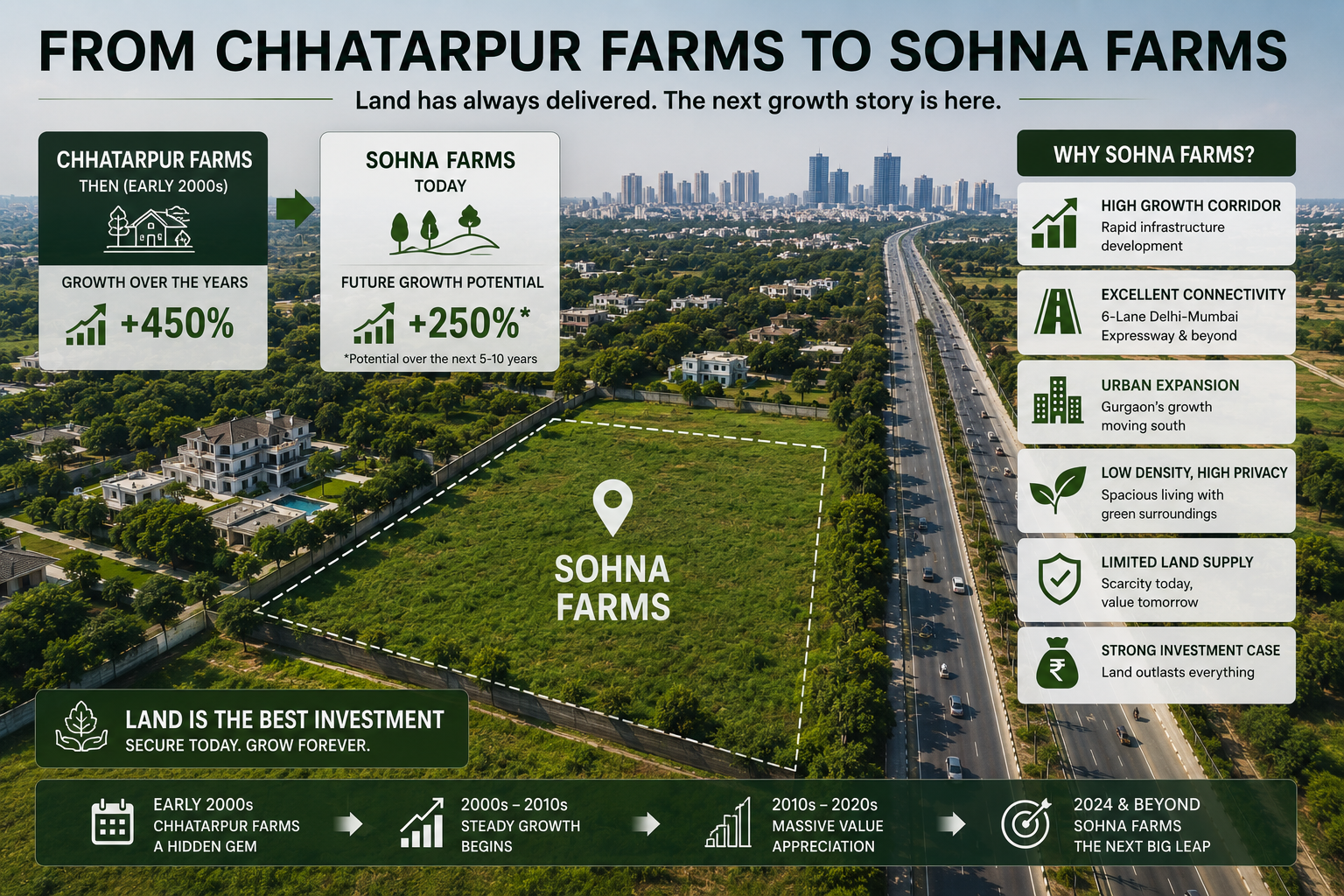
Is Sohna Really the Next Chhatarpur?
Three decades after Chhatarpur redrew South Delhi's map for space, privacy and exclusivity, a familiar pattern is now taking shape further south, and Sohna is where the smart money is beginning to look.
How Chhatarpur Farmhouses Created Multi-Crore Wealth for Early Buyers
What a quiet corner of South Delhi can teach investors about land, scarcity, and long-term wealth creation.

The ₹5 Crore Land Purchase That Became Worth ₹70 Crore
What the Story of DLF Chhatarpur Farms Reveals About Wealth Creation Through Premium Land Ownership
One short email. Stories you can use.
A free, occasional email from our editorial team with our latest features, explainers and reads. Unsubscribe any time — your email stays with us.