Continental Warehouses: The Fulfilment Equation in European E-Commerce
As e-commerce continues its expansion across Europe, the logistical infrastructure supporting it faces increasing pressure to balance speed, cost, and cross-border complexity. The strategic placement and technological integration of distribution hubs are becoming pivotal competitive differentiators.

From a vast automated warehouse operated by Zalando in Gardno, Poland, to the highly efficient distribution centres supporting Carrefour's rapid grocery delivery in Paris, the sheer scale and sophistication of modern European logistics operations underscore a significant shift. What once was a largely fragmented, national endeavour is rapidly converging into an interconnected continental challenge, driven by consumer expectations for swift and economical deliveries across diverse markets.
Companies like Amazon, Allegro, and Bol.com have fundamentally reshaped consumer behaviour, establishing benchmarks for delivery speed that often necessitate substantial investment in infrastructure. This pressure extends beyond pure e-commerce players to traditional retailers such, as REWE and Lidl, which are increasingly integrating online channels and requiring sophisticated last-mile solutions to maintain market share against agile digital natives. The economic implications are considerable: a robust logistics network can trim operating costs, enhance customer satisfaction, and unlock new revenue streams in underserved regions.
Navigating Cross-Border Complexities
Operating across 27 distinct national markets, each with its own regulatory nuances, labour laws, and consumer preferences, presents a formidable logistical puzzle. A parcel originating in a German warehouse destined for a customer in Southern Spain, or a shipment from Italy crossing into Poland, often traverses multiple customs jurisdictions, requiring adaptable labelling, documentation, and carrier partnerships. This complexity adds both time and expense, directly impacting profitability.
Retailers are frequently forced to choose between the cost savings of centralised mega-warehouses, which serve wider geographies but entail longer transit times, and a network of smaller, more numerous regional hubs that offer faster delivery but higher fixed costs. The optimal balance remains a constant strategic debate, influenced by product type, average order value, and competitive intensity within each specific market segment.
The drive for delivery speed increasingly compels retailers to decentralise inventory, pushing products closer to the consumer even if it means duplicating stockholding points.
Consider the varied market landscapes: Germany and France, with their dense populations and developed infrastructure, permit relatively efficient last-mile delivery, albeit with high labour costs. In contrast, geographically expansive Spain and Italy, or the sparsely populated Nordic countries, pose different challenges, often necessitating innovative partnerships or alternative delivery models. Emerging markets in Central and Eastern Europe, such as Poland, offer lower operating costs but may still be developing their road and rail networks.
The Technology and Sustainability Imperative
Automation is no longer an ancillary feature but a core component of modern fulfilment. Robotic picking systems, autonomous guided vehicles (AGVs), and sophisticated warehouse management software (WMS) are critical for handling the vast volumes and diverse product ranges seen in sectors from fashion (Zalando, Vinted) to groceries. These technologies not only boost throughput but also mitigate labour shortages and reduce operational errors. Investment in such systems can run into tens of millions of euros for a single large facility, yet the long-term efficiency gains often justify the upfront capital expenditure.
The emphasis on sustainability is also shaping logistical choices. Consumers, particularly in Western European markets, are increasingly scrutinising the environmental footprint of their purchases. This pressure translates into demand for more efficient vehicle fleets, optimised delivery routes to reduce fuel consumption, and even the adoption of electric vehicles for urban last-mile operations. Former rapid delivery startups like Gorillas and Flink, though having faced significant market adjustments, demonstrated the potential for hyperlocal, cycle-based delivery models in dense urban areas, highlighting a niche for zero-emission logistics.
Ultimately, the evolution of European e-commerce logistics is a continuous act of calibration. Companies are perpetually refining their networks, integrating new technologies, and adapting to fluctuating consumer demands and regulatory environments. Those that master this intricate dance between efficiency, speed, and cost will secure a distinct competitive advantage in the continental retail arena.
News Legacy maintains editorial independence. Some recommendations may contain affiliate links. We earn from qualifying purchases at no additional cost to you. Read our policy.
Read Next
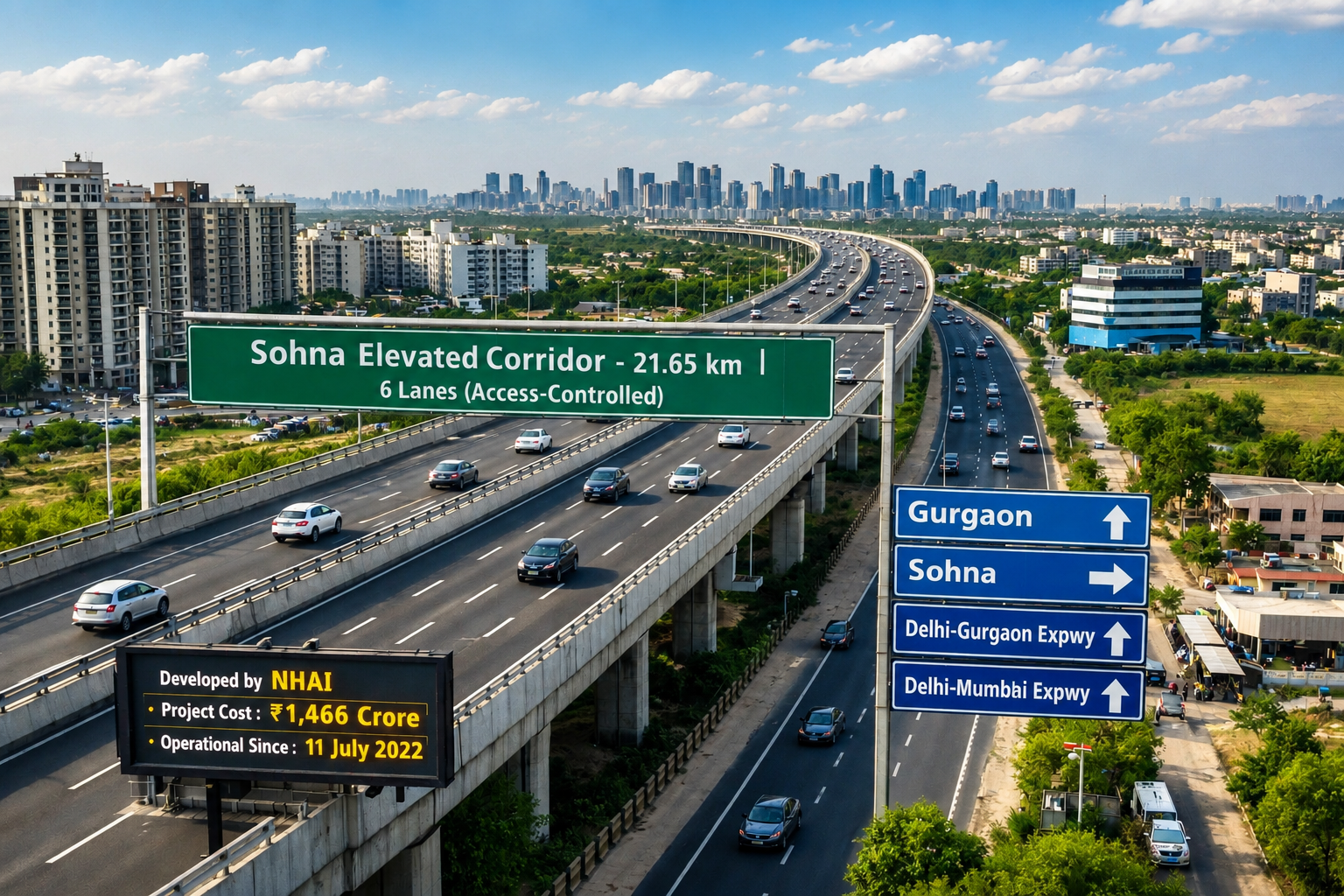
Is Sohna Really the Next Chhatarpur?
Three decades after Chhatarpur redrew South Delhi's map for space, privacy and exclusivity, a familiar pattern is now taking shape further south, and Sohna is where the smart money is beginning to look.
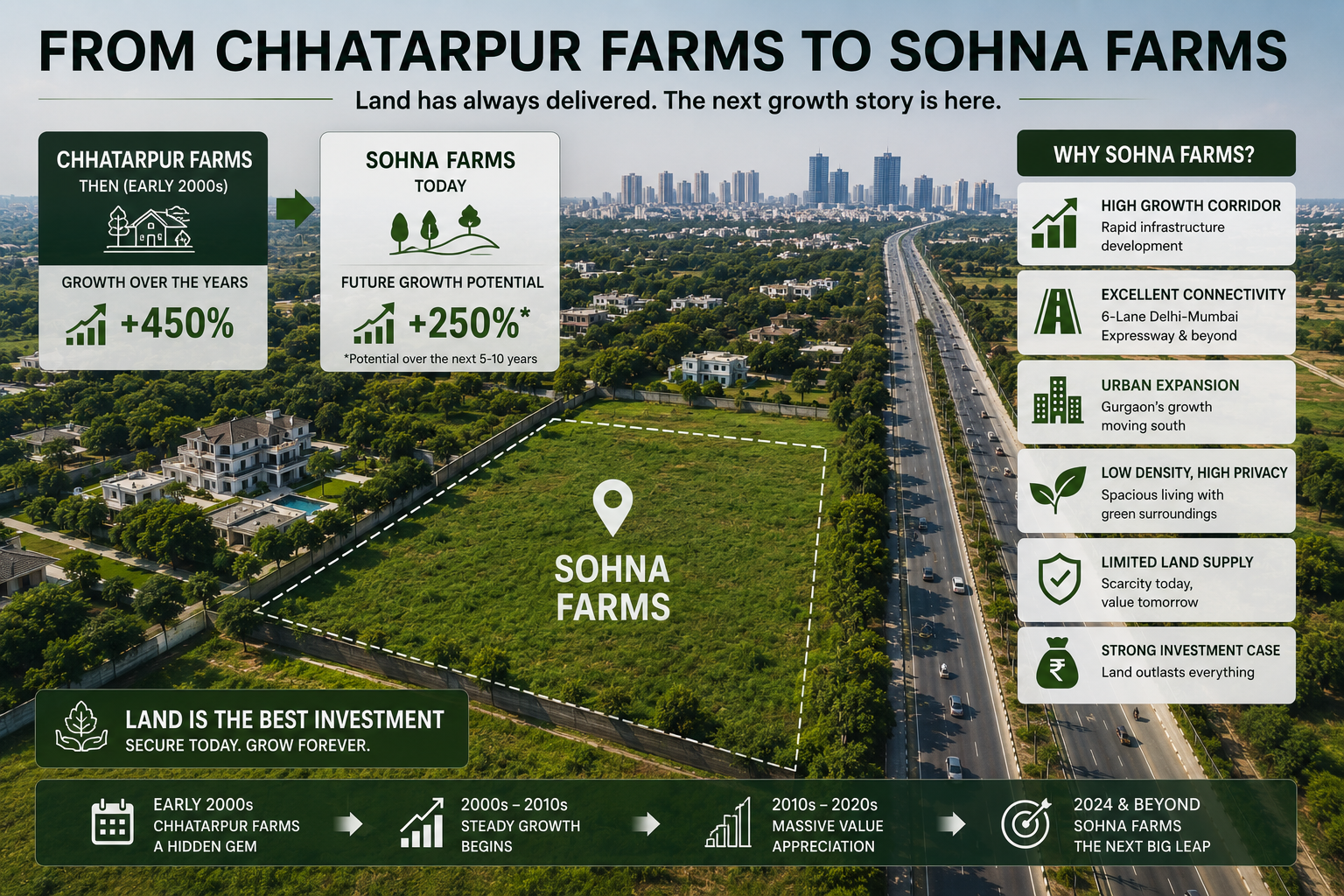
How Chhatarpur Farmhouses Created Multi-Crore Wealth for Early Buyers
What a quiet corner of South Delhi can teach investors about land, scarcity, and long-term wealth creation.

The ₹5 Crore Land Purchase That Became Worth ₹70 Crore
What the Story of DLF Chhatarpur Farms Reveals About Wealth Creation Through Premium Land Ownership
One short email. Stories you can use.
A free, occasional email from our editorial team with our latest features, explainers and reads. Unsubscribe any time — your email stays with us.