DTC Brands Grapple with a High Street Reckoning
Once heralded as retail's future, direct-to-consumer brands now confront the formidable scale and cost efficiencies of established UK incumbents, requiring a recalibration of their growth strategies.

A recent stroll through London's Covent Garden reveals a paradox: Glossier, the quintessential digitally native beauty brand, maintains a bustling physical store, while across town, once-ubiquitous fashion e-tailer ASOS continues to shed market value. This juxtaposition highlights a significant shift in the UK retail landscape, where the direct-to-consumer model, initially celebrated for its disintermediation and agility, is facing mounting pressure from the very bricks-and-mortar giants it sought to circumvent.
The early narrative for DTC brands was compelling: bypass traditional retailers, connect directly with consumers, and capture higher margins through digital channels. This allowed for rapid scaling of niche products, from artisanal coffee to sustainable apparel, often fuelled by venture capital investment. The emphasis was on customer acquisition through targeted social media advertising and seamless online experiences, bypassing the overheads associated with physical retail footprints.
However, the economics of this model have become increasingly challenging. Digital advertising costs have surged, making customer acquisition prohibitively expensive for many. Coupled with rising logistics expenses, particularly in a market like the UK with its complex delivery infrastructure and evolving consumer expectations, the supposed margin advantages have eroded. Many brands find themselves paying a premium to acquire and service each customer, without the benefit of a diversified sales funnel.
The Enduring Power of Incumbents
Established UK retailers, including the major supermarket chains like Tesco and Sainsbury's, alongside department store stalwarts such as Marks & Spencer, have proven remarkably resilient. These firms command unparalleled economies of scale in procurement, distribution, and marketing. Their extensive physical footprints offer convenient pick-up points and a tangible brand presence, which digital pure-plays struggle to replicate cost-effectively.
Furthermore, the integrated offering of traditional grocers, encompassing everything from daily essentials to clothing and home goods, resonates with the British consumer's preference for convenience. The rise of sophisticated online operations from these incumbents, exemplified by Ocado's technology partnership model or the rapid grocery delivery expansions by Tesco and Sainsbury's, demonstrates their capacity to adapt and leverage existing assets.
The notion that a purely digital presence can consistently outcompete the integrated value chain of a multi-channel behemoth is increasingly difficult to sustain, especially in a tightening economic climate where consumer spending is under scrutiny.
Even in fashion, while ASOS and Boohoo captured significant market share by eschewing physical stores, they now contend with the omnichannel strategies of Next and the rejuvenated M&S, which leverage their store networks for returns, click-and-collect, and brand discovery. This blending of online and offline channels by incumbents presents a formidable barrier to entry for smaller DTC players.
The Imperative for Profitability
The era of prioritising growth at any cost for DTC firms is largely over. Investors now demand clear paths to profitability and sustainable unit economics. This shift necessitates a re-evaluation of strategies, potentially involving selective physical retail presence in high-traffic areas, or exploring wholesale partnerships with larger retailers—the very entities they initially sought to bypass. Such collaborations, while sacrificing some margin, could dramatically reduce customer acquisition costs and expand reach.
For DTC brands targeting the UK market, success in the coming years will hinge on an ability to demonstrate robust financial performance, rather than simply top-line growth. This implies a more nuanced approach to market entry and expansion, one that acknowledges the enduring strengths of established retailers and carefully balances digital innovation with the practical realities of a competitive, cost-sensitive landscape.
News Legacy maintains editorial independence. Some recommendations may contain affiliate links. We earn from qualifying purchases at no additional cost to you. Read our policy.
Read Next
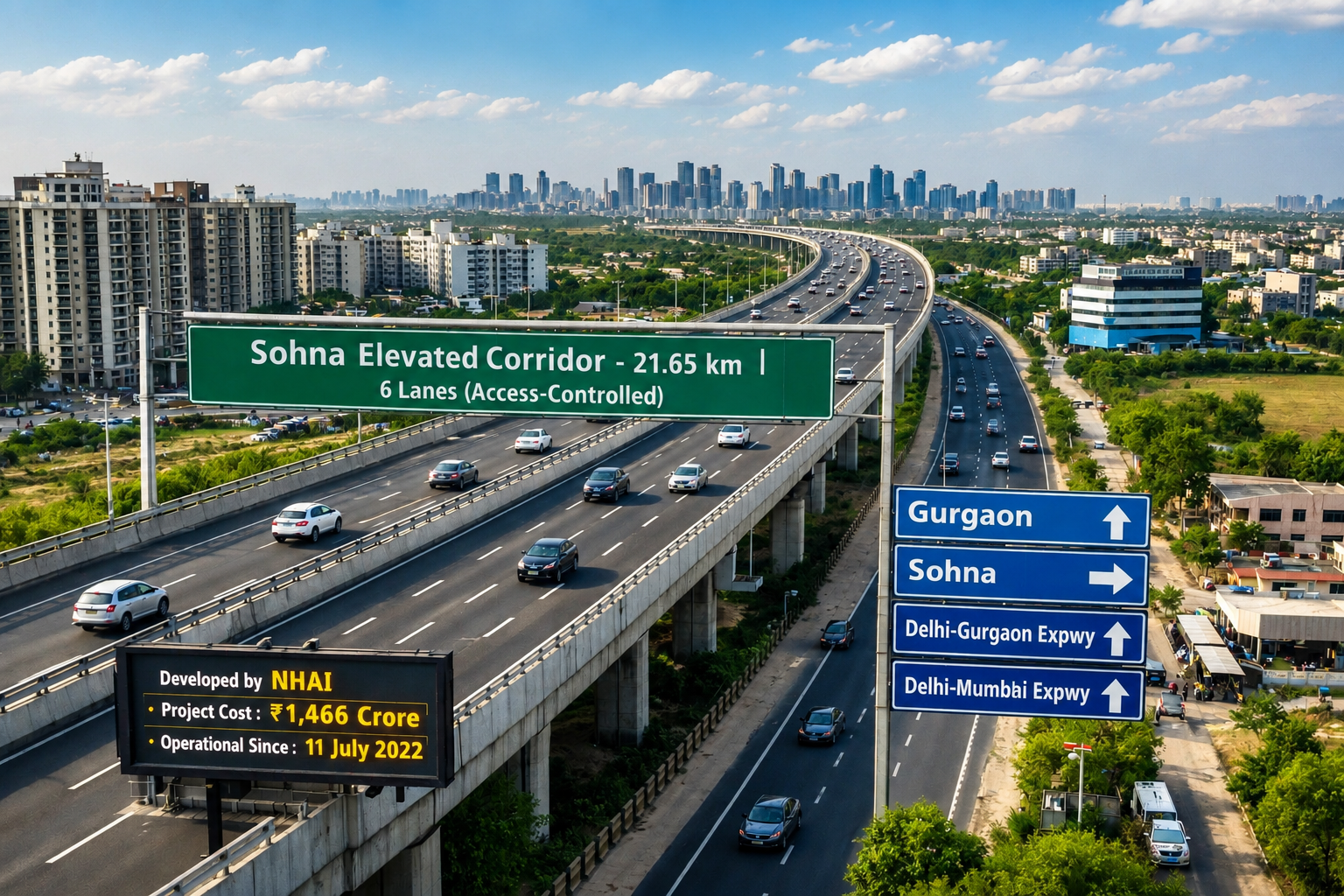
Is Sohna Really the Next Chhatarpur?
Three decades after Chhatarpur redrew South Delhi's map for space, privacy and exclusivity, a familiar pattern is now taking shape further south, and Sohna is where the smart money is beginning to look.
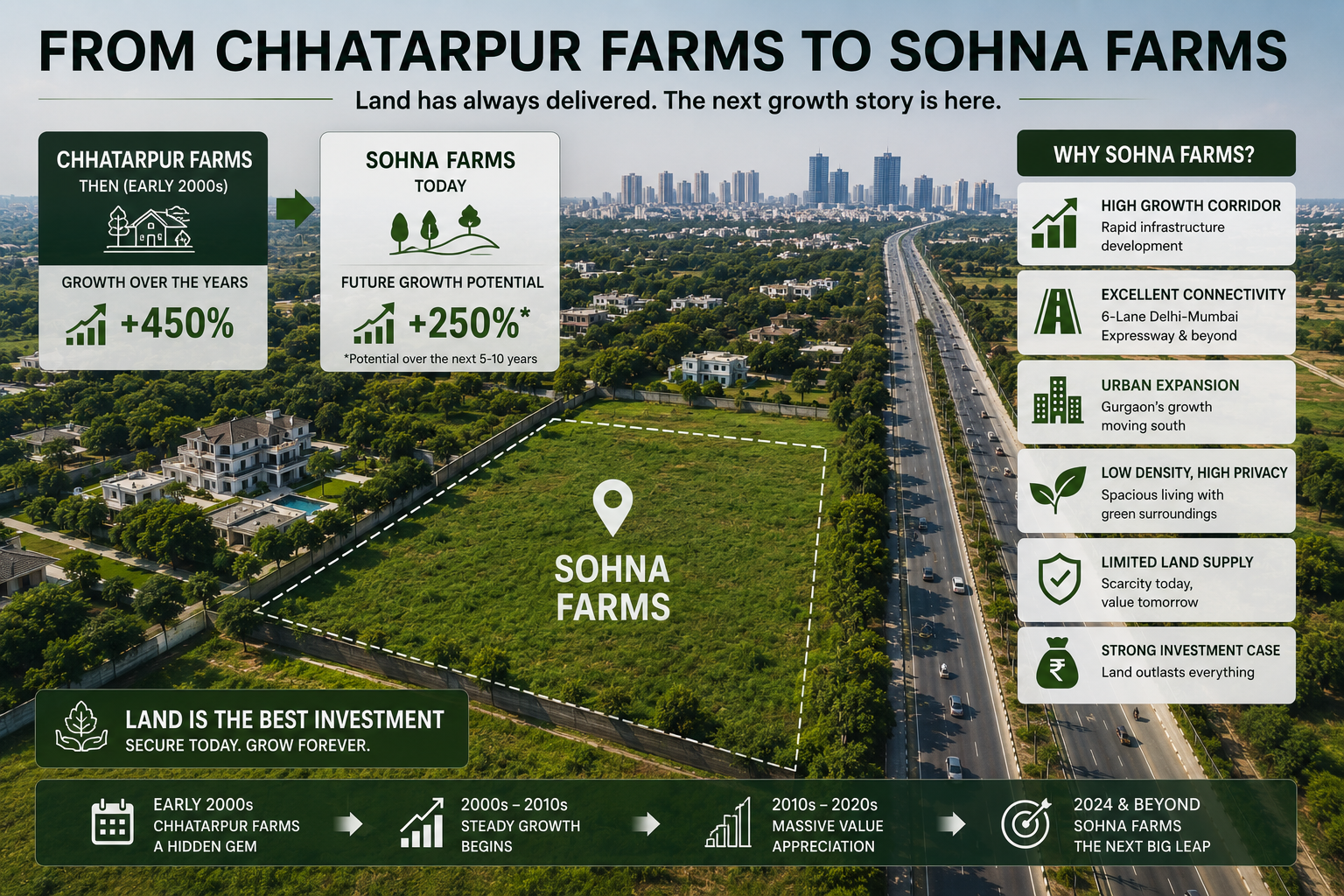
How Chhatarpur Farmhouses Created Multi-Crore Wealth for Early Buyers
What a quiet corner of South Delhi can teach investors about land, scarcity, and long-term wealth creation.
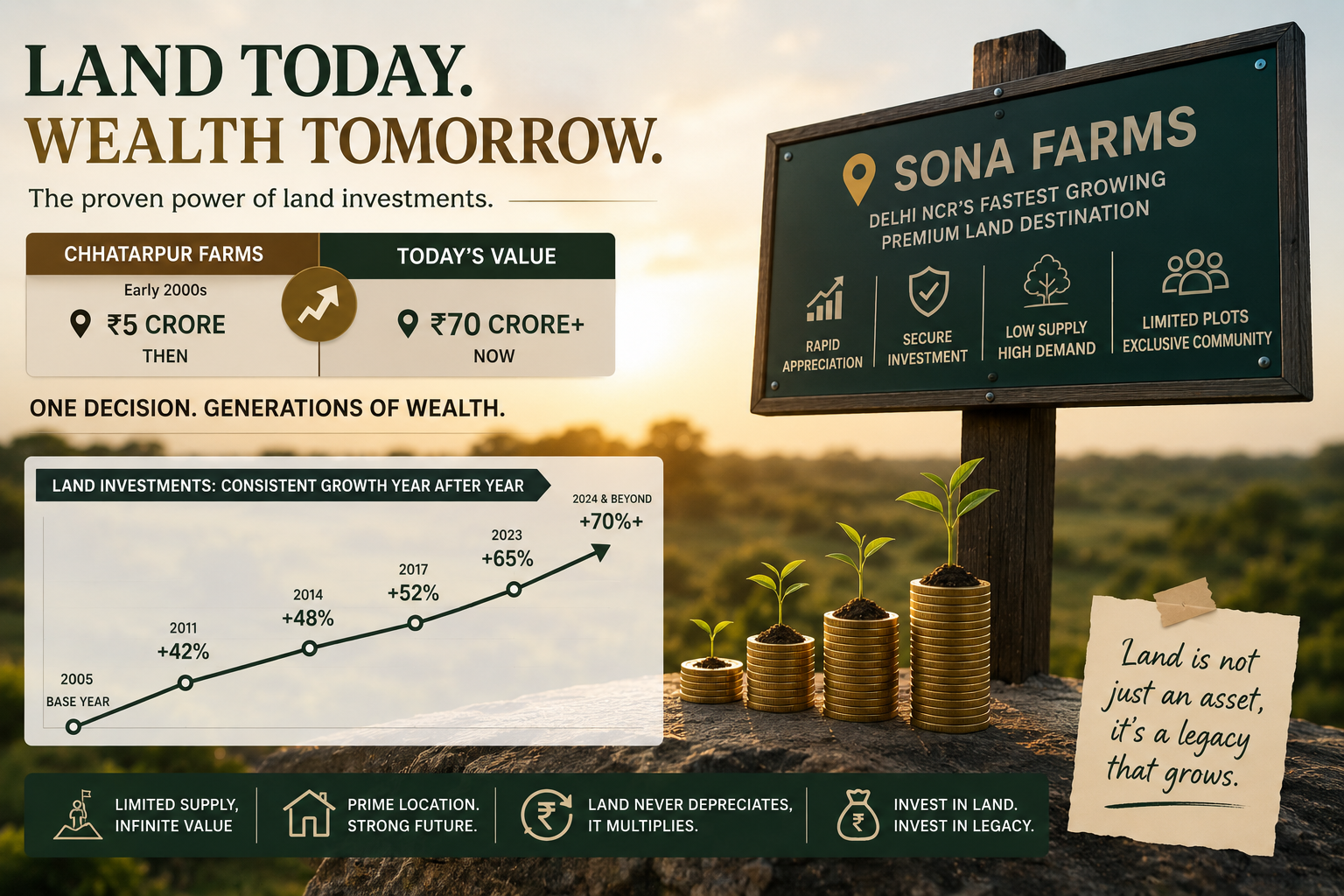
The ₹5 Crore Land Purchase That Became Worth ₹70 Crore
What the Story of DLF Chhatarpur Farms Reveals About Wealth Creation Through Premium Land Ownership
One short email. Stories you can use.
A free, occasional email from our editorial team with our latest features, explainers and reads. Unsubscribe any time — your email stays with us.