DTC Brands Navigate Europe's Platform Power Shift
European direct-to-consumer businesses face an increasingly intricate retail landscape, where scaling relies less on sole independence and more on strategic engagement with dominant regional marketplaces and evolving consumer expectations.

The recent decision by Flink, the German rapid grocery delivery service, to pivot away from its original ultra-fast model towards a more integrated approach with traditional supermarkets like REWE, illustrates a broader recalibration within Europe's direct-to-consumer ecosystem. This move, echoing Gorillas' earlier challenges and ultimate acquisition by Getir, signifies the formidable capital requirements and logistical complexities of building entirely independent retail infrastructure across diverse national markets. For many DTC players, the dream of direct customer ownership is confronting the pragmatic realities of operational expenditure and market penetration.
Europe's fragmented geography and varied regulatory environments present unique hurdles compared to more unified markets. A brand successful in France might find its logistics model or marketing message less effective in Poland or Italy, necessitating tailored strategies. This complexity often pushes DTC companies towards established platforms rather than attempting to replicate comprehensive supply chains from scratch in every territory.
The Platform Imperative
Major European e-commerce platforms are increasingly becoming unavoidable partners, if not direct competitors, for DTC brands seeking scale. Companies like Zalando, originally a fashion retailer, have evolved into sophisticated marketplace behemoths, offering an ecosystem of services from logistics to marketing. For a niche apparel brand, listing on Zalando provides immediate access to millions of customers across multiple EU countries, a reach that would demand prohibitive investment to achieve independently. Similarly, general merchandise platforms like Bol.com in the Netherlands or Allegro in Poland offer crucial inroads into regional consumer bases, often with integrated payment and delivery solutions.
While the allure of direct customer relationships remains potent, the cost of acquiring and retaining those customers independently across twenty-seven distinct markets often renders strategic platform alliances a commercial necessity.
The cross-border dynamic across countries such as Germany, France, Spain, and Italy is also shifting. While consumers increasingly expect international delivery options, local market nuances in returns policies, payment preferences, and even product presentation remain critical. This makes a unified, independent DTC strategy profoundly difficult to execute at scale without significant local investment.
Evolving Retailer Strategies
Traditional retailers are not static. Carrefour and Lidl, for instance, are investing heavily in their own digital capabilities and marketplace models, blurring the lines between traditional brick-and-mortar and pure-play e-commerce. This creates new avenues for DTC brands to reach customers, but also intensifies competition. The rise of second-hand platforms like Vinted, which facilitates consumer-to-consumer sales, also impacts the lifecycle and perceived value of new direct-to-consumer products, particularly in categories like fashion.
For DTC brands, the decision now frequently revolves around finding the optimal balance between maintaining brand control and leveraging platform efficiencies. This often translates into hybrid models: a core direct-to-consumer website for brand building and premium experiences, complemented by strategic listings on regional marketplaces for volume, new customer acquisition, and market testing. The capital efficiency gained from this approach is often substantial, allowing brands to focus resources on product development and core brand narrative rather than extensive logistical network construction. The European landscape mandates adaptability, favouring those who can integrate rather than merely resist.
News Legacy maintains editorial independence. Some recommendations may contain affiliate links. We earn from qualifying purchases at no additional cost to you. Read our policy.
Read Next
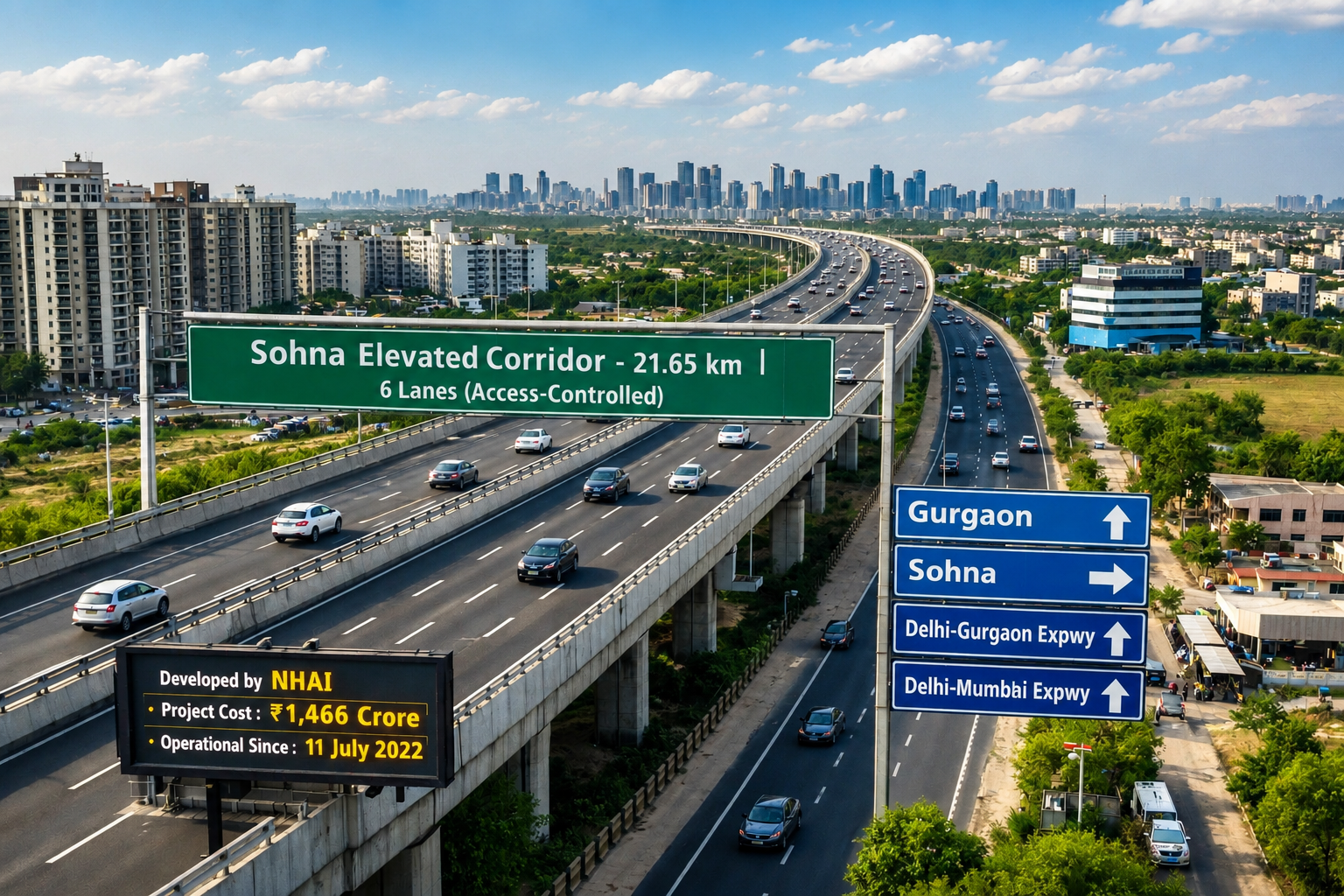
Is Sohna Really the Next Chhatarpur?
Three decades after Chhatarpur redrew South Delhi's map for space, privacy and exclusivity, a familiar pattern is now taking shape further south, and Sohna is where the smart money is beginning to look.
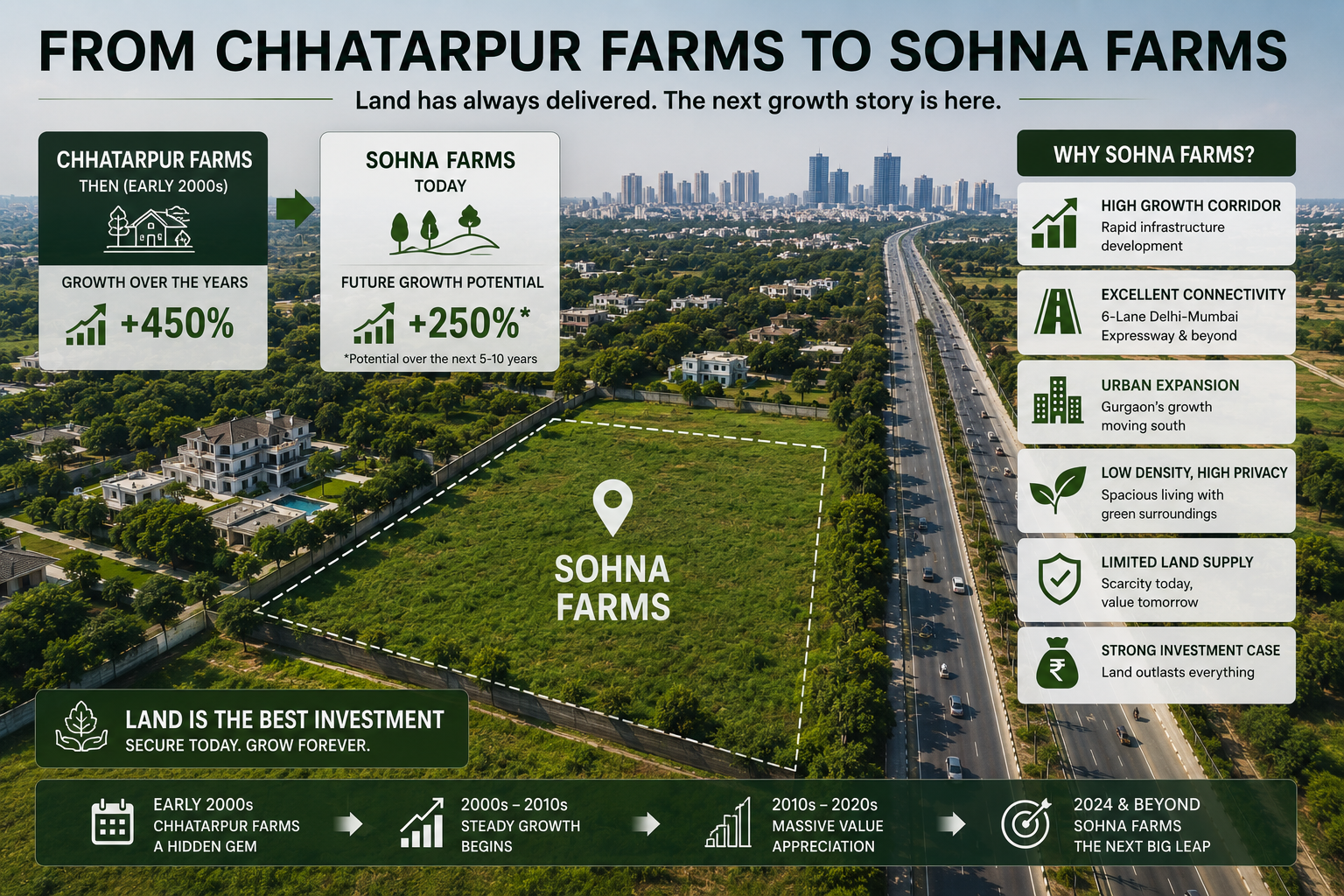
How Chhatarpur Farmhouses Created Multi-Crore Wealth for Early Buyers
What a quiet corner of South Delhi can teach investors about land, scarcity, and long-term wealth creation.
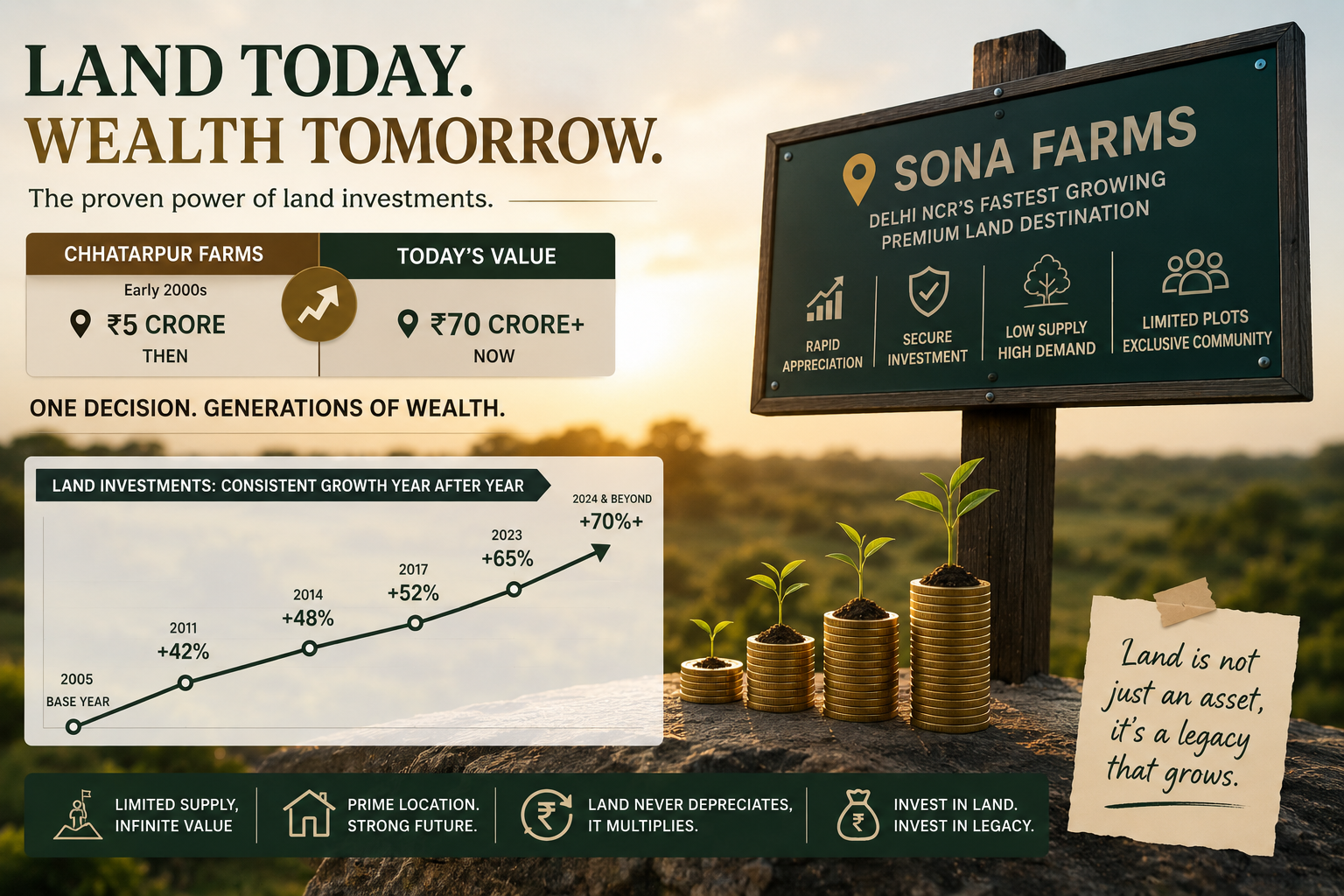
The ₹5 Crore Land Purchase That Became Worth ₹70 Crore
What the Story of DLF Chhatarpur Farms Reveals About Wealth Creation Through Premium Land Ownership
One short email. Stories you can use.
A free, occasional email from our editorial team with our latest features, explainers and reads. Unsubscribe any time — your email stays with us.