DTC Brands Navigate UK Retail's Structural Shifts
Direct-to-consumer businesses face an increasingly complex operational environment in the United Kingdom, as shifting consumer habits and persistent economic pressures redefine avenues for growth.

While high-street mainstays like Marks & Spencer and Tesco continue to recalibrate their digital and physical footprints, a parallel narrative unfolds for the generation of direct-to-consumer (DTC) brands that emerged promising disruption. These digital-first entities, which once circumvented traditional retail channels to foster direct customer relationships, are now encountering significant headwinds, compelling a reassessment of their initial operational tenets and financial models.
The initial proposition of DTC was compelling: bypass intermediaries, control the brand message entirely, and capture higher margins. However, the costs associated with customer acquisition have escalated dramatically. Platforms like Meta and Google, once efficient conduits for targeted advertising, now demand substantially larger marketing outlays to achieve comparable reach. This phenomenon erodes the very margin advantages DTC brands sought to secure.
Furthermore, the infrastructure required for seamless last-mile delivery in the UK has become a critical, and often expensive, operational bottleneck. While grocery services such as Ocado and rapid delivery platforms like Deliveroo and Just Eat have perfected urban logistics, their models are not always easily transferable or cost-effective for smaller, niche DTC players. Managing inventory across disparate fulfilment centres, particularly for brands with diverse product lines, introduces complexities that weigh heavily on profitability.
The Appeal of Physical Presence
Observing the market, a discernible trend indicates DTC brands exploring traditional retail avenues they initially eschewed. The rationale extends beyond mere brand exposure; it addresses the consumer desire for tactile engagement and immediate gratification. Brands that began online are now securing concession spaces within department stores or establishing their own flagship stores. This strategic pivot acknowledges the enduring value of physical retail, not as a replacement for digital, but as a complementary touchpoint.
Consider the strategic shifts at ASOS or Next, both long-established players with robust online presences. Their continued investment in physical retail integration, or in Next's case, acquiring digital-first brands for its platform, underscores a blended commerce approach. For a DTC brand, a physical presence can serve as a highly efficient customer acquisition channel, generating brand recognition and allowing consumers to experience products firsthand, reducing return rates inherent in online-only sales.
The era of pure-play digital dominance is giving way to an integrated commerce model where success hinges on fluidity across channels.
Operational Efficiency and Scalability
The emphasis for many DTC brands has shifted from rapid growth at any cost to sustainable profitability. This often necessitates a rigorous re-evaluation of supply chains and logistics. For companies targeting the UK market, navigating customs and import duties, particularly post-Brexit, adds another layer of complexity and cost that was less pronounced in earlier phases of global expansion.
The UK consumer landscape itself presents unique challenges. Whilst open to innovation, price sensitivity remains a significant factor, especially amidst persistent inflationary pressures. Brands that can demonstrate clear value propositions, whether through superior quality, unique design, or competitive pricing, are better positioned. The ability to scale operations efficiently, from manufacturing to last-mile delivery, without sacrificing quality or escalating costs, will differentiate enduring brands from ephemeral ones. The market demands not just a product, but a highly optimised pathway for its delivery and after-sales support, consistently, and without incurring unsustainable expenditure.
Ultimately, the evolution of the DTC model in the UK reflects a maturation of the digital retail environment. The initial disruptive promise has been tested by economic realities and escalating operational costs. Those brands that successfully integrate digital agility with selective physical presence and highly efficient, localised supply chains are poised to navigate the next phase of retail transformation.
News Legacy maintains editorial independence. Some recommendations may contain affiliate links. We earn from qualifying purchases at no additional cost to you. Read our policy.
Read Next
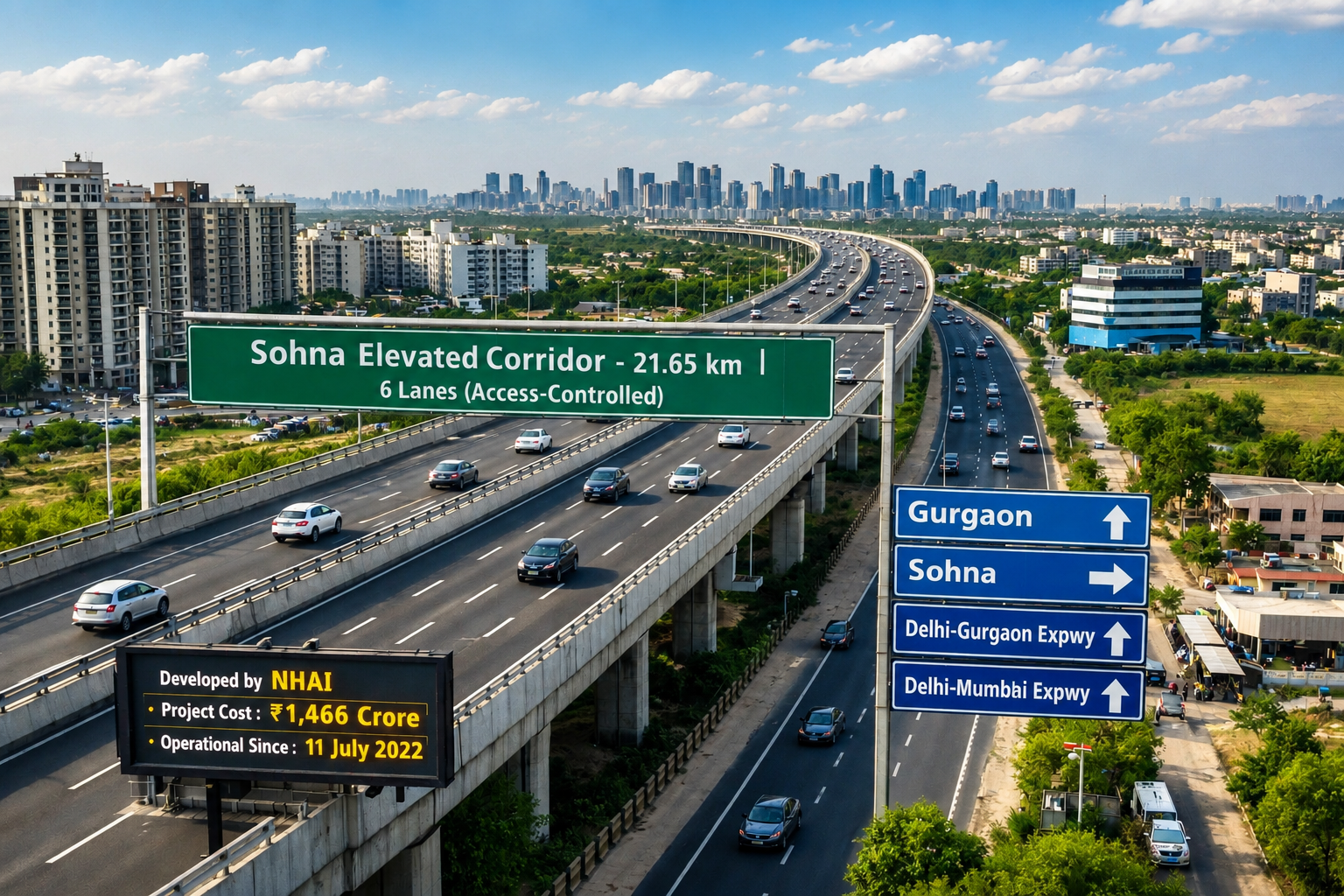
Is Sohna Really the Next Chhatarpur?
Three decades after Chhatarpur redrew South Delhi's map for space, privacy and exclusivity, a familiar pattern is now taking shape further south, and Sohna is where the smart money is beginning to look.
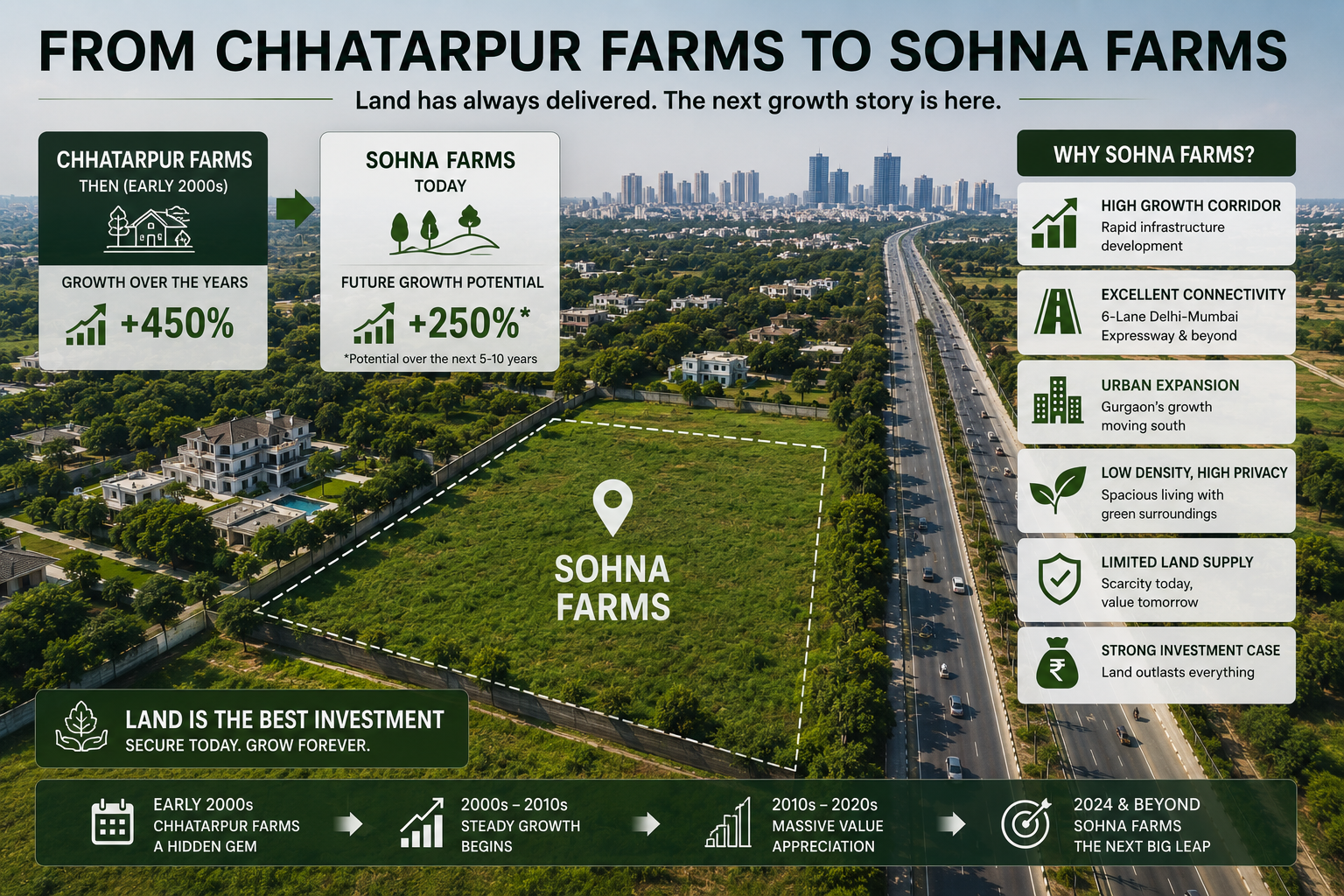
How Chhatarpur Farmhouses Created Multi-Crore Wealth for Early Buyers
What a quiet corner of South Delhi can teach investors about land, scarcity, and long-term wealth creation.

The ₹5 Crore Land Purchase That Became Worth ₹70 Crore
What the Story of DLF Chhatarpur Farms Reveals About Wealth Creation Through Premium Land Ownership
One short email. Stories you can use.
A free, occasional email from our editorial team with our latest features, explainers and reads. Unsubscribe any time — your email stays with us.