DTC's Unsteady Pivot: From Instagram Darling to Profit-Minded Pragmatist
The direct-to-consumer model, once celebrated for disrupting traditional retail, now grapples with the complexities of scaling profitably in a high-interest-rate environment, necessitating a strategic reevaluation of its core tenets.

From its origins as a digital-first challenger brand, Casper Mattress spent over a decade cultivating a direct relationship with its customers. Initially bypassing traditional furniture showrooms, the company prioritized seamless online experiences and doorstep delivery. However, the path to sustained profitability proved elusive, leading to strategies that now include significant partnerships with Amazon, Target, and other brick-and-mortar outlets. This evolution underscores a broader reckoning within the direct-to-consumer (DTC) sector, where the promise of a direct customer line often collides with the formidable economics of scale.
The initial allure of DTC was clear: bypassing intermediaries meant higher margins and direct customer insight. Brands like Warby Parker in eyewear or Away in luggage leveraged social media to build communities and brand loyalty without the historical overhead of extensive physical retail footprints. Venture capital flowed freely into these ventures, predicated on rapid growth and market disruption. Yet, the cost of customer acquisition, particularly through increasingly expensive digital advertising channels on platforms like Meta and Google, gradually eroded these perceived margin advantages. This trend accelerated as privacy changes, exemplified by Apple's App Tracking Transparency framework, made targeted advertising less efficient.
The Scramble for New Sales Channels
Many DTC brands initially viewed wholesale partnerships as a concession, potentially diluting their brand identity or control over the customer experience. Today, such partnerships are increasingly viewed as essential for survival and sustainable growth. For instance, Olaplex, a haircare brand, quickly expanded beyond its professional salon origins into Sephora and Ulta Beauty, and now navigates the complexities of a hybrid distribution model. This shift acknowledges that while brand building online is potent, the sheer volume and immediate gratification of established retail infrastructure are difficult to replicate independently.
The sheer reach of retail giants remains unparalleled. A product listed on Amazon benefits from a logistics network built over decades and consumer trust that few nascent brands can hope to achieve quickly. Walmart and Target offer not only physical shelf space but also sophisticated supply chain management and marketing capabilities that can significantly de-risk expansion for smaller players. Even newer entrants like TikTok Shop, while promising a fresh avenue for discovery, demand dedicated inventory management and a specific content strategy that adds operational complexity.
The romantic notion of a purely direct relationship often crumbles under the weight of last-mile delivery costs and the escalating expense of acquiring new eyeballs in a crowded digital landscape.
Consider the operational complexities. Fulfilling individual orders across the nation requires intricate logistics, often outsourced to third-party providers, which adds cost and reduces control. Retail partnerships, by contrast, allow for larger, more predictable inventory shipments to fewer distribution points, simplifying warehousing and transportation. This is particularly relevant given fluctuating shipping costs and labor shortages that have plagued global supply chains in recent years. For a brand like Glossier, which began with online orders and pop-up shops, its subsequent expansion into Sephora represented a pragmatic pivot toward accessible retail without entirely abandoning its direct-to-consumer roots.
Capital Constraints and Profitability Pressures
The economic environment has also reshaped investor expectations. The era of 'growth at all costs' has largely receded, replaced by demands for clear profitability pathways. With interest rates elevated, capital is more expensive and difficult to secure. This forces DTC companies to scrutinize every expenditure, from marketing budgets to fulfillment overhead. Brands that once prioritized top-line revenue now focus intensely on unit economics, customer lifetime value relative to acquisition cost, and gross margin per order. This shift has led to layoffs at several prominent DTC companies, as they streamline operations to demonstrate fiscal discipline.
The future of DTC is not a wholesale abandonment of its core principles, but rather an integration into a broader, more diversified commercial strategy. Brands must selectively leverage the operational efficiencies of traditional retail while retaining the brand ethos and customer connection that defined their origin. This hybrid model, often dubbed 'omnichannel' with renewed vigor, will likely see more DTC players finding a footing within Costco aisles or utilizing Instacart for same-day delivery, recognizing that convenience and accessibility ultimately drive sales, irrespective of the initial channel strategy. The challenge lies in balancing the brand's unique identity with the pragmatic demands of a competitive marketplace and discerning consumers.
News Legacy maintains editorial independence. Some recommendations may contain affiliate links. We earn from qualifying purchases at no additional cost to you. Read our policy.
Read Next

Is Sohna Really the Next Chhatarpur?
Three decades after Chhatarpur redrew South Delhi's map for space, privacy and exclusivity, a familiar pattern is now taking shape further south, and Sohna is where the smart money is beginning to look.
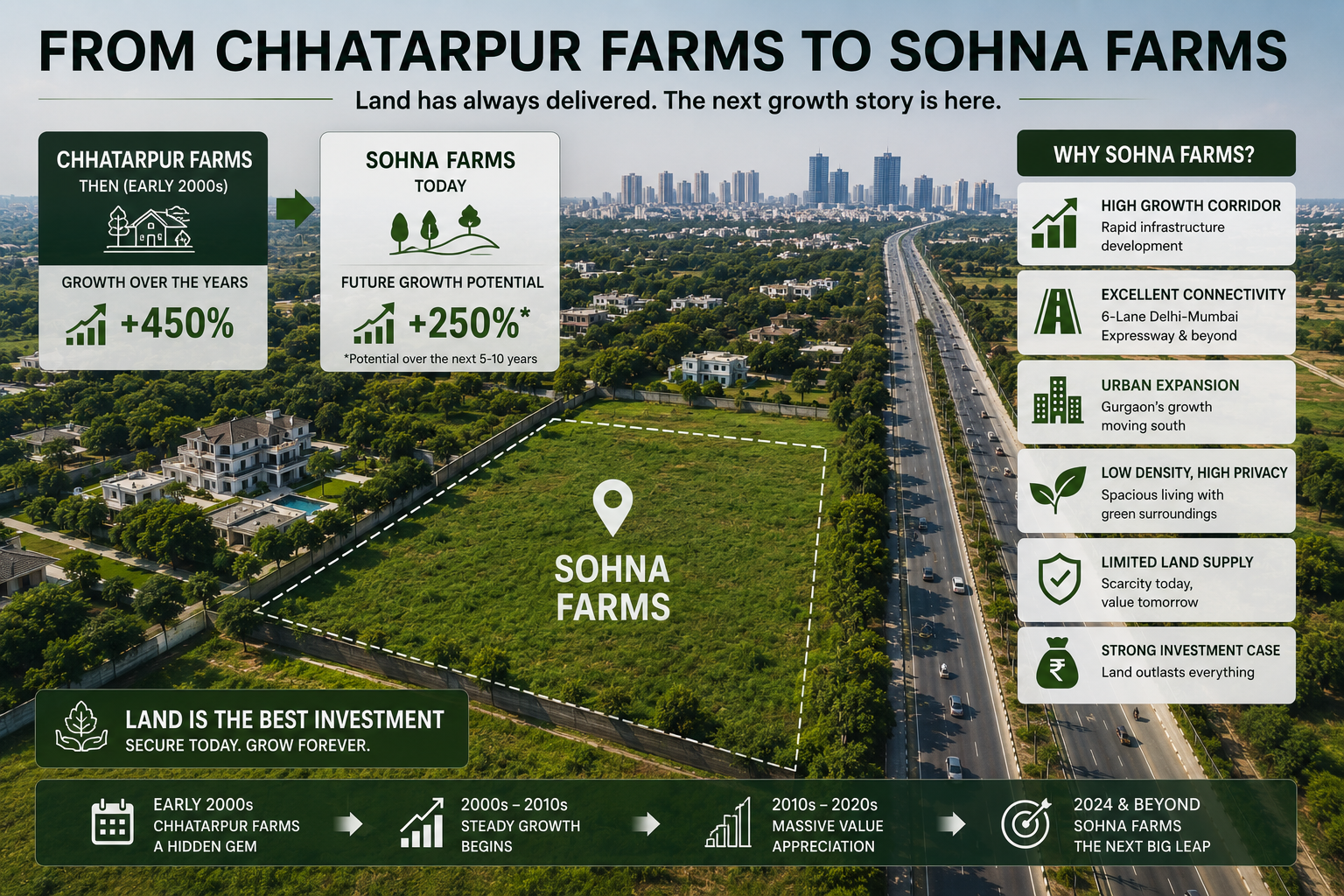
How Chhatarpur Farmhouses Created Multi-Crore Wealth for Early Buyers
What a quiet corner of South Delhi can teach investors about land, scarcity, and long-term wealth creation.
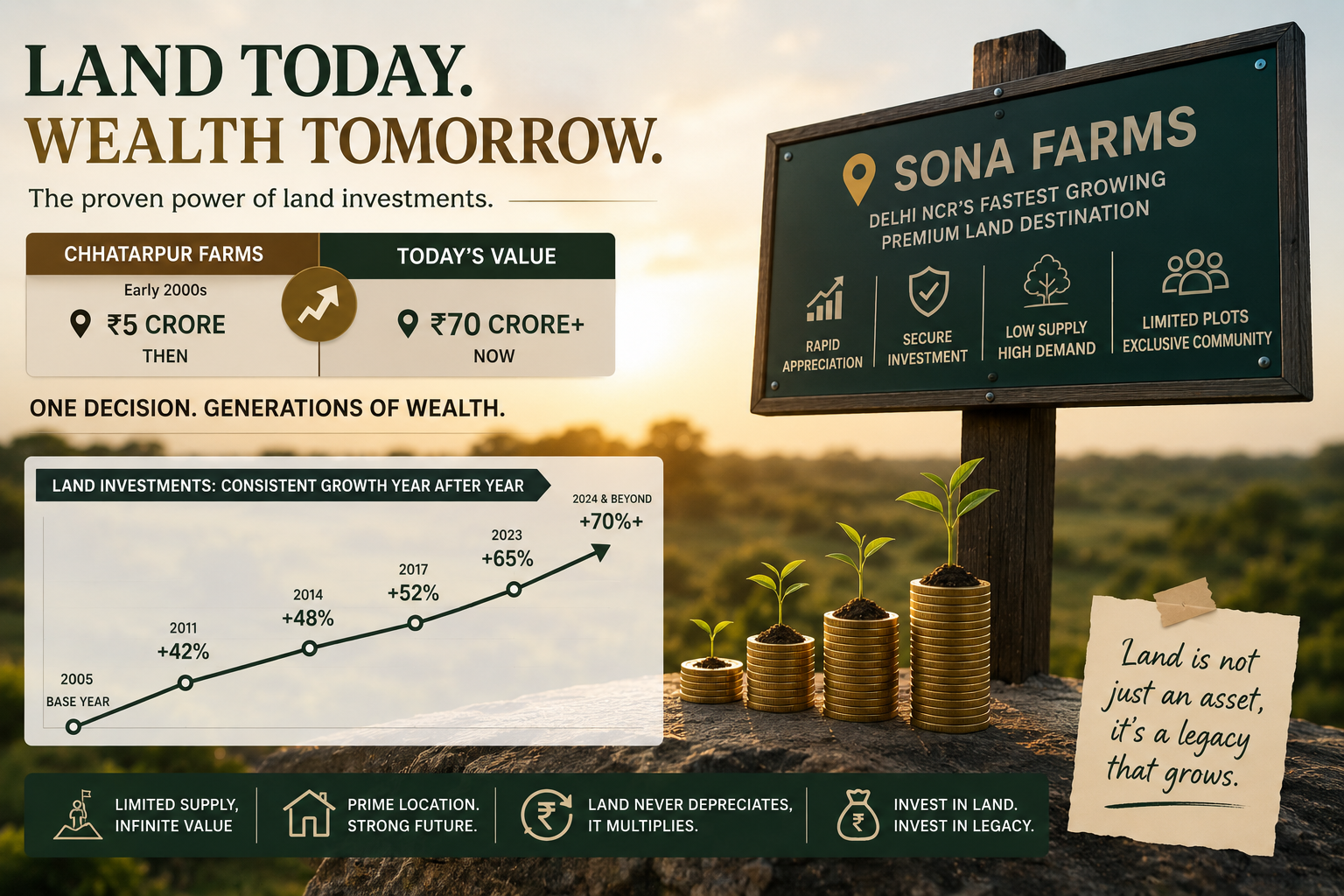
The ₹5 Crore Land Purchase That Became Worth ₹70 Crore
What the Story of DLF Chhatarpur Farms Reveals About Wealth Creation Through Premium Land Ownership
One short email. Stories you can use.
A free, occasional email from our editorial team with our latest features, explainers and reads. Unsubscribe any time — your email stays with us.