Europe's Private-Label Boom Is Quietly Reshaping FMCG
Aldi, Lidl, Mercadona and the major European retailers are now the most powerful brands in their categories — and global FMCG companies are finally adapting.
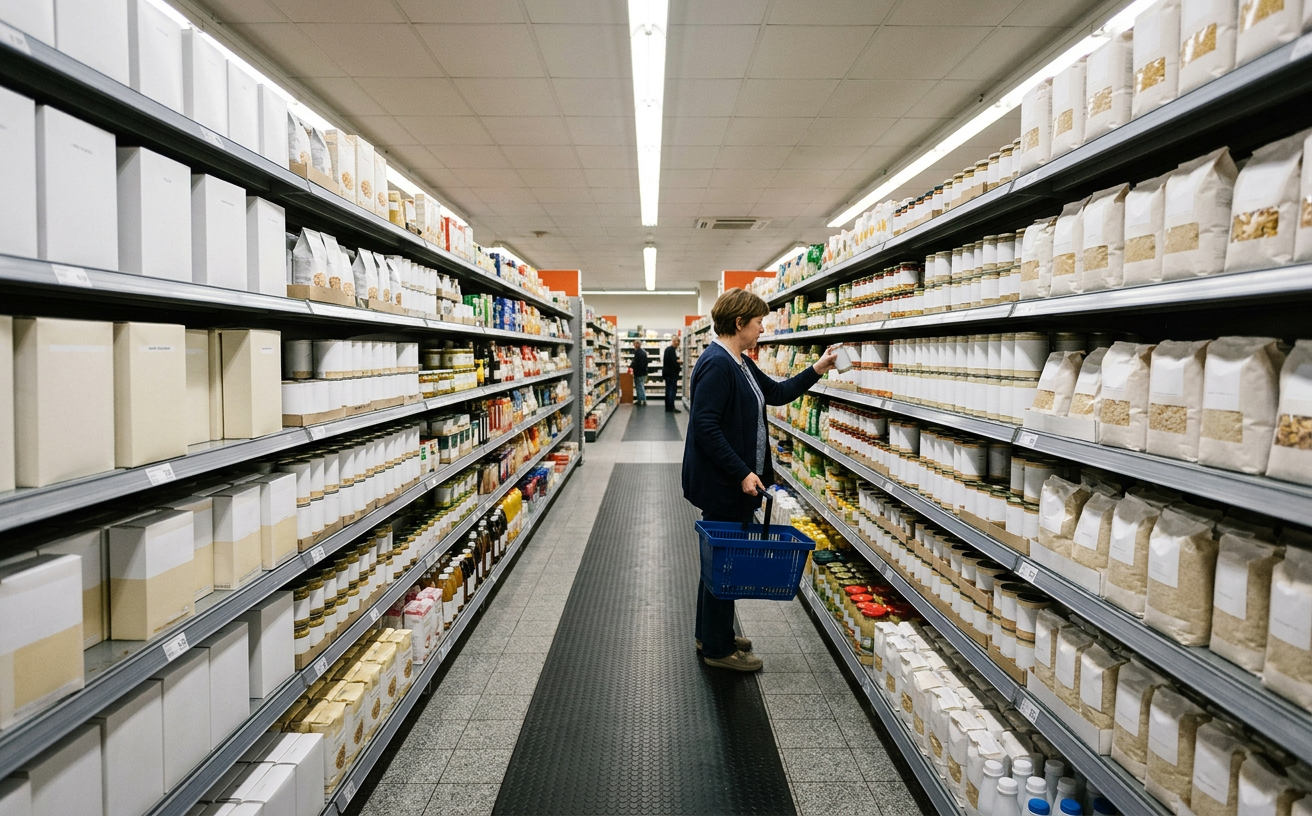
The European private-label story stopped being a recession story a long time ago. Across Germany, Spain, France and the UK, retailer-owned brands now account for record shares of the FMCG basket — and they are no longer competing on price alone, but on quality, design and identity. The story matters because private label has become a structural force, not a cyclical adjustment.
Who is leading Mercadona's Hacendado lines remain the most studied private-label success in global retail. Lidl's premium Deluxe range is genuinely competitive with branded equivalents. Tesco's Finest continues to grow as a real brand in its own right. Aldi's relentless quality investment has changed how mainstream European shoppers think about supermarket-owned brands.
How the global FMCG response is changing Major brand-led FMCG companies are now adjusting innovation, format and pricing strategy specifically against retailer brands rather than each other. Several have begun to consciously cede share at the value end of the market in order to defend premium positioning.
In European grocery, the most powerful consumer brands are increasingly the ones owned by the retailers themselves.
What to watch next Expect further private-label expansion into adjacent categories — beauty, household, premium spirits — and continued strategic reshaping of global FMCG portfolios. For operators and investors, the read-through is clear: global brand portfolios built for the european market need a serious rethink.
News Legacy maintains editorial independence. Some recommendations may contain affiliate links. We earn from qualifying purchases at no additional cost to you. Read our policy.
Read Next
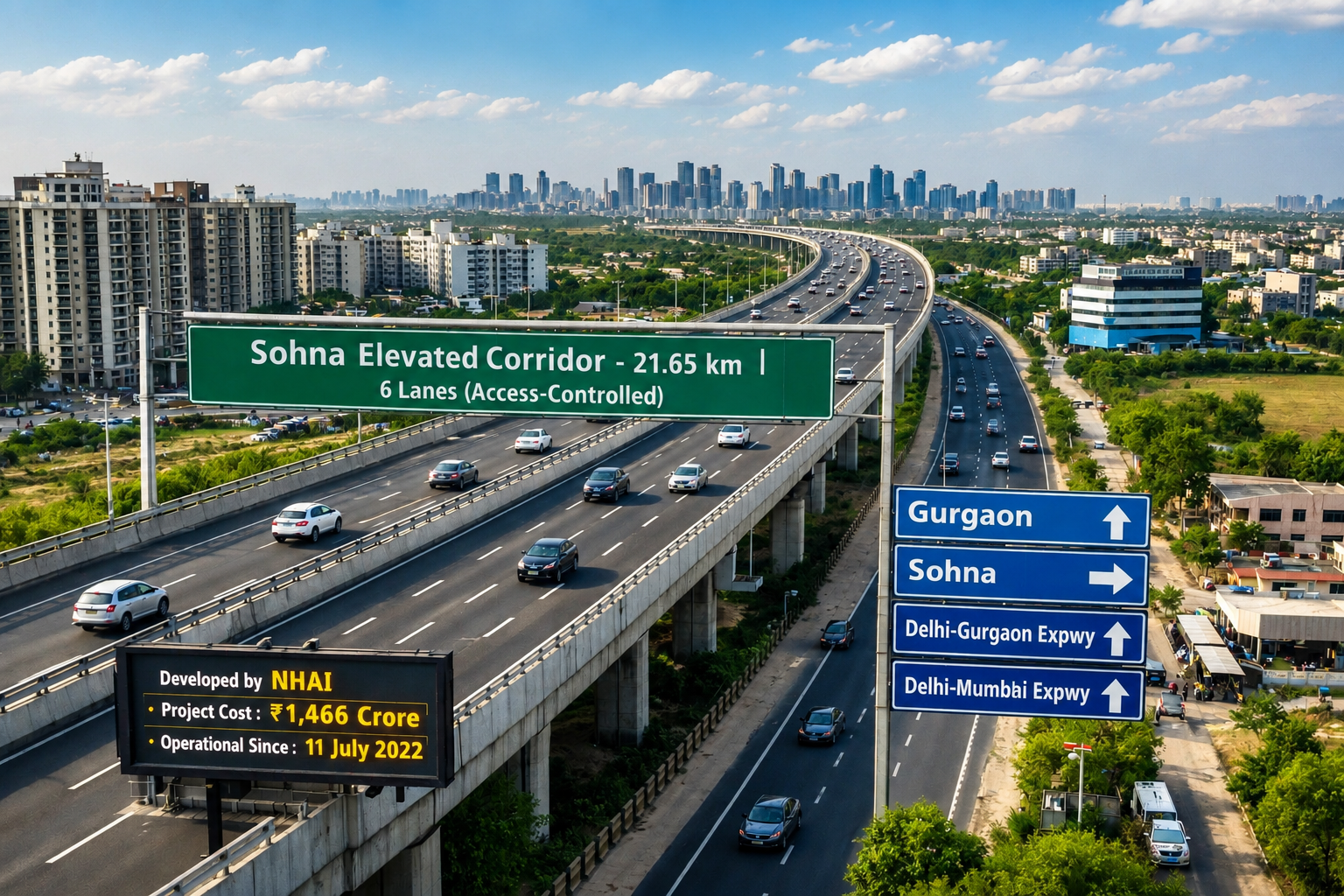
Is Sohna Really the Next Chhatarpur?
Three decades after Chhatarpur redrew South Delhi's map for space, privacy and exclusivity, a familiar pattern is now taking shape further south, and Sohna is where the smart money is beginning to look.
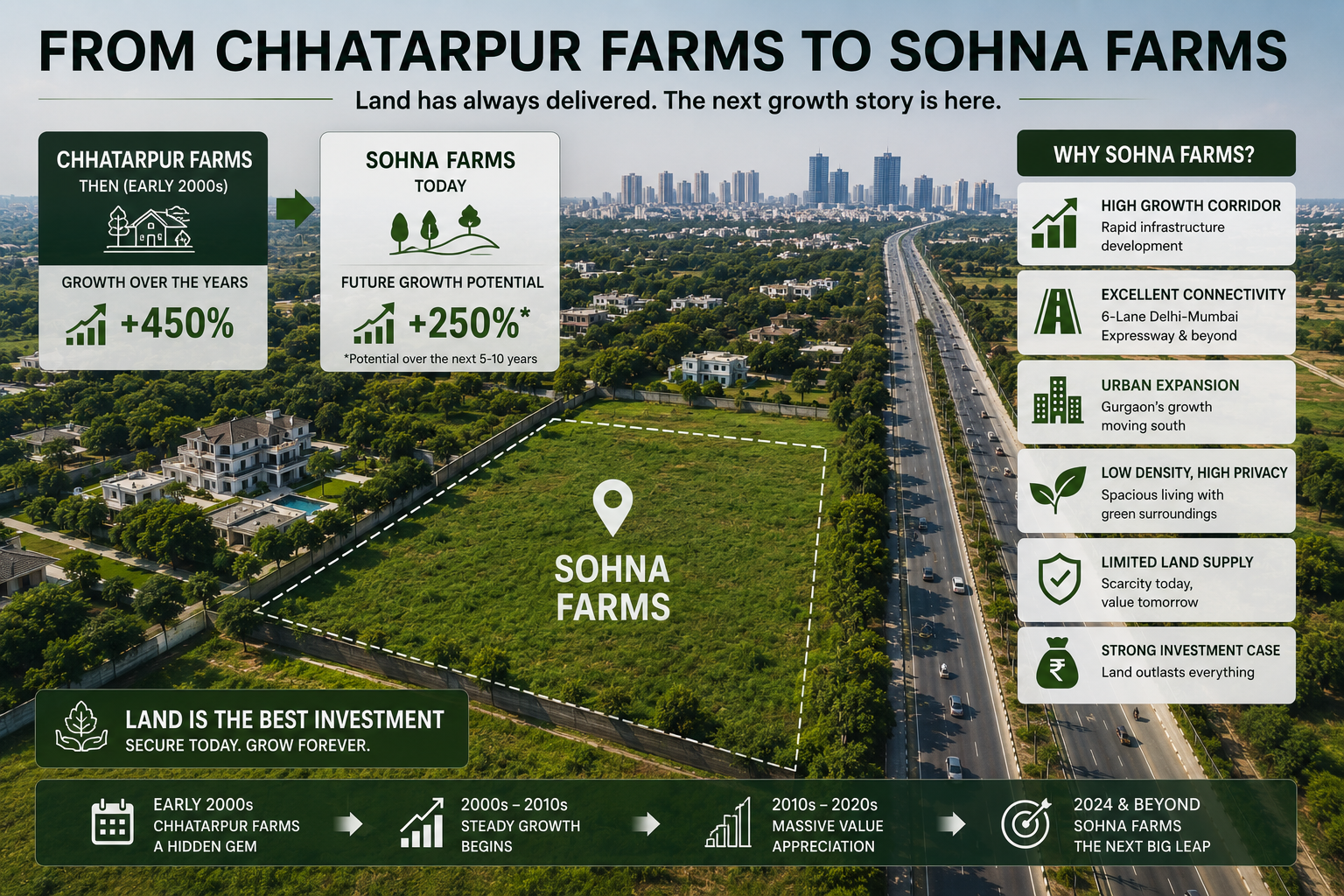
How Chhatarpur Farmhouses Created Multi-Crore Wealth for Early Buyers
What a quiet corner of South Delhi can teach investors about land, scarcity, and long-term wealth creation.
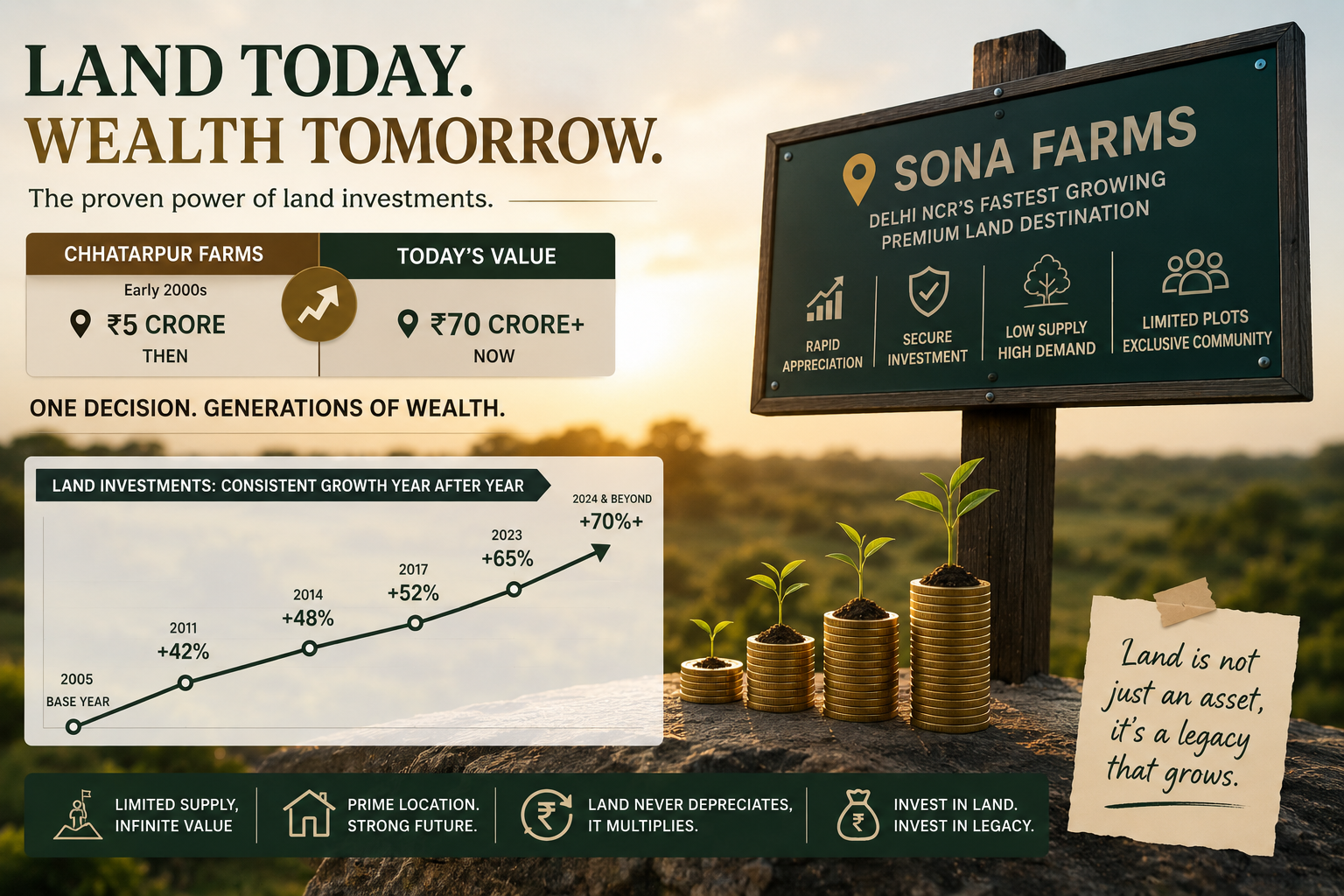
The ₹5 Crore Land Purchase That Became Worth ₹70 Crore
What the Story of DLF Chhatarpur Farms Reveals About Wealth Creation Through Premium Land Ownership
One short email. Stories you can use.
A free, occasional email from our editorial team with our latest features, explainers and reads. Unsubscribe any time — your email stays with us.