Europe's Affiliate Ecosystem Navigates Rising Scrutiny and Market Fragmentation
Across the European Union, the once-uncomplicated domain of affiliate marketing is undergoing a significant transformation, driven by evolving regulatory landscapes and shifting consumer trust.

The digital storefront of Zalando, a dominant force in European fashion e-commerce, exemplifies the intricate web of partnerships underpinning modern retail. Beyond direct advertising, affiliate channels quietly steer millions of potential customers towards its vast inventory each month. Yet, this subtle influence, long a staple of online commerce, now faces increased scrutiny from regulators and a more discerning consumer base across the continent, prompting a strategic re-evaluation of its role and practices.
Affiliate marketing, at its core, involves rewarding external partners, from content creators to price comparison sites, for driving sales or leads. In Europe, this mechanism underpins a substantial portion of online transactions. Companies like Bol.com in the Netherlands, Cdiscount in France, and Allegro in Poland rely on these networks to extend their reach without bearing the full cost of direct advertising until a conversion occurs. This performance-based model has historically offered an efficient path to market for both established retailers and emerging brands.
However, the evolving regulatory environment, particularly concerning data privacy and advertising transparency, is reshaping operational realities. The Digital Services Act (DSA) and national consumer protection bodies are increasingly examining how promotional content is disclosed, how user data is handled, and the authenticity of product recommendations. This pressure is forcing affiliate partners and the brands they represent to adopt more rigorous compliance frameworks.
The Cross-Border Challenge
The inherent fragmentation of the European market presents a unique complexity for affiliate programmes. A campaign that thrives in Germany, leveraging trusted local review sites or coupon portals, may falter in Italy, where social media influencers often hold greater sway, or in Spain, where price sensitivity drives different affiliate engagements. Large grocers like Carrefour and REWE, or discounters such as Lidl, experimenting with online delivery and affiliate incentives, must tailor their approaches not just by country but often by region, acknowledging diverse shopping habits and digital adoption rates.
Cross-border dynamics are further complicated by language barriers and distinct market leaders. While global affiliate networks offer reach, local specialists often possess the intimate knowledge required to connect with audiences in, for example, the Nordics or Poland. The success of platforms like Vinted, a Lithuanian-founded second-hand fashion marketplace, in scaling across multiple European territories has partly relied on understanding these nuanced local digital ecosystems and partnering effectively within them.
The future of affiliate marketing in Europe hinges on its ability to evolve from a purely transactional model to one prioritising genuine value creation and transparent consumer engagement.
The rapid grocery delivery sector, exemplified by the legacy operations of Gorillas and ongoing efforts by Flink, illustrates both the potential and pitfalls. While affiliates could quickly drive customer acquisition during their hyper-growth phases, the underlying economics and sustainability of these models were often disconnected from the short-term gains delivered by aggressive performance marketing. This highlights a broader industry trend: the push for quality conversions over sheer volume.
Looking ahead, the European affiliate landscape will likely see a greater emphasis on brand safety, ethical sourcing of traffic, and integration with broader customer relationship management strategies. As consumers become more adept at identifying sponsored content, the value proposition of affiliate partnerships will increasingly depend on the authenticity and perceived independence of the recommending entity. This shift signals a maturation of the sector, moving it away from opportunistic tactics towards a more integrated and transparent role within the digital commerce value chain.
News Legacy maintains editorial independence. Some recommendations may contain affiliate links. We earn from qualifying purchases at no additional cost to you. Read our policy.
Read Next

Is Sohna Really the Next Chhatarpur?
Three decades after Chhatarpur redrew South Delhi's map for space, privacy and exclusivity, a familiar pattern is now taking shape further south, and Sohna is where the smart money is beginning to look.
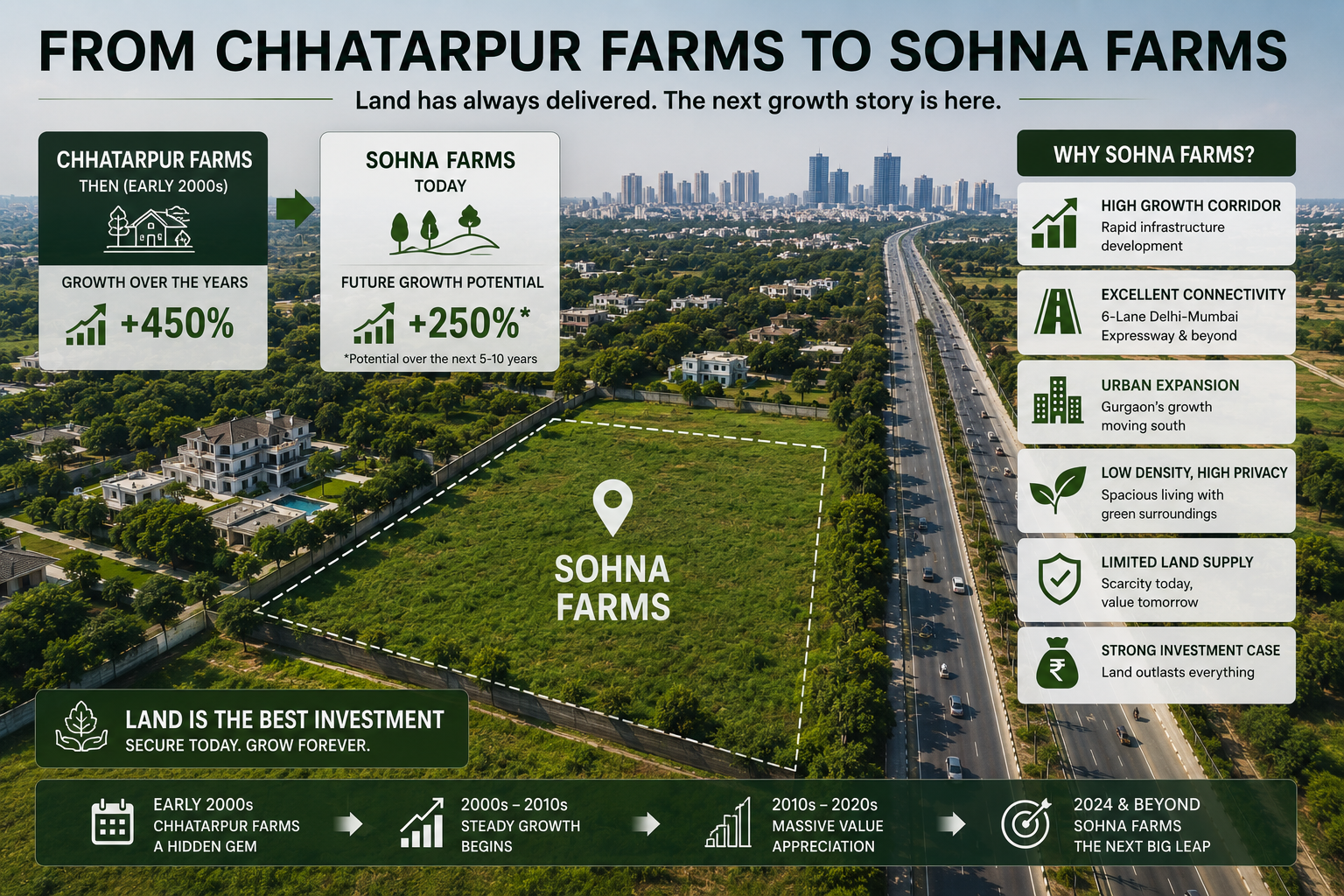
How Chhatarpur Farmhouses Created Multi-Crore Wealth for Early Buyers
What a quiet corner of South Delhi can teach investors about land, scarcity, and long-term wealth creation.
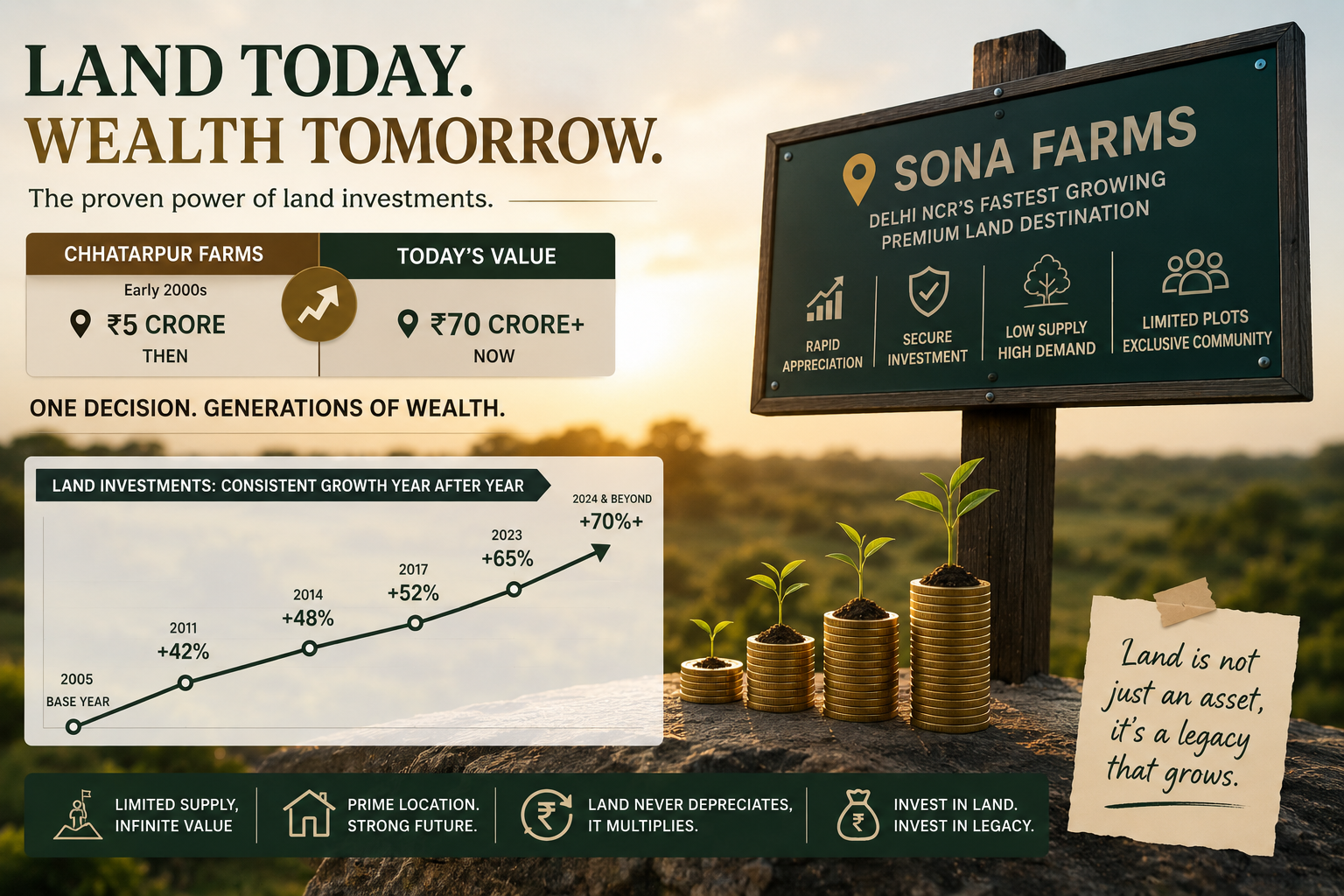
The ₹5 Crore Land Purchase That Became Worth ₹70 Crore
What the Story of DLF Chhatarpur Farms Reveals About Wealth Creation Through Premium Land Ownership
One short email. Stories you can use.
A free, occasional email from our editorial team with our latest features, explainers and reads. Unsubscribe any time — your email stays with us.