Europe's Creator Commerce Evolution: Platforms and Marketplaces Vie for Direct Sales
Across the European Union, the convergence of social media influence and direct-to-consumer retail is reshaping how brands connect with consumers. Traditional marketplaces and nascent creator platforms are developing sophisticated strategies to capture this burgeoning revenue stream.

At a warehouse in Germany, a popular lifestyle influencer recently demonstrated a new kitchen gadget, linking directly to a purchase page hosted not by Amazon, but by an emerging creator-centric commerce platform. This scenario, once niche, now illustrates a fundamental shift within European retail: the increasing bypass of conventional advertising channels in favour of direct, authenticated endorsement. The stakes are considerable for both established online retailers like Zalando and Allegro, and newer entrants seeking to leverage personal connection for transactional impact.
The trajectory of creator commerce in Europe diverges somewhat from its American and Asian counterparts. While live shopping has seen significant traction in China, for example, European consumers often prefer more curated, asynchronous content. This preference is driving investment into integrated storefronts and sophisticated affiliate programmes, where influencers can showcase products and earn commissions directly from sales without relying solely on external links to major e-commerce sites.
The Platform Play: Marketplaces Adapt
Established players are actively adjusting their strategies. French e-commerce giant Cdiscount, along with German and Polish counterparts, has begun to integrate more robust affiliate marketing tools, allowing creators to earn higher commissions on direct sales. This move aims to retain talent within their ecosystems and prevent traffic diversion to nascent, dedicated creator platforms. Retailers such as Bol.com in the Netherlands are exploring direct integrations with content management systems popular with influencers, streamlining the process from content creation to purchase.
The financial implications are substantial. While precise pan-European figures remain fluid, industry estimates suggest the creator economy across the EU generated over €5 billion in direct commerce revenue in 2023, with projections for double-digit growth annually over the next three years. This includes commissions on sales, brand partnerships that lead to direct purchases, and creators launching their own product lines.
The allure of creator-led sales for brands lies in its perceived authenticity and the ability to reach highly segmented audiences with minimal advertising spend.
Beyond general merchandise, specialised verticals are also witnessing rapid adoption. Vinted, the Lithuanian-based second-hand fashion marketplace, benefits significantly from peer-to-peer recommendations and styling content generated by its users. Even grocery retailers, traditionally slower to embrace digital innovation, are exploring partnerships; REWE and Carrefour have initiated pilot programmes featuring local food bloggers demonstrating recipes and linking to ingredient purchases.
Cross-Border Opportunities and Challenges
The fragmented nature of the European market, with its diverse languages and regulatory landscapes, presents both opportunities and challenges for scaling creator commerce. A fashion influencer based in Milan, for instance, might seamlessly promote a designer item to followers in Spain and France. However, managing localised product availability, differing consumer protection laws, and cross-border payment solutions requires significant technological and logistical infrastructure. This complexity can favour larger, more established platforms with robust international operations.
Furthermore, lessons from the rapid rise and subsequent struggles of quick commerce firms like Gorillas and Flink are being observed closely. While these companies initially harnessed influencer marketing effectively to drive rapid adoption, the underlying economic models proved challenging. Creator commerce platforms are thus focusing on sustainable, value-driven partnerships rather than short-term acquisition spikes. The emphasis is shifting towards long-term engagement and the cultivation of genuine trust between creators and their audiences, rather than purely transactional, fleeting interactions. This approach is deemed crucial for fostering enduring commercial success in the competitive European landscape.
News Legacy maintains editorial independence. Some recommendations may contain affiliate links. We earn from qualifying purchases at no additional cost to you. Read our policy.
Read Next

Is Sohna Really the Next Chhatarpur?
Three decades after Chhatarpur redrew South Delhi's map for space, privacy and exclusivity, a familiar pattern is now taking shape further south, and Sohna is where the smart money is beginning to look.
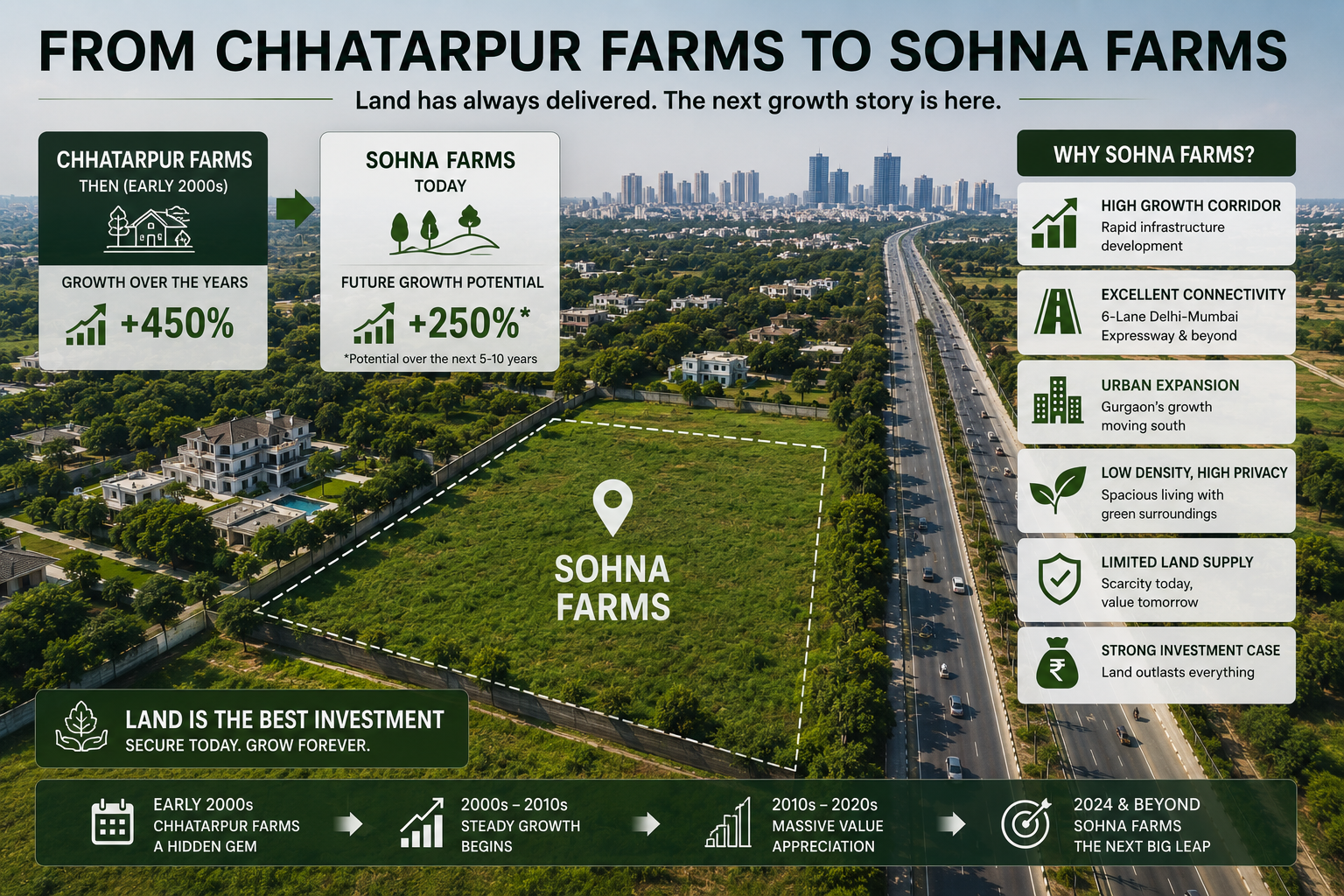
How Chhatarpur Farmhouses Created Multi-Crore Wealth for Early Buyers
What a quiet corner of South Delhi can teach investors about land, scarcity, and long-term wealth creation.
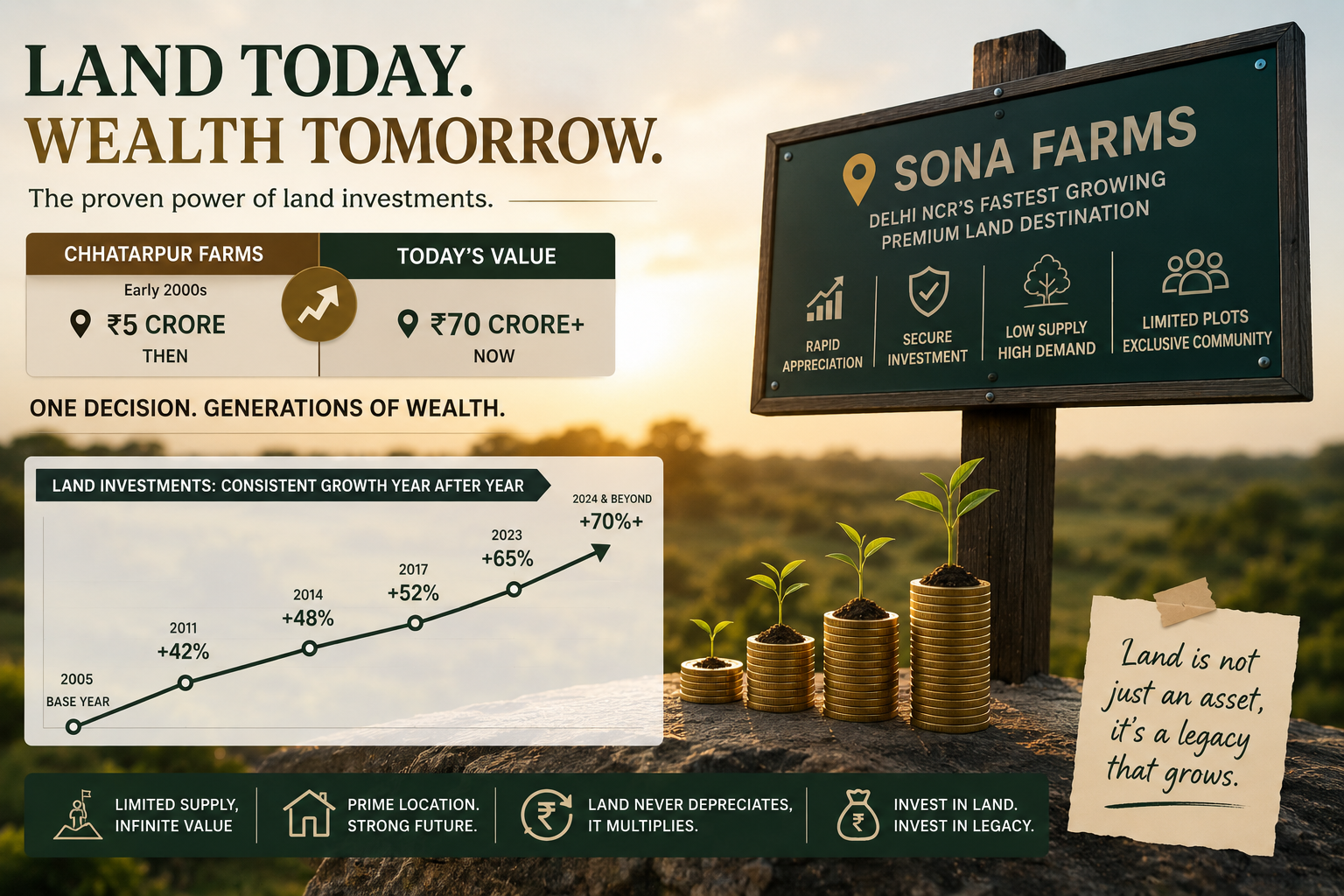
The ₹5 Crore Land Purchase That Became Worth ₹70 Crore
What the Story of DLF Chhatarpur Farms Reveals About Wealth Creation Through Premium Land Ownership
One short email. Stories you can use.
A free, occasional email from our editorial team with our latest features, explainers and reads. Unsubscribe any time — your email stays with us.