Europe's Digital Bazaar: Fragmentation and Fusion in the Marketplace Economy
The continental European marketplace landscape, once seen as a patchwork of national champions, is evolving through strategic mergers, cross-border expansion, and intense competition from diverse retail models. This dynamic redraws the battle lines for consumer spend.

From its Polish origins, Allegro's expansion into Czechia and Slovakia, following its acquisition of Mall.cz, illustrates a broader trend shaping European e-commerce. While often viewed as a single bloc, the European Union's digital retail environment remains distinctively fragmented, a characteristic both challenging for pan-European ambitions and protective for local incumbents. Understanding these nuances is crucial for deciphering the next phase of growth and consolidation.
The inherent linguistic diversity and differing consumer habits across borders, from the fashion preferences of Milan to the electronics demands of Munich, have historically nurtured national or regional e-commerce giants. Zalando, initially focused on fashion, has meticulously built a significant presence across Germany, France, and Italy, while Bol.com remains a dominant force in the Netherlands and Belgium. France's Cdiscount competes intensely within its domestic market, albeit with varying degrees of success compared to Amazon's pervasive reach.
The Evolving Ecosystem of General Merchandise
General merchandise marketplaces face a complex calculus. The sheer breadth of products means deep logistics networks are essential, alongside sophisticated vendor management. European players like Allegro have demonstrated that a strong local heritage and a tailored approach to payments and fulfilment can fend off, or at least slow, the advance of global behemoths. Their strategy often involves a nuanced understanding of local holidays, preferred payment methods, and delivery expectations, which can vary significantly between, for instance, Spain and Sweden.
Beyond general merchandise, specialised marketplaces are also carving out significant niches. Vinted's success in second-hand fashion, spanning from France to Germany and beyond, demonstrates the power of a focused value proposition. This specialisation allows for a deeper connection with a particular consumer segment, often transcending national borders more easily than generalist platforms, as the product category itself creates a unifying demand.
The strategic acquisition or organic scaling of marketplaces across the continent often hinges on a delicate balance between local adaptation and leveraging pan-European logistical efficiencies. This tension defines much of the competitive landscape.
The rapid grocery delivery sector, exemplified by Gorillas' expansion and subsequent acquisition by Getir, alongside Flink's ongoing operations, illustrates another dimension of marketplace evolution. While these were often built on a 'dark store' model rather than a pure marketplace for third-party sellers, their operational mechanics and consumer acquisition strategies mirror those of broader e-commerce platforms. Their struggle highlights the capital intensity and narrow margins inherent in certain high-frequency, low-basket-size segments.
Traditional retailers, including titans like Carrefour and REWE, have not been idle. Many have launched or significantly expanded their own online marketplaces, inviting third-party sellers to diversify their offerings beyond direct retail. Lidl, too, has been active in expanding its digital footprint across several European markets. This 'retailer-as-marketplace' model aims to leverage existing brand trust and supply chain infrastructure, providing a hybrid approach that blurs the lines between traditional retail and platform economics.
The next several years will likely see continued strategic consolidation and diversification. Companies with strong regional footholds, like those in Poland's Allegro or the Nordics' various digital leaders, may seek further cross-border expansion through acquisition. Simultaneously, the pressure to offer a compelling value proposition in an increasingly crowded digital landscape will intensify, driving innovation in areas like sustainable commerce, faster delivery options, and personalised consumer experiences. The European marketplace story is one of enduring national characteristics meeting unifying digital forces, forging a complex, multi-layered competitive terrain.
News Legacy maintains editorial independence. Some recommendations may contain affiliate links. We earn from qualifying purchases at no additional cost to you. Read our policy.
Read Next

Is Sohna Really the Next Chhatarpur?
Three decades after Chhatarpur redrew South Delhi's map for space, privacy and exclusivity, a familiar pattern is now taking shape further south, and Sohna is where the smart money is beginning to look.
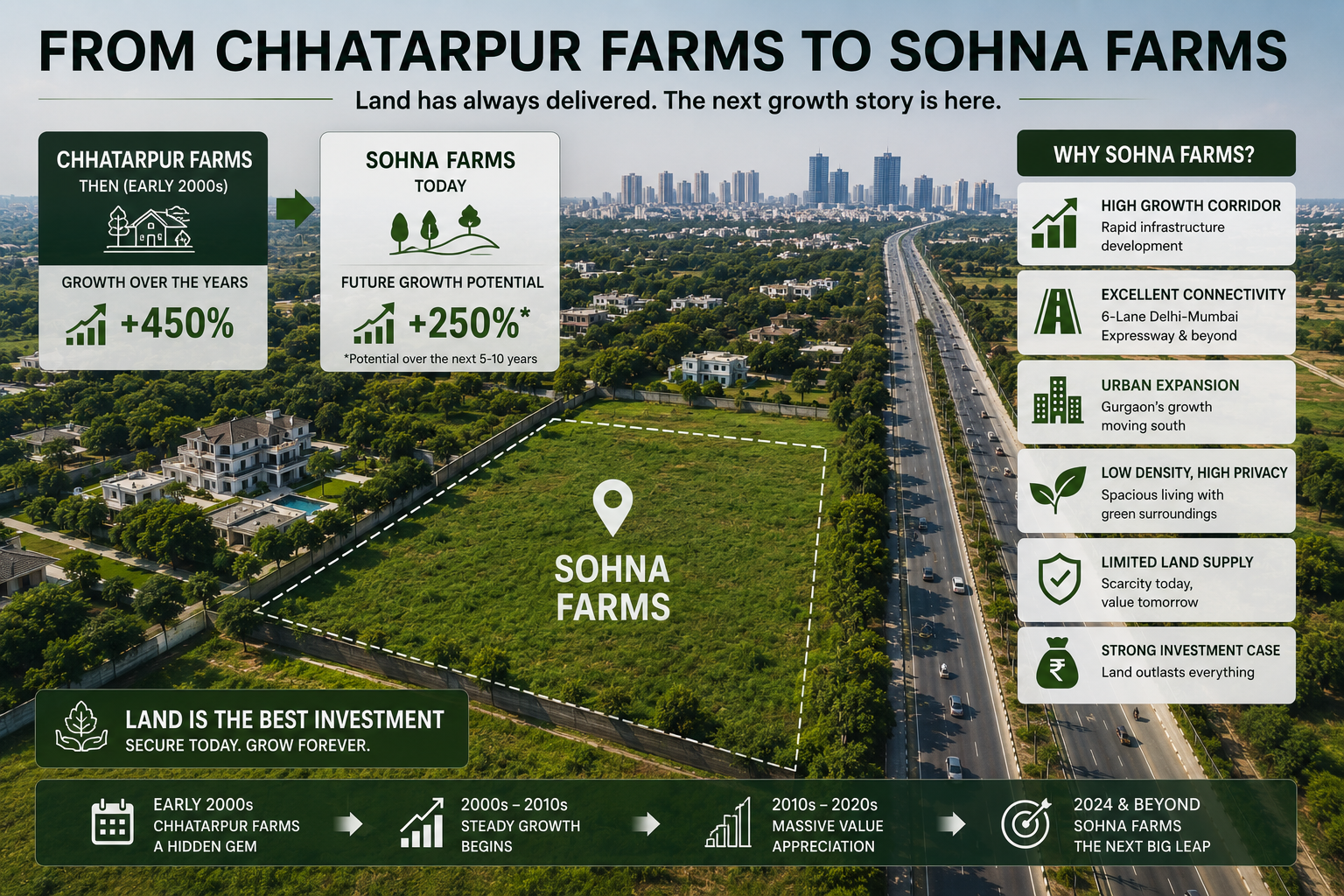
How Chhatarpur Farmhouses Created Multi-Crore Wealth for Early Buyers
What a quiet corner of South Delhi can teach investors about land, scarcity, and long-term wealth creation.
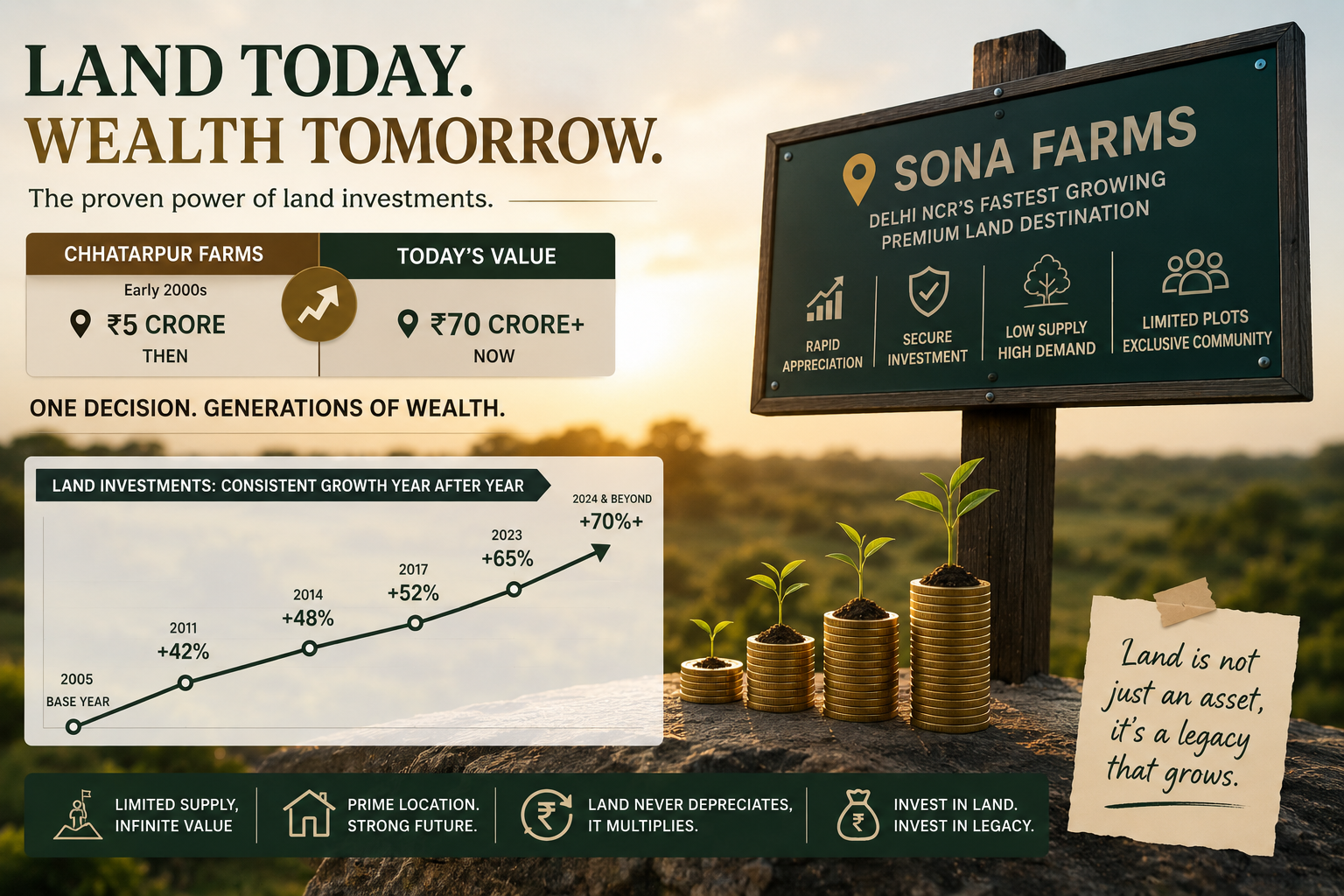
The ₹5 Crore Land Purchase That Became Worth ₹70 Crore
What the Story of DLF Chhatarpur Farms Reveals About Wealth Creation Through Premium Land Ownership
One short email. Stories you can use.
A free, occasional email from our editorial team with our latest features, explainers and reads. Unsubscribe any time — your email stays with us.