Europe's Digital Marketplace: Fragmented Fortresses and Cross-Border Currents
The ambition for a seamless digital single market across the European Union confronts persistent national preferences and entrenched local players, shaping a complex landscape for retailers and consumers alike.

While Amazon continues its formidable expansion across the continent, its dominance in certain European markets is far from absolute. In Poland, Allegro maintains a commanding lead, a stark illustration of how local champions frequently outmanoeuvre global behemoths. This dynamic underscores a deeper truth about European e-commerce: its structure is less a homogeneous plain and more a collection of distinct ecosystems, each with its own characteristics and incumbents.
The vision of a fully integrated digital single market, often invoked by Brussels, remains largely aspirational when viewed through the lens of consumer behaviour and retail infrastructure. Different regulatory frameworks, payment preferences, language barriers, and deeply ingrained cultural shopping habits continue to segment the continent, creating both challenges and opportunities for businesses operating across borders.
Consider the Nordics, where consumers exhibit high digital adoption rates but often prefer domestic online retailers or specific cross-border options known for reliability. In Germany, online fashion giant Zalando has carved out a significant niche, demonstrating that specialisation can trump broad-spectrum offerings. Meanwhile, in the Netherlands and Belgium, Bol.com holds substantial sway, reflecting a market that values local trust and tailored logistics.
The Endurance of National Retail Ecosystems
Traditional retail powerhouses, even those facing digital disruption, often retain considerable strength by leveraging their physical footprint and brand recognition. Carrefour in France and Spain, alongside REWE and Lidl in Germany, continue to invest heavily in their digital presence, integrating online ordering with robust store networks. Their digital strategies often involve partnerships or localised solutions rather than a uniform continental approach, adapting to specific national logistical and last-mile delivery preferences.
The legacy of rapid grocery delivery services provides another instructive example. While players like Gorillas and Flink saw initial rapid expansion, their ultimate trajectory highlighted the capital intensity and operational complexities of scaling across diverse urban landscapes. Profitability proved elusive for many, leading to consolidation and a more measured approach to expansion, focusing on dense urban areas where demand and logistics can be optimised.
Cross-border shopping certainly occurs, but it often funnels through specific channels. Platforms like Vinted, specialising in second-hand fashion, have found success by tapping into a universal demand for value and sustainability, effectively navigating disparate national markets through a standardised platform experience. This illustrates that a compelling value proposition can transcend some traditional market barriers.
The notion of a singular 'European consumer' is a commercial fiction. Retail strategies must account for a patchwork of distinct preferences, logistical realities, and regulatory nuances.
Payment methods alone present a significant hurdle. While card payments are widespread, local preferences for options such as Bancontact in Belgium, iDEAL in the Netherlands, or Sofort in Germany persist. Retailers aiming for true continental reach must integrate a multitude of local payment solutions, adding layers of complexity to their online infrastructure and customer experience strategies.
As a result, the landscape remains a blend of localised strength and selective cross-border success. Full integration may be a long-term goal for the EU, but for retailers and consumers, the European digital marketplace functions as a collection of interconnected, yet distinct, sovereign states rather than a single, fluid entity. Navigating this complexity will continue to define success for companies operating across the continent.
News Legacy maintains editorial independence. Some recommendations may contain affiliate links. We earn from qualifying purchases at no additional cost to you. Read our policy.
Read Next

Is Sohna Really the Next Chhatarpur?
Three decades after Chhatarpur redrew South Delhi's map for space, privacy and exclusivity, a familiar pattern is now taking shape further south, and Sohna is where the smart money is beginning to look.
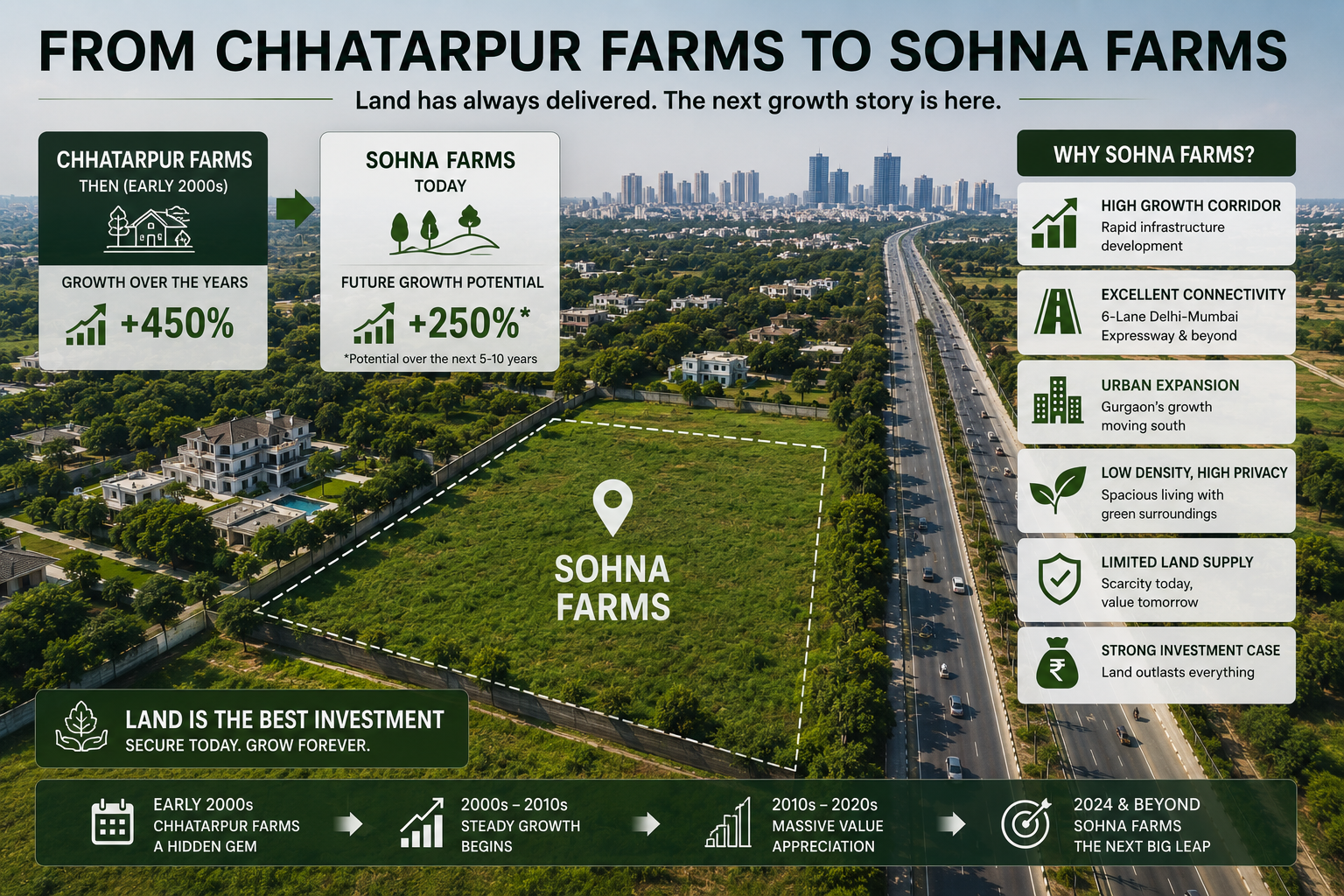
How Chhatarpur Farmhouses Created Multi-Crore Wealth for Early Buyers
What a quiet corner of South Delhi can teach investors about land, scarcity, and long-term wealth creation.
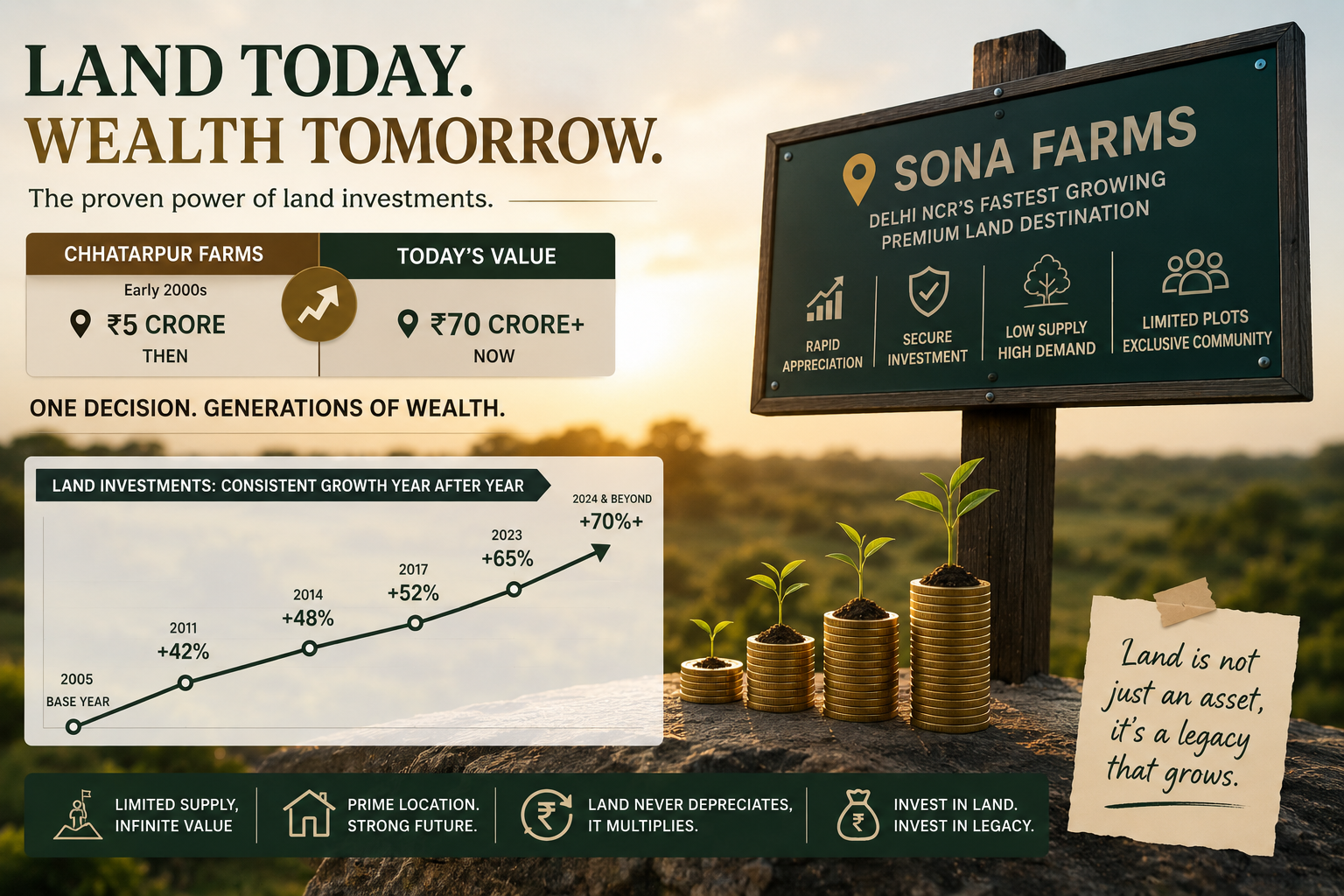
The ₹5 Crore Land Purchase That Became Worth ₹70 Crore
What the Story of DLF Chhatarpur Farms Reveals About Wealth Creation Through Premium Land Ownership
One short email. Stories you can use.
A free, occasional email from our editorial team with our latest features, explainers and reads. Unsubscribe any time — your email stays with us.