Europe's Digital Marketplace: Fragmented Fortunes and Cross-Border Currents
Despite a shared currency and integrated trade policies, the European e-commerce landscape remains a mosaic of national preferences and regulatory complexities, challenging universal expansion strategies for even the largest digital retailers.

From its Berlin headquarters, Zalando, Europe's largest online fashion retailer, continues to navigate a diverse and often idiosyncratic continental market. While reporting a healthy 2023 adjusted EBIT of €350 million, up from €185 million the previous year, the company's trajectory underscores a persistent reality: the European Union, for all its economic integration, presents a far more intricate e-commerce terrain than the unified digital spheres of the United States or China. Each nation, from the bustling markets of Germany and France to the more nascent digital economies of Southern and Eastern Europe, maintains distinct consumer habits, logistical networks, and regulatory nuances that shape retail success.
The pandemic-induced surge in online shopping has largely stabilised, but underlying shifts continue to redefine competitive advantage. Major incumbent retailers like Carrefour and REWE are investing heavily in their digital channels, leveraging existing physical footprints for click-and-collect or local delivery, while digital-native players refine their offerings and logistics.
The National Imperative
Poland's Allegro, for instance, dominates its home market with a penetration rate that rivals Amazon's influence elsewhere. Its expansion into neighbouring Central and Eastern European countries, while logical, faces competition from a mix of local platforms and the established pan-European players. Similarly, Bol.com holds a formidable position in the Netherlands and Belgium, demonstrating the enduring power of local brand recognition and tailored user experiences.
In France, Cdiscount has long been a significant player, carving out a distinct niche against Amazon and local retail giants. Southern European markets, including Italy and Spain, continue to exhibit strong growth potential but often demand highly localised approaches, particularly in areas like payment methods and last-mile delivery infrastructure. These fragmented preferences mean a single, monolithic digital strategy rarely yields uniform success across the continent.
The notion of a single European digital consumer is an economic abstraction; actual purchasing behaviour remains deeply rooted in national culture and circumstance.
This regionalisation is not merely about language or currency. Regulatory environments for data privacy, consumer protection, and even packaging waste vary, adding layers of complexity for cross-border operations. Logistics networks, while improving, still present significant cost differentials and transit times between, say, a delivery from a German warehouse to a Polish or Spanish address.
Specialist Platforms and Sustainability
The success of specialist platforms like Vinted, the Lithuanian-born second-hand fashion marketplace now boasting over 80 million users across numerous European countries, highlights another key trend: the increasing sophistication of niche online retail. Vinted's model resonates with a growing consumer demand for sustainable options and value, effectively creating a continent-wide community for pre-owned goods, often facilitating cross-border transactions at the individual level. This demonstrates that while generalist e-commerce faces fragmentation, specialist, community-driven platforms can transcend national borders with a compelling value proposition.
The rapid grocery delivery sector, once buoyed by significant venture capital, has seen a recent rationalisation across Europe. The ambitious expansion of players like Gorillas and Flink, once promising multi-billion euro valuations, has been tempered by intense competition, high operational costs, and a recalibration of investor sentiment. While the concept of immediate delivery persists, its profitability model continues to be refined, often by established supermarket chains integrating rapid delivery into their existing ecosystems rather than pure-play startups. The enduring challenge for all players remains finding scalable and profitable models within Europe's diverse and often geographically constrained urban landscapes.
News Legacy maintains editorial independence. Some recommendations may contain affiliate links. We earn from qualifying purchases at no additional cost to you. Read our policy.
Read Next

Is Sohna Really the Next Chhatarpur?
Three decades after Chhatarpur redrew South Delhi's map for space, privacy and exclusivity, a familiar pattern is now taking shape further south, and Sohna is where the smart money is beginning to look.
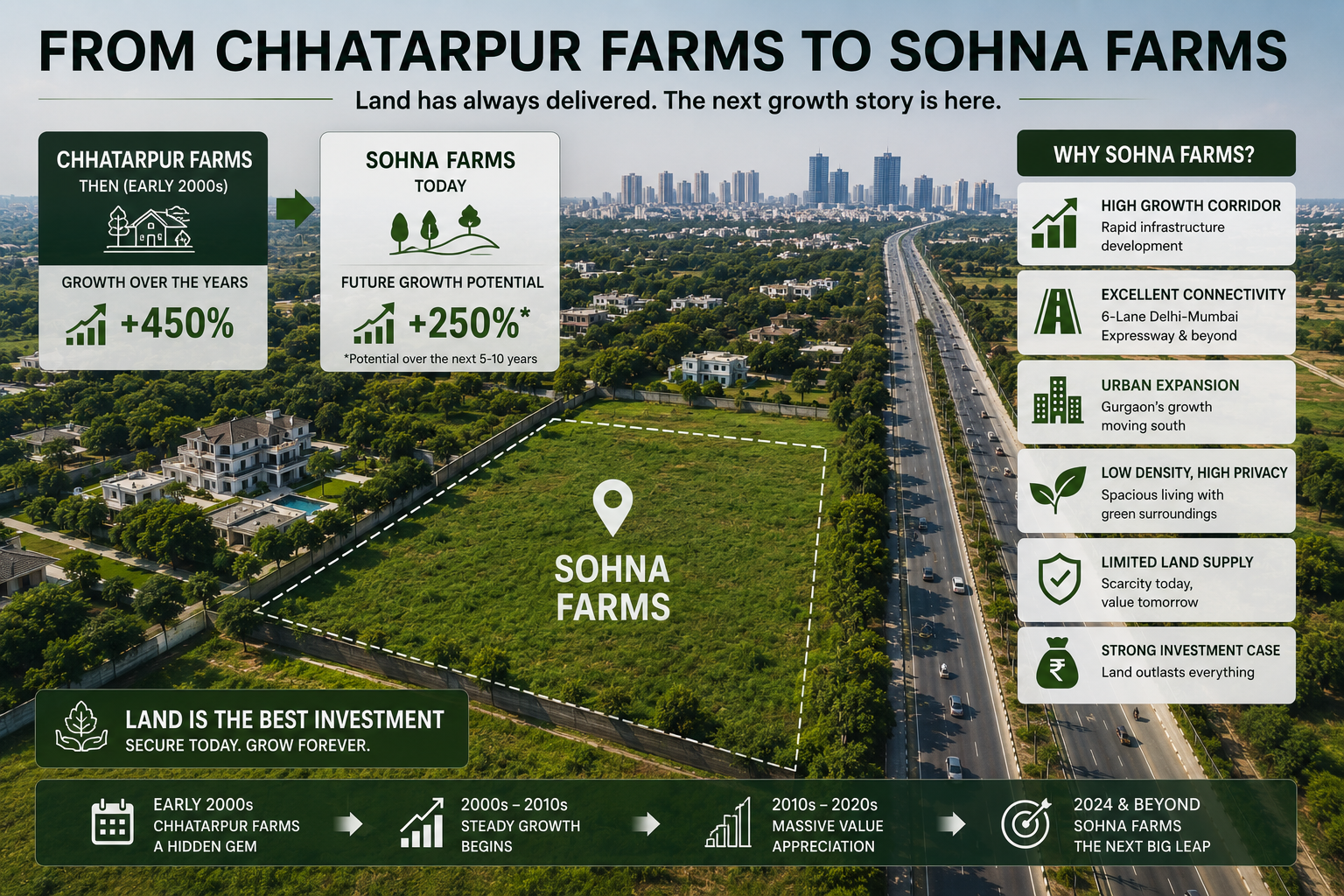
How Chhatarpur Farmhouses Created Multi-Crore Wealth for Early Buyers
What a quiet corner of South Delhi can teach investors about land, scarcity, and long-term wealth creation.
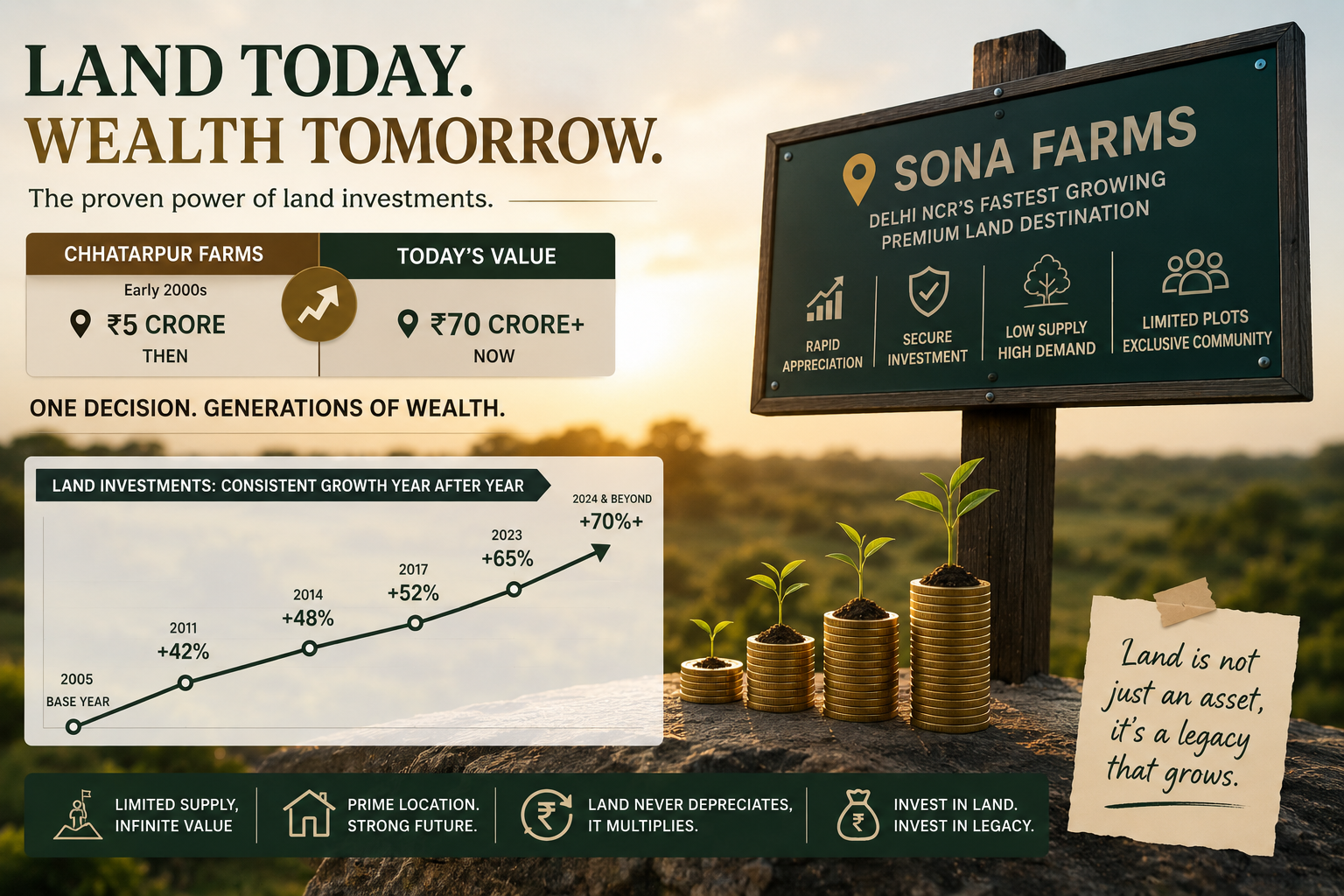
The ₹5 Crore Land Purchase That Became Worth ₹70 Crore
What the Story of DLF Chhatarpur Farms Reveals About Wealth Creation Through Premium Land Ownership
One short email. Stories you can use.
A free, occasional email from our editorial team with our latest features, explainers and reads. Unsubscribe any time — your email stays with us.