Europe's Digital Marketplaces Grapple with the Ascendance of Creator-Led Retail
Traditional e-commerce platforms and legacy retailers across Europe are recalibrating their strategies as independent creators increasingly leverage direct-to-consumer models, reshaping consumer engagement and revenue streams.

When a Polish fashion influencer showcases a bespoke jewellery line on Instagram, driving immediate sales through an embedded link to a Shopify store, it represents a direct challenge to the established order of European digital retail. This pattern, replicated across diverse product categories from artisanal food in Italy to sustainable apparel in the Nordics, signals a profound shift. Consumers are increasingly bypassing intermediaries, drawn to authenticity and direct engagement with individuals rather than corporate brands, compelling major players like Zalando, Vinted, and even grocery giants to reassess their digital ecosystems.
The phenomenon is not entirely new; the democratisation of online selling tools has been underway for over a decade. However, the sophistication of current creator commerce, powered by advanced analytics, streamlined logistics, and increasingly potent social media algorithms, presents a more formidable competitive landscape. A single content creator can cultivate a loyal following numbering in the hundreds of thousands, effectively building a niche brand with minimal overhead, something traditional retailers once required multi-million euro marketing budgets to achieve.
The Platform Conundrum: Adapt or Cede Ground
For incumbent marketplaces such as Allegro in Poland or Bol.com in the Netherlands, integrating creators means navigating a delicate balance. These platforms thrive on selection and competitive pricing, often facilitating transactions for thousands of third-party sellers. The direct-to-consumer model, by contrast, prioritises brand narrative and personal connection. Some, like the French e-commerce site Cdiscount, have experimented with affiliate programs that allow influencers to earn commissions on sales driven to their platform, an acknowledgement of the creator's role in the discovery phase.
Beyond simple affiliate structures, more elaborate integrations are emerging. Vinted, the Lithuanian-founded second-hand fashion marketplace, benefits inherently from user-generated content and personal curation, which aligns closely with creator ethos. Its challenge lies in scaling this authenticity without diluting it. Elsewhere, companies are exploring dedicated sections for 'curated by' collections or even providing infrastructure for creators to launch their own micro-stores within a larger marketplace framework, essentially becoming landlords to digital boutiques.
The grocery sector, traditionally slower to embrace direct digital innovation, is also feeling the ripples. While Lidl and Carrefour primarily focus on their own e-commerce and delivery networks, the rapid rise and subsequent struggles of ultra-fast delivery services like Gorillas and Flink highlighted a demand for more direct, curated shopping experiences, particularly among younger, digitally native demographics. This points towards future opportunities for food creators to offer specialty products directly, bypassing large supermarket chains for certain high-margin items.
Cross-Border Opportunities and Regulatory Realities
One of creator commerce's most potent attributes is its inherent cross-border potential, particularly within the frictionless EU single market. A Spanish ceramist can sell directly to a customer in Germany with relative ease, bypassing traditional export complexities. This fluid exchange accelerates product discovery and diversifies consumer options, but it also introduces complexities for regulators concerning consumer protection, taxation, and intellectual property across multiple jurisdictions.
The agility of creator-led businesses challenges established market participants to innovate beyond mere transactional efficiency, requiring an embrace of community building and authentic storytelling.
While the scale of creator commerce is still modest compared to the multi-billion euro transactions flowing through Europe's largest e-commerce platforms, its growth trajectory is significant. Projections suggest double-digit growth in this segment annually, potentially reaching several tens of billions of euros across the EU within the next five years. The strategic response from established players will determine whether they effectively channel this new wave of entrepreneurial energy or find themselves increasingly outmanoeuvred by a more nimble, digitally native form of retail.
The implications extend beyond market share. It is about the fundamental nature of retail engagement. As consumer trust migrates from institutional advertising to peer recommendations and direct engagement with authentic voices, the value proposition of a broad, impersonal marketplace diminishes. European retailers and platforms face a critical juncture: either evolve their models to genuinely empower and integrate creators or risk becoming mere transactional conduits in a market increasingly defined by direct connection.
News Legacy maintains editorial independence. Some recommendations may contain affiliate links. We earn from qualifying purchases at no additional cost to you. Read our policy.
Read Next

Is Sohna Really the Next Chhatarpur?
Three decades after Chhatarpur redrew South Delhi's map for space, privacy and exclusivity, a familiar pattern is now taking shape further south, and Sohna is where the smart money is beginning to look.
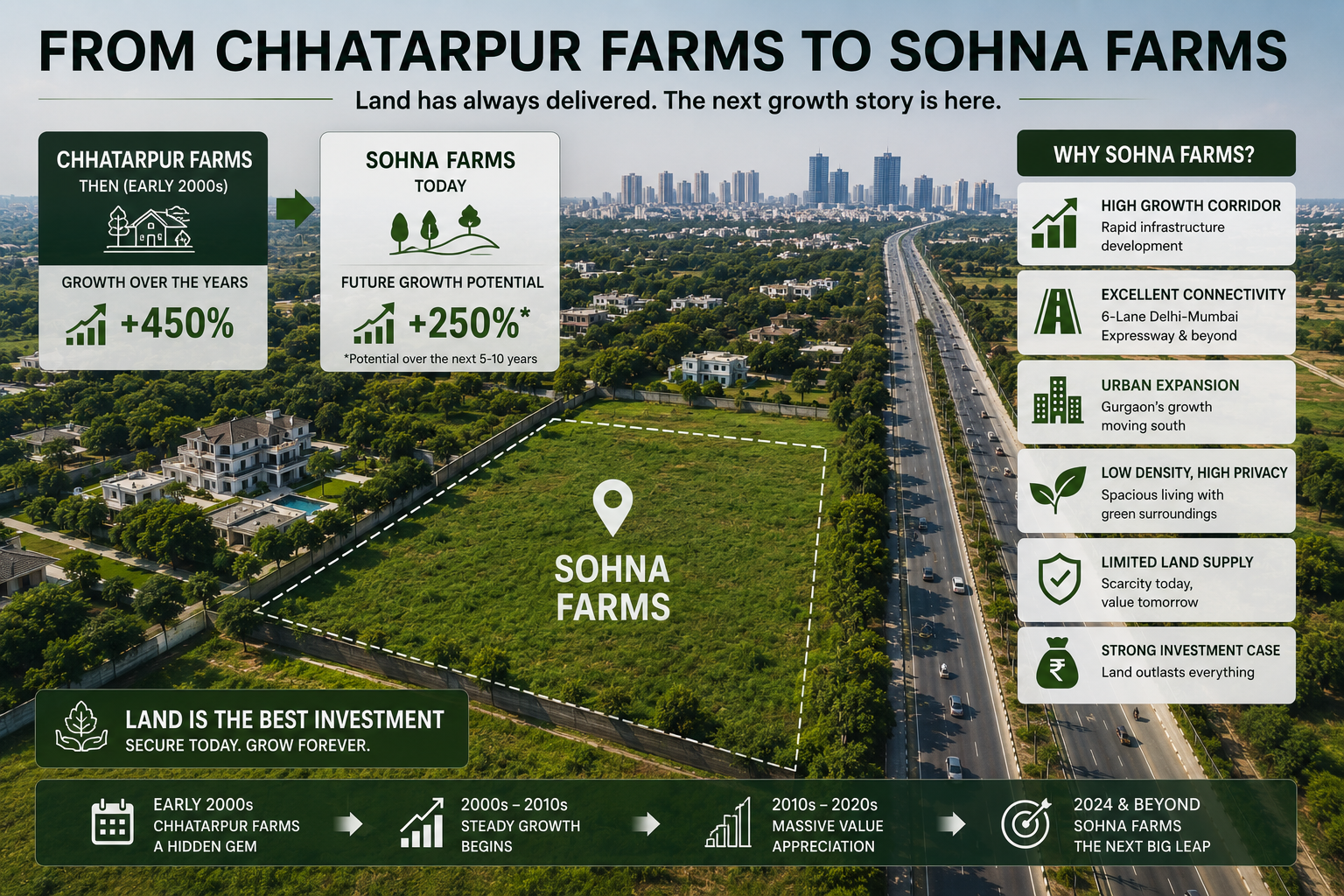
How Chhatarpur Farmhouses Created Multi-Crore Wealth for Early Buyers
What a quiet corner of South Delhi can teach investors about land, scarcity, and long-term wealth creation.
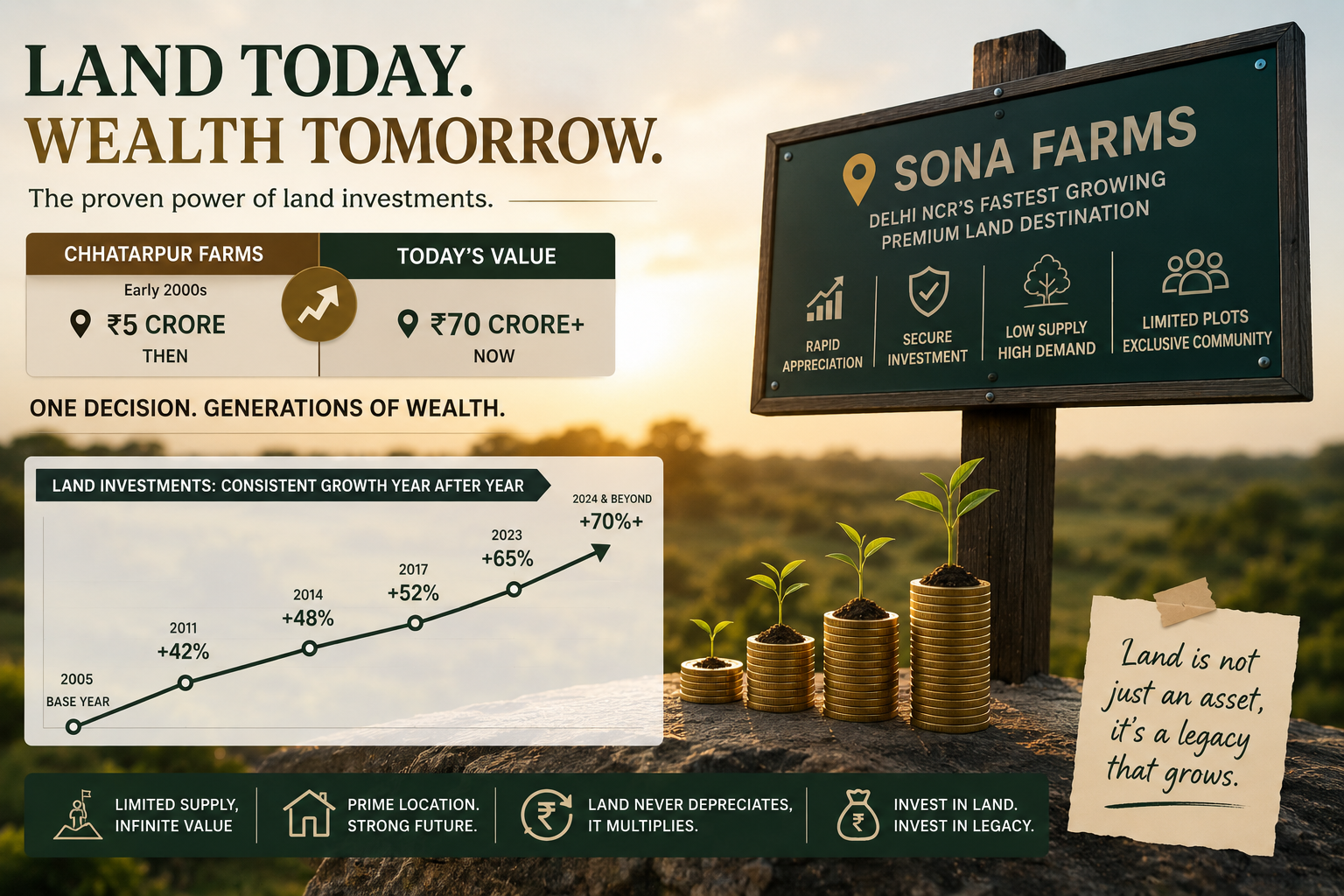
The ₹5 Crore Land Purchase That Became Worth ₹70 Crore
What the Story of DLF Chhatarpur Farms Reveals About Wealth Creation Through Premium Land Ownership
One short email. Stories you can use.
A free, occasional email from our editorial team with our latest features, explainers and reads. Unsubscribe any time — your email stays with us.