Europe's Digital Marketplaces Navigate Divergent National Tastes and Regulatory Patchwork
Across the European Union, e-commerce giants and emerging specialists confront the complexities of fragmented consumer preferences and varied national legislative frameworks, reshaping the continent's digital retail landscape.

When Zalando, one of Europe's most prominent fashion e-tailers, adapts its product assortments and marketing campaigns for consumers in France versus those in Germany, it illustrates a fundamental challenge in European digital commerce. Despite the single market, the continent remains a tapestry of distinct cultures, languages, and buying habits, requiring tailored strategies that often defy simple pan-European replication.
This market fragmentation extends beyond product preferences to logistics and regulatory environments. Companies like Allegro, dominant in Poland, or Bol.com, with its strong foothold in the Netherlands and Belgium, have achieved regional supremacy by deeply understanding their local markets. Their expansion often involves significant localization efforts, from payment methods to customer service languages, highlighting that success is not merely a matter of scale but also of granular adaptation.
The initial wave of rapid e-commerce expansion saw many players attempt a 'one-size-fits-all' approach. However, the subsequent years have demonstrated the limitations of this strategy. Even in grocery, Carrefour and REWE operate with distinct models reflective of their home markets, and their digital initiatives, while often leveraging common technologies, still manifest in locally optimized forms.
The Cross-Border Conundrum
Navigating European borders for e-commerce means confronting a complex interplay of VAT regimes, consumer protection laws, and often, varying definitions of 'acceptable' marketing. A promotion that resonates in Spain might fall flat, or even be legally problematic, in Sweden. This regulatory patchwork adds layers of cost and complexity, particularly for smaller and medium-sized enterprises seeking to expand beyond their national boundaries.
The rapid grocery delivery sector, though experiencing a recalibration, exemplified this localized challenge. Early entrants like Gorillas (now part of Getir) and Flink expanded aggressively across multiple European cities, only to find that operational models needed significant local adjustments, from labour laws to urban planning restrictions on dark stores. The economics, which looked promising in one market, often struggled to translate.
The drive for pan-European digital commerce is often met with the reality of deeply entrenched national nuances, necessitating a bespoke approach rather than a uniform blueprint.
Established players, including hypermarket chains like Lidl, are increasingly investing in their own digital capabilities, often through localised apps and delivery partnerships. Their established supply chains and brand recognition provide a significant advantage, particularly when adapting to regional demands, though they too must contend with the learning curve of digital logistics.
Emerging Models and Data Demands
Second-hand fashion marketplace Vinted, headquartered in Lithuania, offers a compelling example of a successful pan-European digital strategy. Its growth stems from tapping into a universal desire for value and sustainability, while also allowing for individual user-to-user transactions that naturally accommodate local preferences in style and pricing. The platform's success indicates that models supporting individual agency, rather than imposing centralised curations, can traverse borders more effectively.
The ability to gather and analyse highly granular customer data has become paramount. Understanding purchasing patterns not just by country, but by region or even city, allows companies to fine-tune everything from inventory allocation to promotional timing. This data-driven approach is essential for optimising the often-thin margins in digital retail, particularly when accounting for diverse shipping costs and return rates across Europe.
As the European digital market matures, success will increasingly depend on the intricate balance between achieving economies of scale and demonstrating profound local understanding. The next phase of growth will likely favour platforms and retailers that can skillfully manage this duality, deploying advanced technology while respecting the continent's rich and varied consumer landscape.
News Legacy maintains editorial independence. Some recommendations may contain affiliate links. We earn from qualifying purchases at no additional cost to you. Read our policy.
Read Next

Is Sohna Really the Next Chhatarpur?
Three decades after Chhatarpur redrew South Delhi's map for space, privacy and exclusivity, a familiar pattern is now taking shape further south, and Sohna is where the smart money is beginning to look.
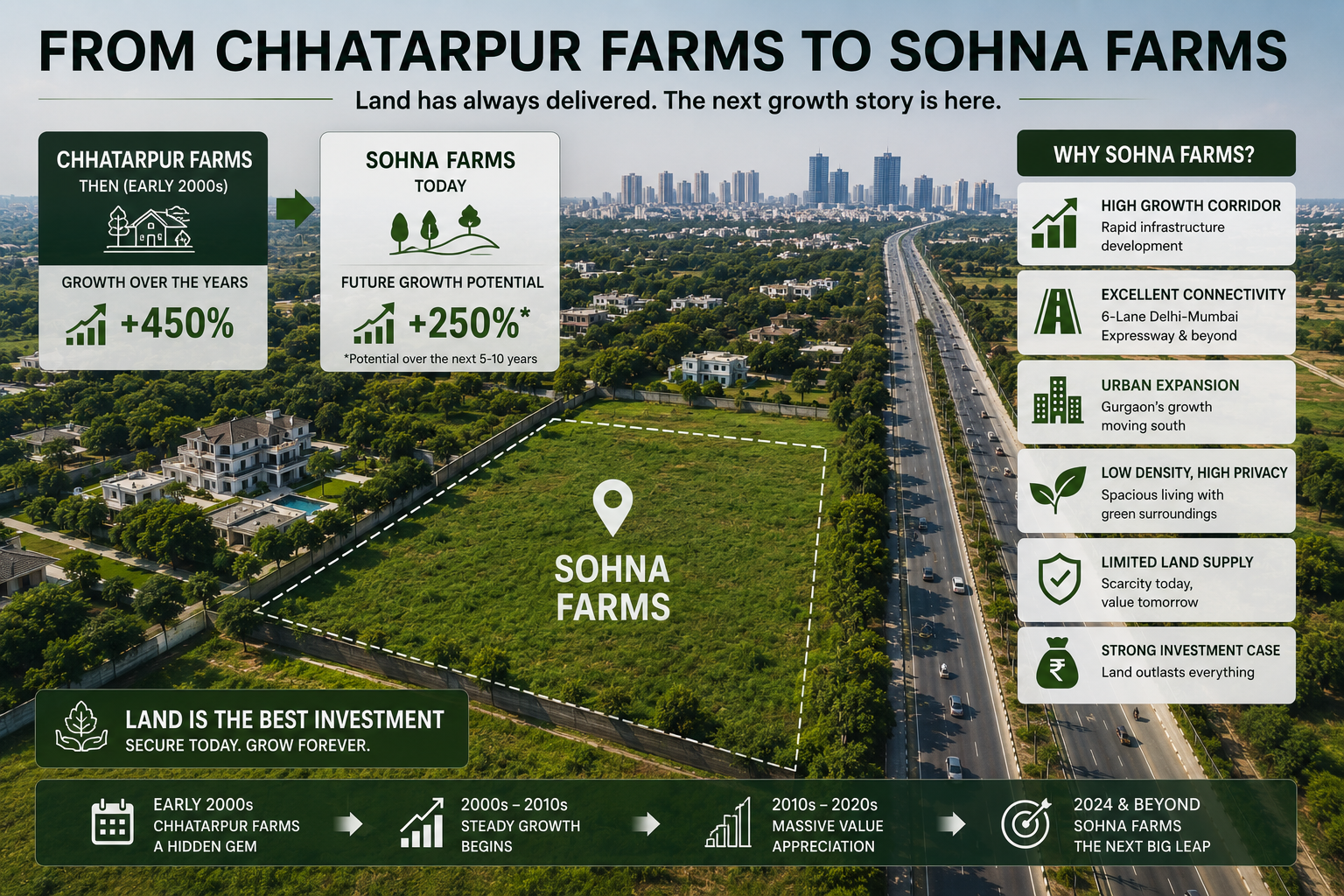
How Chhatarpur Farmhouses Created Multi-Crore Wealth for Early Buyers
What a quiet corner of South Delhi can teach investors about land, scarcity, and long-term wealth creation.
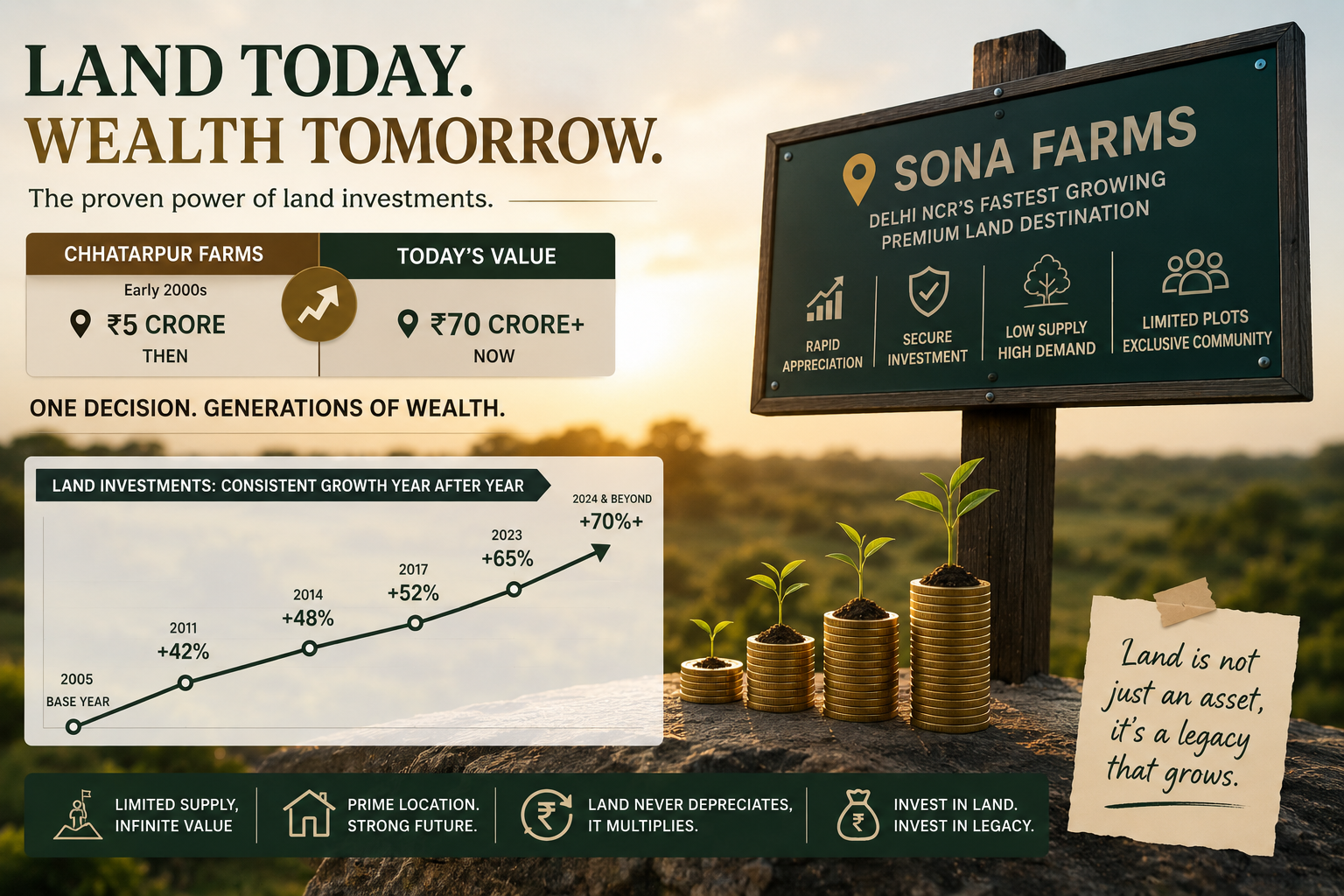
The ₹5 Crore Land Purchase That Became Worth ₹70 Crore
What the Story of DLF Chhatarpur Farms Reveals About Wealth Creation Through Premium Land Ownership
One short email. Stories you can use.
A free, occasional email from our editorial team with our latest features, explainers and reads. Unsubscribe any time — your email stays with us.