Europe's Digital Retail Fronde: Local Champions Navigate Cross-Border Contestation
Across the European Union, established domestic e-commerce and grocery giants are deploying innovative technologies and refined logistics to consolidate market share against global competitors, recalibrating consumer expectations in the process.

In a distribution centre just outside Mönchengladbach, robotic arms swiftly sort parcels bound for customers across Germany, France, and the Netherlands. This is part of Zalando’s expansive logistics network, a testament to how European players are investing heavily in infrastructure to underpin their digital growth. Such initiatives highlight a significant shift: continental retailers are not merely adapting to digital commerce but are actively shaping its future within a complex, multi-national market.
The European retail landscape, while seemingly unified by common market principles, remains a patchwork of distinct consumer preferences, regulatory frameworks, and entrenched national champions. This fragmentation presents both challenges and opportunities. While Amazon and Alibaba exert considerable influence, local and regional players like Poland's Allegro, the Dutch Bol.com, and France's Cdiscount have carved out substantial niches, often by understanding domestic nuances that larger, more global entities might overlook.
Consider the grocery sector, where digital transformation has accelerated dramatically. German behemoths REWE and Lidl are not just integrating online ordering and delivery; they are experimenting with micro-fulfilment centres and AI-driven inventory management to minimise waste and enhance efficiency. Carrefour, a dominant force in France and Spain, continues to expand its digital footprint, offering sophisticated click-and-collect options and rapid delivery services that leverage its extensive physical store network. These efforts are not minor upgrades but strategic overhauls designed to retain loyalty in a fiercely competitive environment.
The Platform Evolution and Second-Hand Surge
The platform economy continues its ascendancy, with several European entities distinguishing themselves. Vinted, headquartered in Lithuania, has become a formidable presence in second-hand fashion across more than a dozen European markets, including France, Germany, and Spain. Its peer-to-peer model capitalises on sustainability trends and value-consciousness, demonstrating that digital innovation can thrive without relying on new product sales. This success illustrates a broader trend towards circular economy models gaining traction among European consumers.
The strategic deployment of localised logistics and sophisticated data analytics is increasingly delineating winners from participants in Europe’s varied digital retail arena.
The rapid grocery delivery segment, which saw a boom during the pandemic, has since undergone significant consolidation. While Gorillas and Flink, once prominent, faced challenges in achieving sustainable profitability, their legacy lies in having rapidly educated consumers about the possibilities of hyper-convenient shopping. The pressure on traditional grocers to offer compelling delivery options increased markedly, pushing incumbents to invest further in their own digital capacities and last-mile logistics.
Navigating Cross-Border Complexities
Cross-border commerce within the EU, while facilitated by single market rules, still presents intricate logistical and regulatory hurdles. For a company like Allegro to expand beyond its Polish stronghold into neighbouring markets, it must contend with varying consumer protection laws, distinct payment preferences, and the complexities of multi-language customer support. Despite these challenges, the allure of a combined market exceeding 450 million consumers remains a powerful incentive for expansion. The aggregate value of cross-border e-commerce in the EU is estimated to have exceeded €170 billion in recent years, reflecting sustained growth.
The strategic investments made by these European players — in automation, data analytics, and integrated omnichannel experiences — suggest a maturing digital retail landscape. It is one where deep understanding of local market dynamics, combined with robust technological infrastructure, provides a compelling counter-narrative to the homogenising forces of global platforms, fostering a distinctive European approach to commerce in the digital age.
News Legacy maintains editorial independence. Some recommendations may contain affiliate links. We earn from qualifying purchases at no additional cost to you. Read our policy.
Read Next

Is Sohna Really the Next Chhatarpur?
Three decades after Chhatarpur redrew South Delhi's map for space, privacy and exclusivity, a familiar pattern is now taking shape further south, and Sohna is where the smart money is beginning to look.
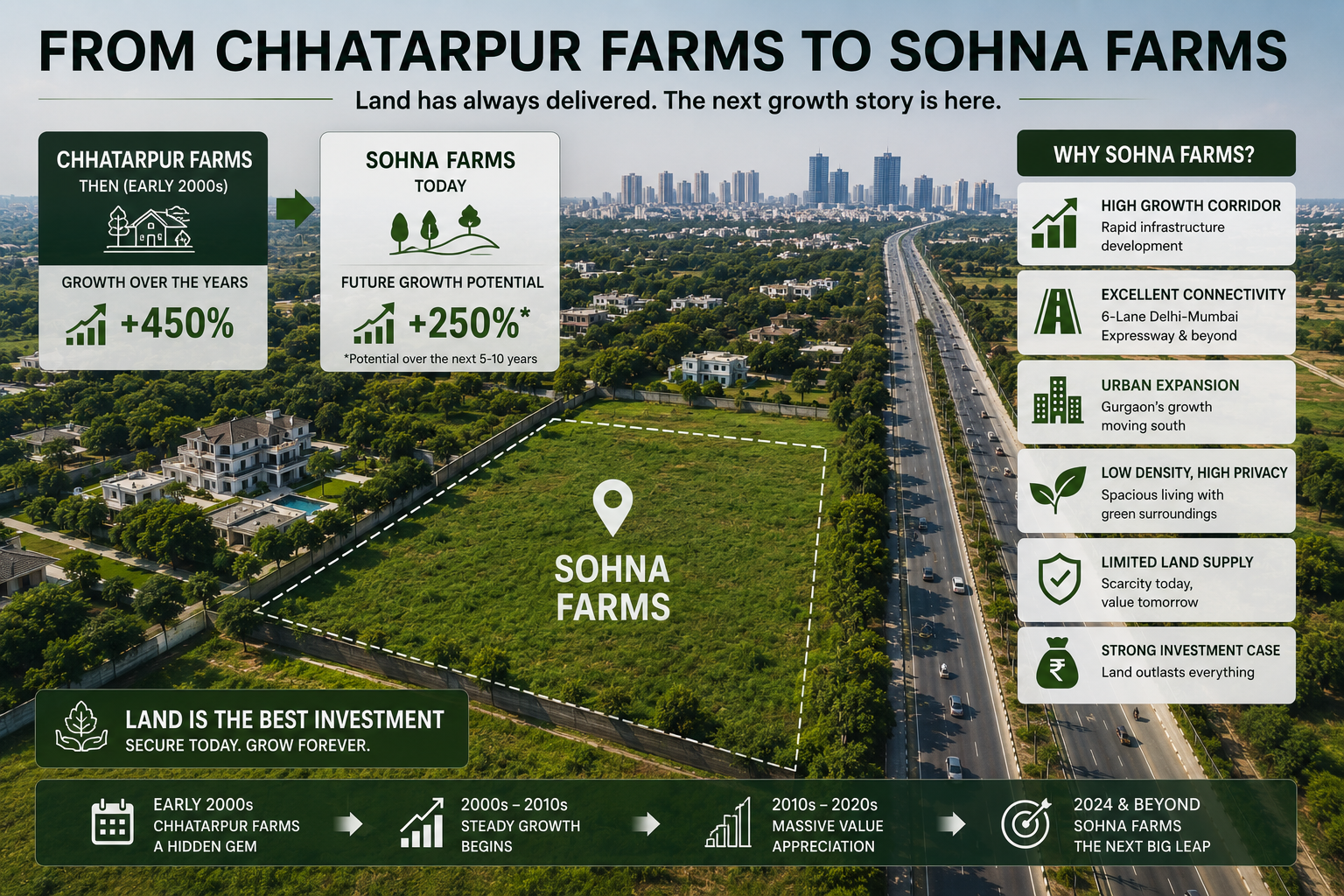
How Chhatarpur Farmhouses Created Multi-Crore Wealth for Early Buyers
What a quiet corner of South Delhi can teach investors about land, scarcity, and long-term wealth creation.
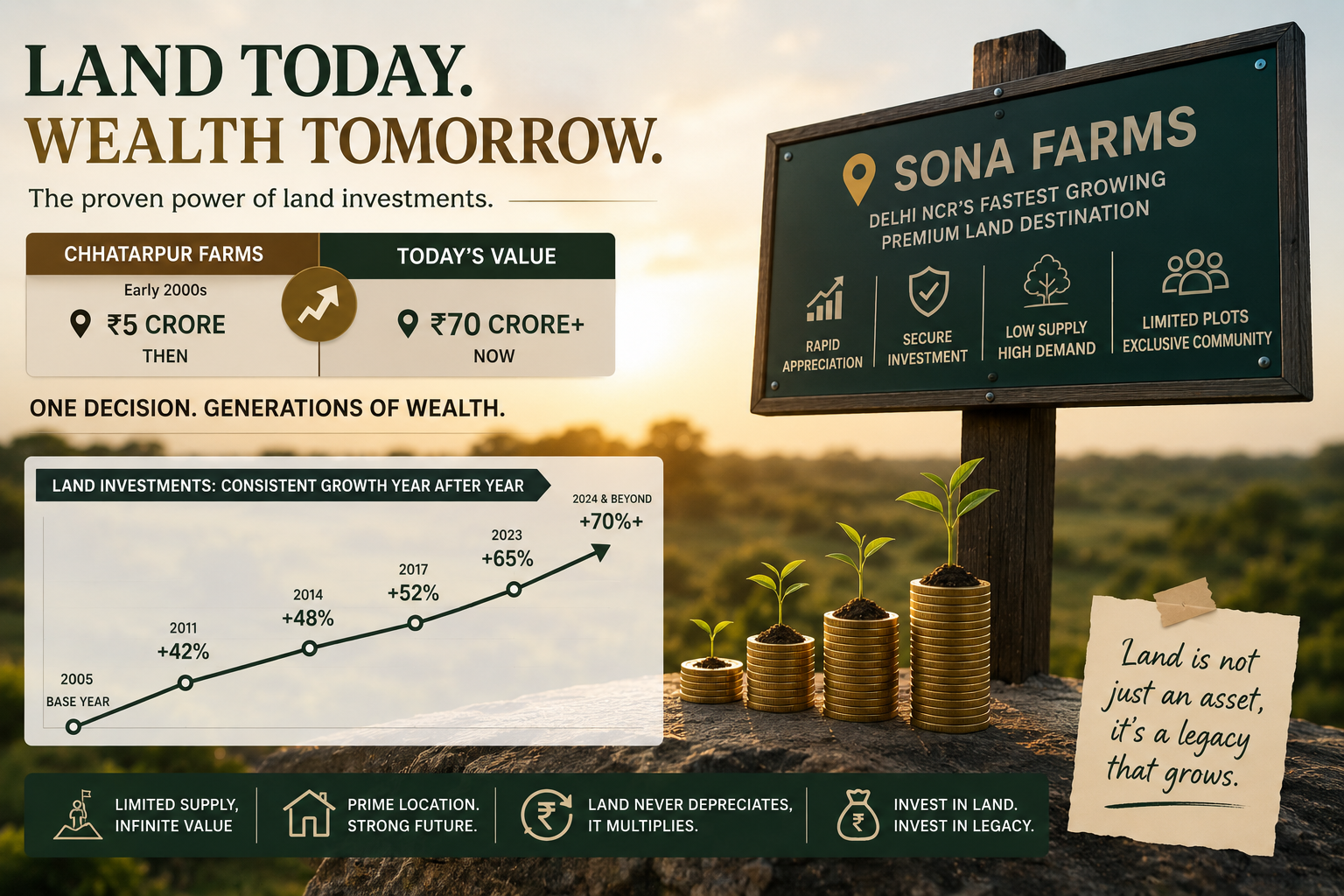
The ₹5 Crore Land Purchase That Became Worth ₹70 Crore
What the Story of DLF Chhatarpur Farms Reveals About Wealth Creation Through Premium Land Ownership
One short email. Stories you can use.
A free, occasional email from our editorial team with our latest features, explainers and reads. Unsubscribe any time — your email stays with us.