Europe's Digital Retail Mosaic: Fragmented Gains Amid Cross-Border Ambitions
Despite a shared digital imperative, the continent's e-commerce landscape remains a complex tapestry of national champions and varied consumer behaviours, challenging pan-European retail integration.

From its central warehouse in Głogów Małopolski, Poland, Allegro continues to consolidate its position as a dominant marketplace in Central and Eastern Europe, a testament to the power of localised digital platforms. This regional strength, however, stands in contrast to the broader, often fragmented, ambitions of retailers seeking true continental scale. The intricate web of national preferences, regulatory frameworks, and logistics infrastructure across the European Union presents a persistent hurdle to seamless cross-border commerce and the ubiquitous adoption of retail technology.
While consumers in major economies like Germany and France increasingly engage with digital storefronts, the journey from online browse to doorstep delivery often reveals a deeply uneven technological adoption. Supermarket giants such as Carrefour in France and REWE in Germany have invested heavily in their own digital ecosystems, from click-and-collect services to rapid grocery delivery partnerships, aiming to fend off pure-play e-commerce threats. Yet, their digital capabilities frequently operate within national or even regional boundaries, rarely extending beyond their core markets with the same intensity.
The Appeal of Local Champions
The success of players like Zalando in fashion, or Bol.com in the Netherlands and Belgium, underscores a significant consumer inclination towards platforms perceived as understanding local tastes and logistical expectations. Vinted, the Lithuanian-founded second-hand fashion marketplace, has managed to expand across several European countries, capitalising on a universal trend for sustainable consumption, yet its operational model still navigates distinct national nuances regarding shipping and payment methods. This localised approach often proves more effective than a generic, one-size-fits-all digital strategy.
The rapid grocery delivery sector illustrates this point acutely. While firms like Gorillas and Flink initially pursued aggressive pan-European expansion, the economic realities and intense competition led to market consolidation and strategic retreats, particularly from less dense urban areas or countries where consumer habits did not align with their model. This demonstrated the significant capital required to overcome the logistical and cultural barriers of a fragmented continent.
The aspiration for a unified European digital market frequently confronts the practicalities of 27 distinct consumer expectations and regulatory landscapes.
Investment in retail technology across Europe, while substantial, reflects this fractured reality. Large retail groups often deploy bespoke solutions for specific national subsidiaries, rather than implementing a singular, scalable platform continent-wide. This can be observed in the varied e-commerce functionalities offered by chains like Lidl across different member states, adapting to local online shopping maturity and infrastructure.
Navigating Regulatory and Logistical Hurdles
Beyond consumer preference, regulatory divergences represent a significant impediment to streamlined cross-border retail. Varied data protection standards, consumer rights legislation, and tax regimes create complexities for businesses attempting to operate uniformly across multiple EU countries. A merchant selling from Spain to Sweden, for example, must contend with a different set of compliance requirements than one operating solely within the Spanish market.
The logistics network, while improving, still presents considerable challenges. While parcel delivery across borders is common, the cost and efficiency can vary widely, particularly for smaller retailers. Innovations in warehouse automation and last-mile delivery, from drone trials to electric vehicle fleets, are often localised initiatives rather than cohesive, continent-spanning developments, reflecting the fragmented investment landscape and diverse urban planning approaches.
News Legacy maintains editorial independence. Some recommendations may contain affiliate links. We earn from qualifying purchases at no additional cost to you. Read our policy.
Read Next

Is Sohna Really the Next Chhatarpur?
Three decades after Chhatarpur redrew South Delhi's map for space, privacy and exclusivity, a familiar pattern is now taking shape further south, and Sohna is where the smart money is beginning to look.
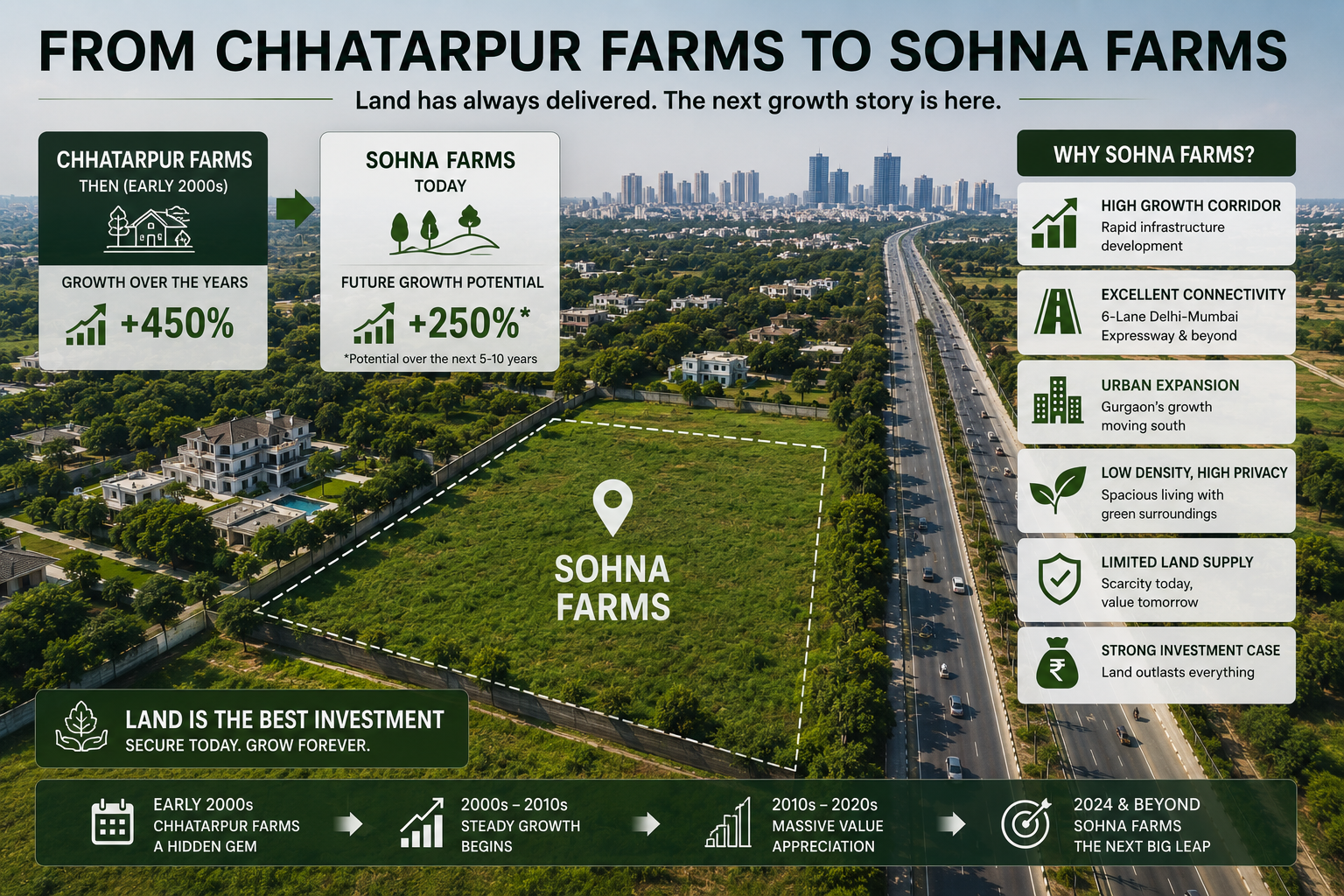
How Chhatarpur Farmhouses Created Multi-Crore Wealth for Early Buyers
What a quiet corner of South Delhi can teach investors about land, scarcity, and long-term wealth creation.
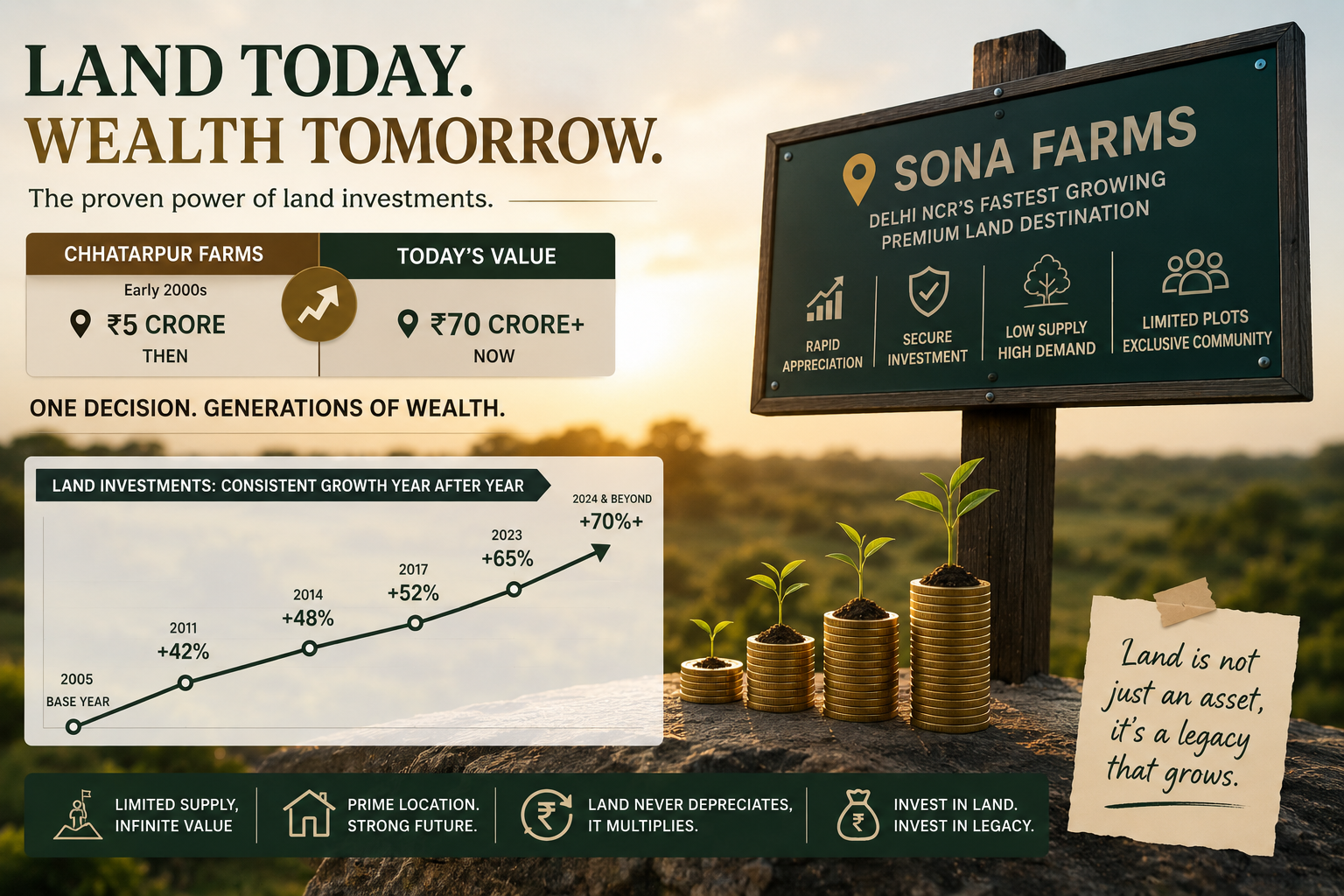
The ₹5 Crore Land Purchase That Became Worth ₹70 Crore
What the Story of DLF Chhatarpur Farms Reveals About Wealth Creation Through Premium Land Ownership
One short email. Stories you can use.
A free, occasional email from our editorial team with our latest features, explainers and reads. Unsubscribe any time — your email stays with us.