Europe's Digital Retail Mosaic: The Enduring Quest for Scale Amidst Fragmentation
Across the European Union, e-commerce giants and agile start-ups alike confront the persistent challenge of market disparity, navigating diverse consumer habits and regulatory landscapes in pursuit of continental dominance.

A parcel delivery truck bearing the familiar green-and-white insignia of Zalando navigates a cobbled street in Berlin, a common sight that belies the complex patchwork of digital commerce defining the European market. While Zalando has achieved considerable scale in fashion across multiple territories, its success highlights both the opportunity and the inherent difficulties in building truly pan-European retail operations, where national loyalties and distinct logistical challenges often outweigh the unifying currency.
The vision of a seamless single digital market, long espoused by Brussels, continues to encounter friction at borders. Unlike the relatively homogeneous consumer landscapes of the United States or China, Europe presents a fragmented ecosystem. Language barriers, differing payment preferences, varying return policies, and entrenched local incumbents mean that even well-funded entrants must often tailor their approach dramatically from one country to the next.
The Local Fortress and Cross-Border Ambitions
Companies like Allegro, dominant in Poland, or Bol.com, a household name in the Netherlands and Belgium, illustrate the power of deep local integration. Their market penetration often stems from years of understanding specific consumer needs, building trust, and optimising logistics within their home territories. Expanding beyond these fortresses, however, frequently necessitates significant investment in localisation rather than simple replication.
The aspiration for cross-border reach remains strong. Vinted, the Lithuanian-born platform for second-hand clothing, demonstrates that a compelling value proposition can transcend national boundaries, particularly when it addresses a universal consumer trend like sustainability and affordability. Its expansion into markets like France, Germany, and Spain shows that cultural nuances can be managed if the core offering resonates widely.
Groceries represent an even more challenging frontier for digital scale. While rapid delivery services like Gorillas (before its acquisition by Getir) and Flink made aggressive plays across major European cities, their high-burn models struggled to achieve profitability. Established players such as Carrefour and REWE, with their extensive physical store networks, are now leveraging hybrid models, integrating online ordering with local fulfilment, proving difficult to dislodge.
The narrative of a single European consumer is largely a fiction; success in this market demands an appreciation for enduring national distinctions.
The sheer number of languages and regulatory frameworks across the EU's 27 member states means that operational overheads for truly pan-European e-commerce can be substantial. For instance, launching a new product line or marketing campaign often requires adaptation into a dozen or more languages, each with its own cultural sensitivities. Data privacy regulations, while harmonised under GDPR, still present complexities in their practical application across diverse legal systems.
Even as large players like Amazon continue to exert pressure, Europe's digital retail landscape remains pluralistic. The resilience of local champions, the strategic pivots of traditional retailers, and the cautious, often incremental, cross-border expansions of digital natives point to a market where genuine scale is earned through patient, nuanced engagement, rather than mere technological prowess or capital deployment alone.
The next chapter for European e-commerce will likely not be defined by a single unified market, but by a sophisticated interplay between global platforms, national champions, and a new generation of niche players that strategically exploit the remaining pockets of unmet demand, understanding that Europe's strength lies in its diversity.
News Legacy maintains editorial independence. Some recommendations may contain affiliate links. We earn from qualifying purchases at no additional cost to you. Read our policy.
Read Next

Is Sohna Really the Next Chhatarpur?
Three decades after Chhatarpur redrew South Delhi's map for space, privacy and exclusivity, a familiar pattern is now taking shape further south, and Sohna is where the smart money is beginning to look.
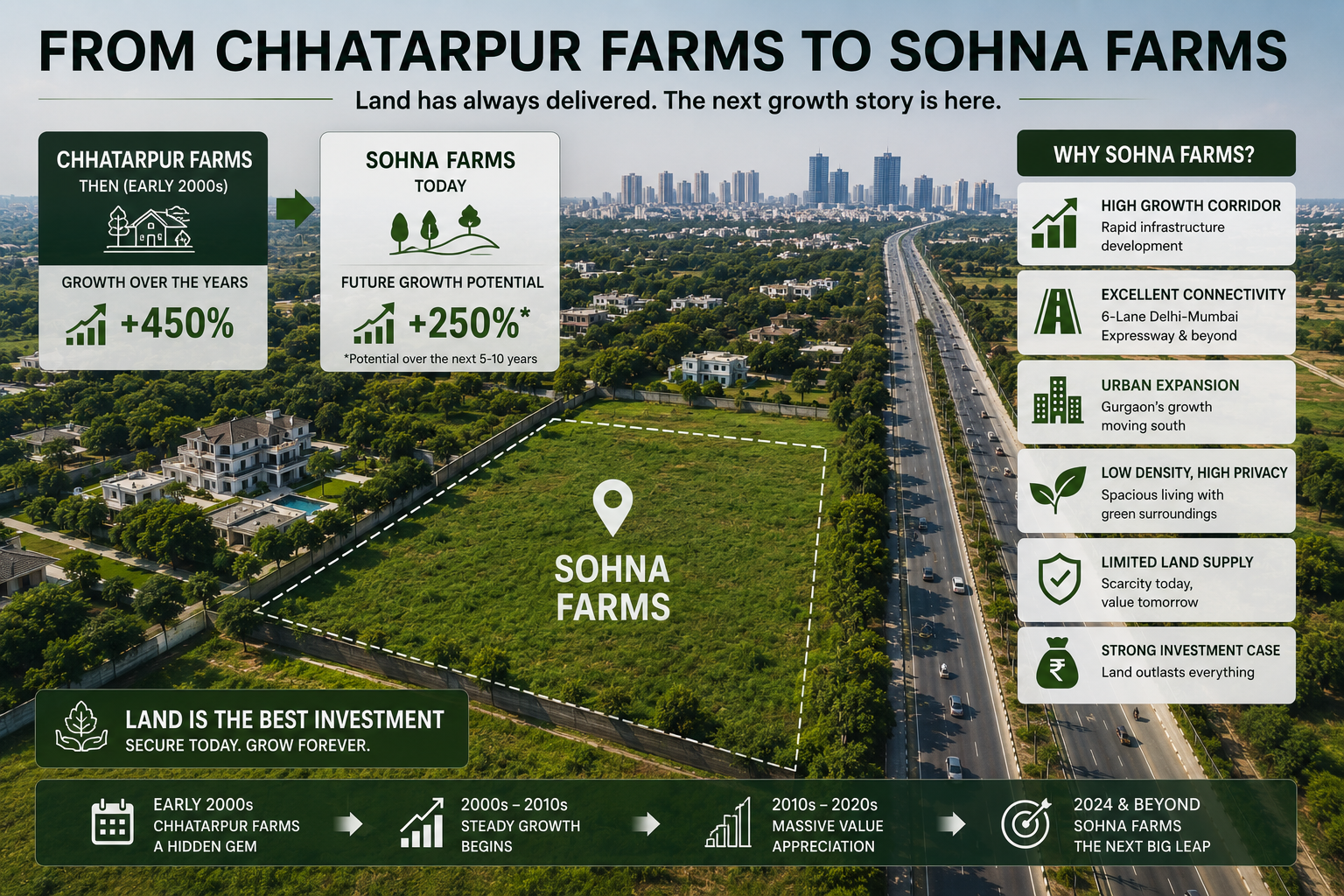
How Chhatarpur Farmhouses Created Multi-Crore Wealth for Early Buyers
What a quiet corner of South Delhi can teach investors about land, scarcity, and long-term wealth creation.
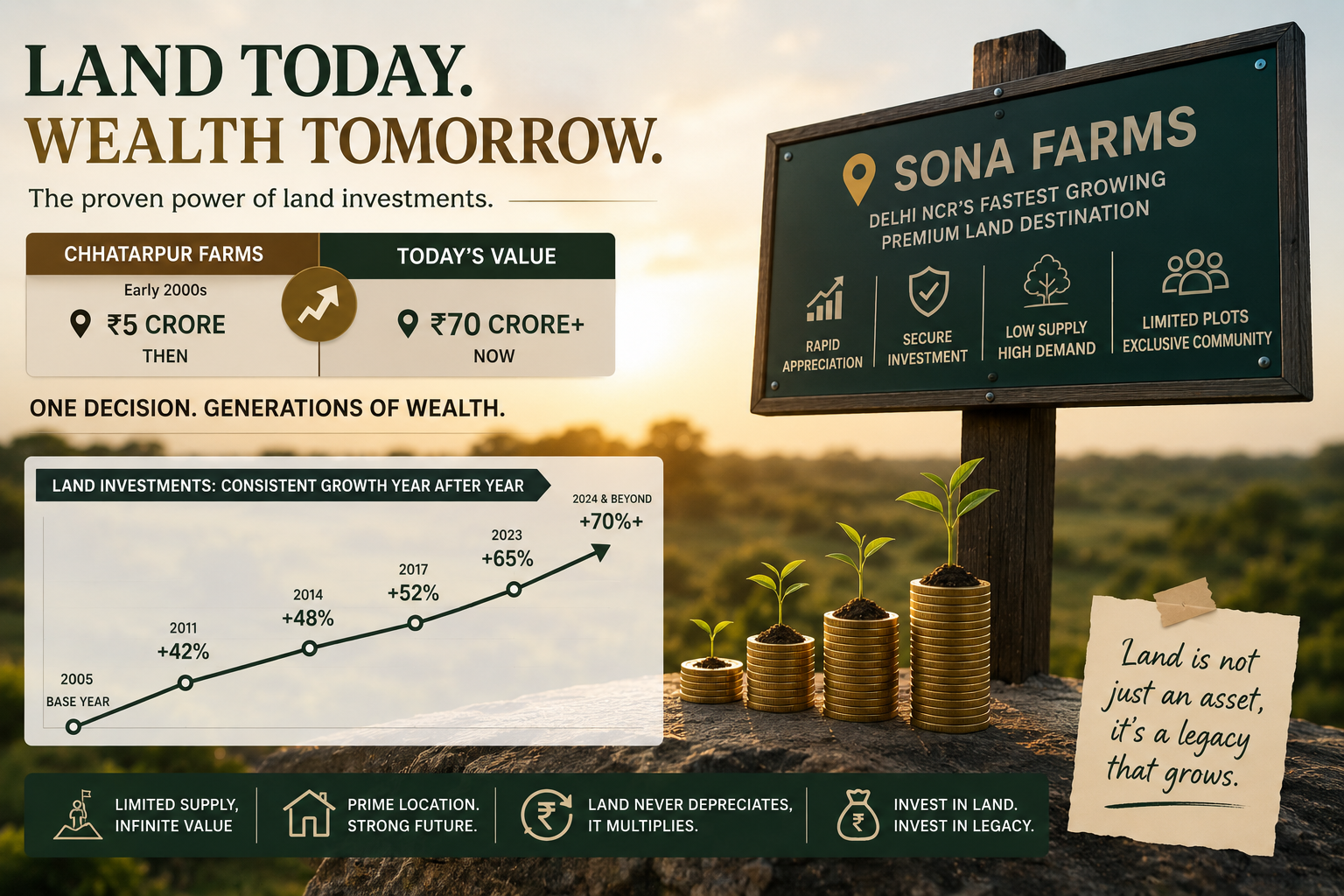
The ₹5 Crore Land Purchase That Became Worth ₹70 Crore
What the Story of DLF Chhatarpur Farms Reveals About Wealth Creation Through Premium Land Ownership
One short email. Stories you can use.
A free, occasional email from our editorial team with our latest features, explainers and reads. Unsubscribe any time — your email stays with us.