Europe's E-commerce Consolidation: A Test of Scale and Specialisation
Across continental Europe, the online retail landscape is entering a new phase defined by strategic acquisitions and intensified competition, challenging pure-play giants and traditional incumbents alike to find sustainable growth.

In Berlin, the once ubiquitous Gorillas delivery bikes have largely vanished, absorbed into Getir's operations, a stark illustration of the capital requirements and market pressures that have reshaped Europe's instant grocery sector. This consolidation, extending far beyond rapid delivery, reflects a maturing e-commerce environment where market share is increasingly contested, and operational efficiency dictates survival across diverse retail segments from fashion to general merchandise.
The initial boom of European e-commerce saw a proliferation of national champions and niche players, each carving out territory within distinct linguistic and regulatory frameworks. Companies such as France's Cdiscount, Poland's Allegro, and the Netherlands' Bol.com achieved significant scale within their home markets. However, the ambition to replicate this success trans-nationally has proven complex, often encountering entrenched local preferences and logistical hurdles that dilute the benefits of scale.
Cross-border commerce, while touted as a significant growth driver, remains more challenging than anticipated for many. While consumers readily purchase from international sites for specific goods, the day-to-day shopping habits largely remain anchored to domestic providers. This dynamic forces players like Zalando, active across numerous European markets, to fine-tune local assortments and delivery options, a continuous investment that smaller rivals struggle to match.
The Struggle for Profitability
The pursuit of market dominance often came at the expense of profitability, a trend now being recalibrated. Venture capital flows have tightened, compelling businesses to demonstrate clear paths to sustainable earnings rather than simply gross merchandise value expansion. This shift is evident in the strategic adjustments seen at fast-fashion pure-plays and in the grocery sector, where even well-funded ventures like Flink face sustained pressure to optimise unit economics.
The era of subsidised growth has given way to a sharper focus on the fundamentals of retail: efficient procurement, seamless logistics, and customer lifetime value.
Traditional brick-and-mortar retailers, having initially lagged in digital adoption, are now leveraging their physical footprint and established supply chains. Giants like Carrefour and REWE are investing heavily in omnichannel strategies, integrating online ordering with in-store pickup and last-mile delivery, creating a formidable hybrid model. This approach often grants them a cost advantage in areas like grocery, where store networks can double as fulfilment centres, challenging pure-play online grocers.
The secondary market is also consolidating and professionalising. Platforms like Vinted, originating from Lithuania, have successfully scaled across multiple European countries by tapping into a growing consumer appetite for sustainable and value-driven fashion. Their cross-border success highlights the potential for platforms that address specific consumer needs with a strong community element and efficient user experience, bypassing traditional retail friction.
Looking ahead, the European e-commerce landscape is likely to see further strategic alliances and consolidation. Smaller, less differentiated players may find themselves absorbed by larger entities seeking to expand their geographic reach or product categories. The market is increasingly segmenting into a few dominant generalist platforms, a cohort of agile specialist retailers, and the digitally enhanced operations of traditional multi-channel incumbents, all vying for consumer spend across a diverse and discerning continent.
News Legacy maintains editorial independence. Some recommendations may contain affiliate links. We earn from qualifying purchases at no additional cost to you. Read our policy.
Read Next

Is Sohna Really the Next Chhatarpur?
Three decades after Chhatarpur redrew South Delhi's map for space, privacy and exclusivity, a familiar pattern is now taking shape further south, and Sohna is where the smart money is beginning to look.
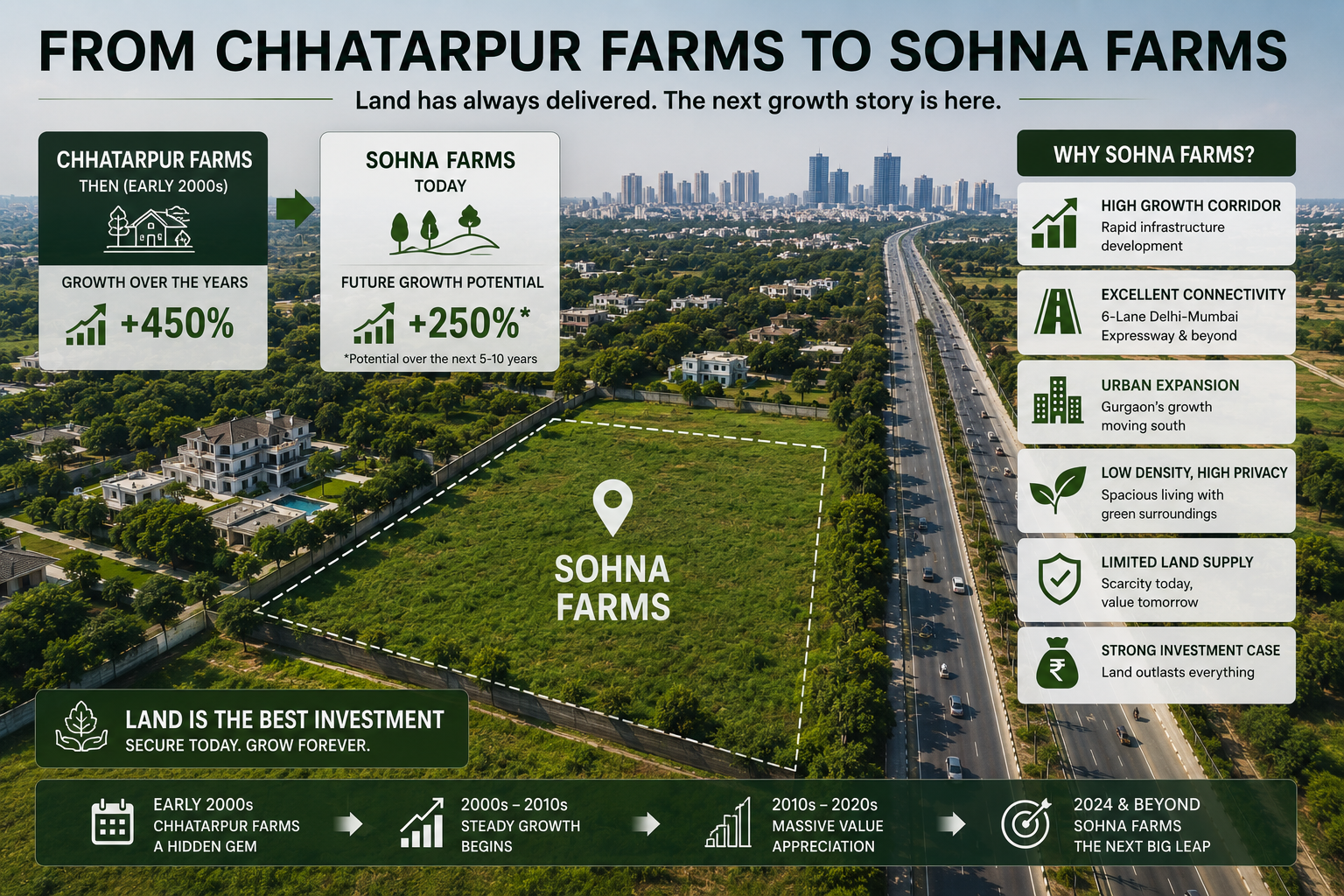
How Chhatarpur Farmhouses Created Multi-Crore Wealth for Early Buyers
What a quiet corner of South Delhi can teach investors about land, scarcity, and long-term wealth creation.
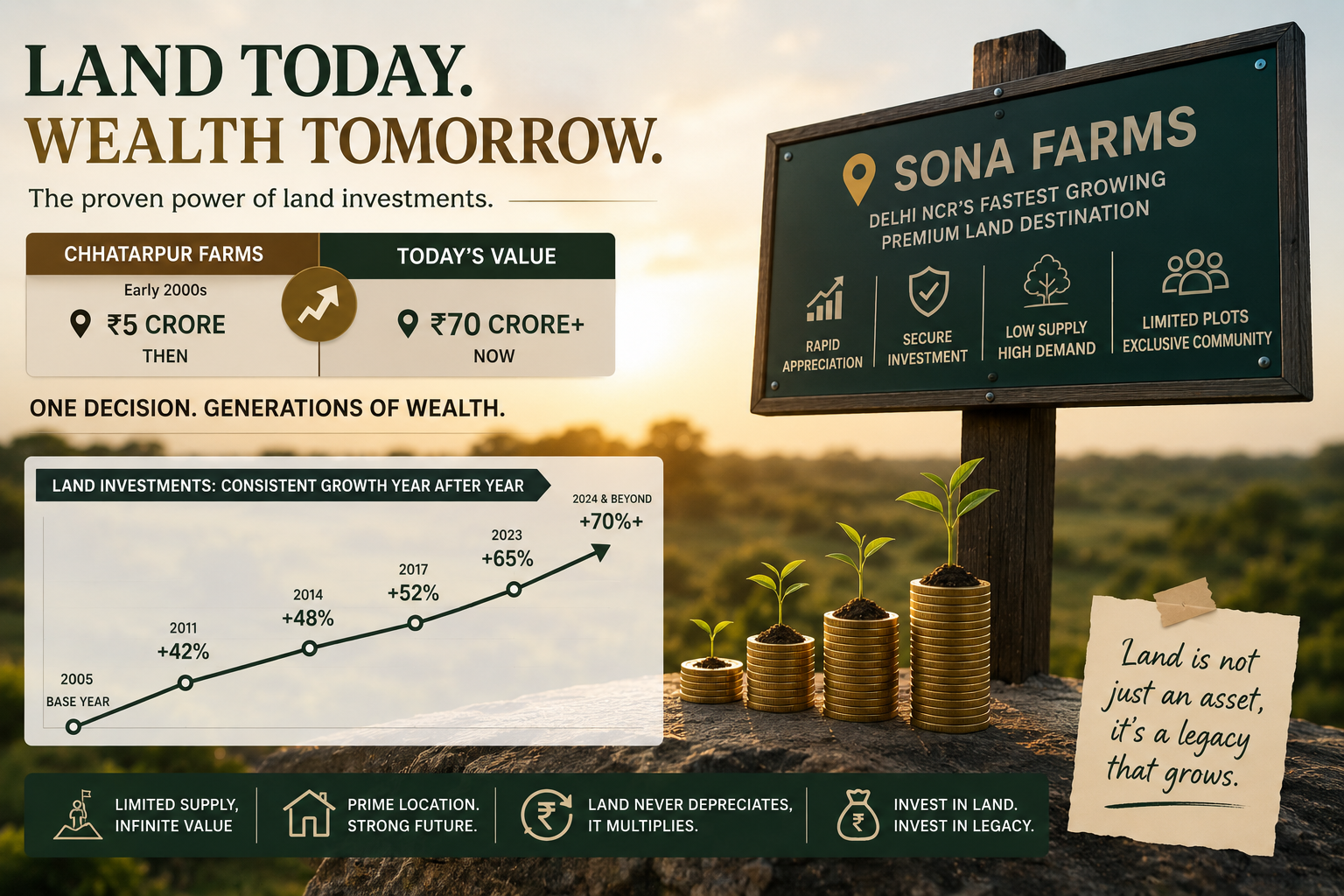
The ₹5 Crore Land Purchase That Became Worth ₹70 Crore
What the Story of DLF Chhatarpur Farms Reveals About Wealth Creation Through Premium Land Ownership
One short email. Stories you can use.
A free, occasional email from our editorial team with our latest features, explainers and reads. Unsubscribe any time — your email stays with us.