Europe's Fragmented Digital Aisles: The Slow Convergence of E-commerce
Despite a common currency and shared market ambitions, the digital shopping landscape across the European Union remains a patchwork of national champions and distinct consumer habits, posing unique challenges and opportunities for retailers.

From its vast logistics network spanning multiple nations, Zalando represents one vision of a unified European e-commerce market, yet its success is not universally replicated. While the German fashion giant has effectively navigated cultural nuances to build a pan-European presence, the broader digital retail environment across the continent continues to exhibit significant fragmentation, reflecting historical market structures and diverse consumer preferences.
The aspiration for a 'digital single market' has been a long-standing objective for Brussels, aiming to dismantle barriers to cross-border online trade. However, the reality on the ground often involves a complex interplay of differing regulatory frameworks, language barriers, and entrenched national loyalty towards specific platforms or retail brands. This environment means that a seamless customer journey from, for instance, a consumer in Marseille to a retailer in Berlin is far from guaranteed.
Consider the varied landscape: Poland's Allegro dominates its domestic market by a wide margin, leveraging its strong local brand recognition and extensive marketplace offerings. Similarly, in the Benelux region, Bol.com holds significant sway. France, meanwhile, sees players like Cdiscount alongside international giants, while traditional supermarkets such as Carrefour, REWE, and Lidl are making concerted efforts to expand their online grocery presence, each tailored to local logistical and demand patterns.
The Endurance of Local Preferences
Consumer behaviour across the EU exhibits considerable divergence. Nordic shoppers, for instance, demonstrate a high propensity for online purchases and digital payment methods, often embracing subscription models and advanced delivery options. In contrast, parts of Southern Europe have historically shown a slower adoption rate for certain e-commerce categories, though this trend is steadily shifting, particularly post-pandemic. The rise of second-hand platforms like Vinted, headquartered in Lithuania, illustrates a potent cross-border success story built on universal appeal rather than hyper-local adaptation.
The rapid growth and subsequent consolidation of instant grocery delivery services, such as the now-defunct Gorillas and Flink, also highlight market specificities. While these models saw initial capital floodgates open, the viability varied significantly by urban density and pre-existing grocery infrastructure in each country. Profitability proved elusive for many as they encountered established local competition and diverse consumer willingness to pay premium delivery fees.
Cross-border transactions, while growing, still face substantial hurdles. A consumer in Spain might find attractive prices from a German retailer, but differing return policies, shipping costs, and customer service in a non-native language can deter the final purchase. This friction underscores the enduring importance of localisation, not merely translation, but a comprehensive understanding of regional legal, cultural, and logistical ecosystems.
The promise of a unified European digital marketplace remains compelling, but its full realisation depends less on overarching policy and more on the granular adaptation by businesses to the continent's rich tapestry of regional distinctiveness.
The retail giants from outside the EU also play a role, often adapting their global strategies to fit European nuances. Yet, the mosaic of national preferences and regulatory environments means that a 'one-size-fits-all' approach rarely thrives. Success in this complex market often requires a nuanced strategy, balancing the efficiencies of scale with the imperative of local relevance.
News Legacy maintains editorial independence. Some recommendations may contain affiliate links. We earn from qualifying purchases at no additional cost to you. Read our policy.
Read Next

Is Sohna Really the Next Chhatarpur?
Three decades after Chhatarpur redrew South Delhi's map for space, privacy and exclusivity, a familiar pattern is now taking shape further south, and Sohna is where the smart money is beginning to look.
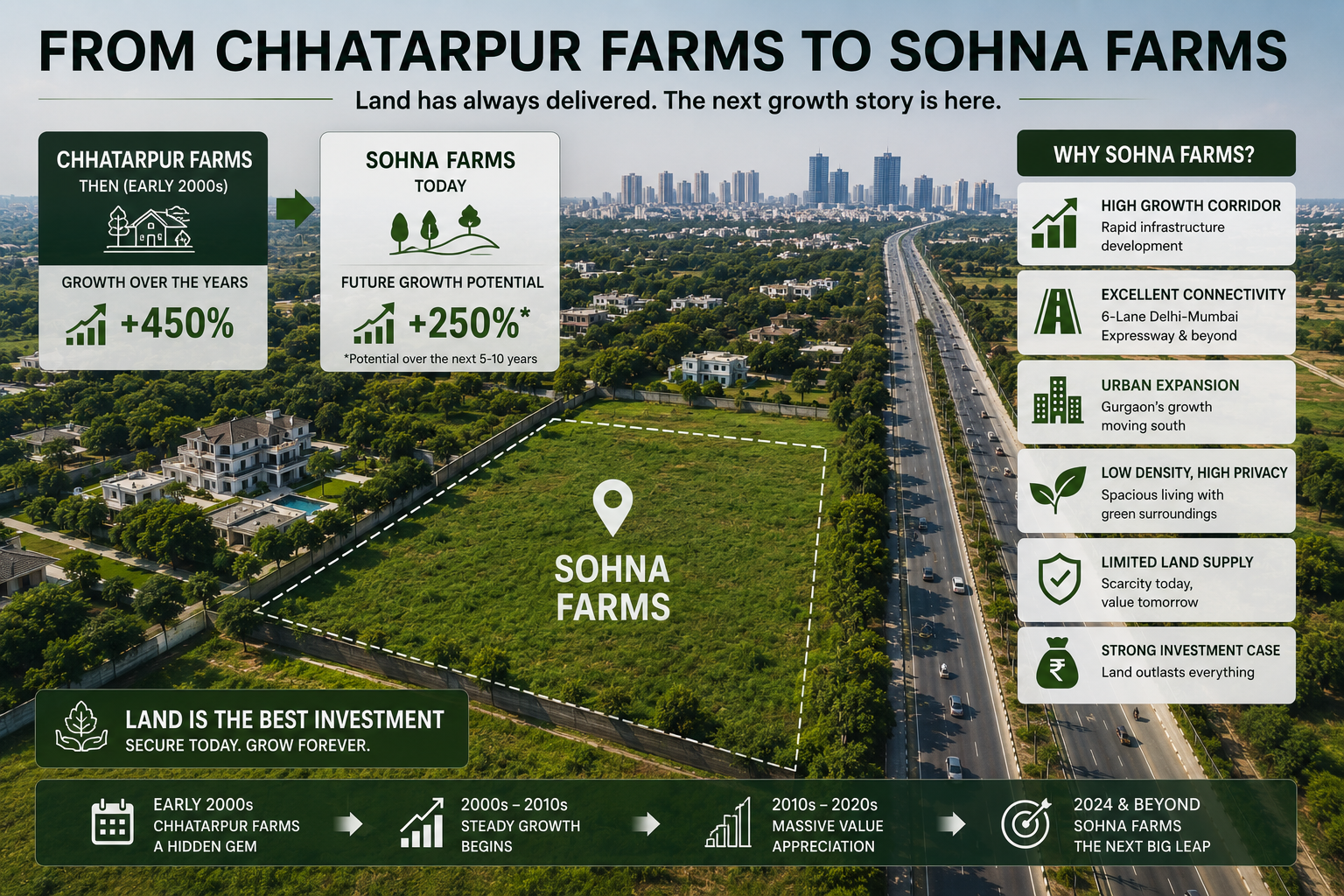
How Chhatarpur Farmhouses Created Multi-Crore Wealth for Early Buyers
What a quiet corner of South Delhi can teach investors about land, scarcity, and long-term wealth creation.
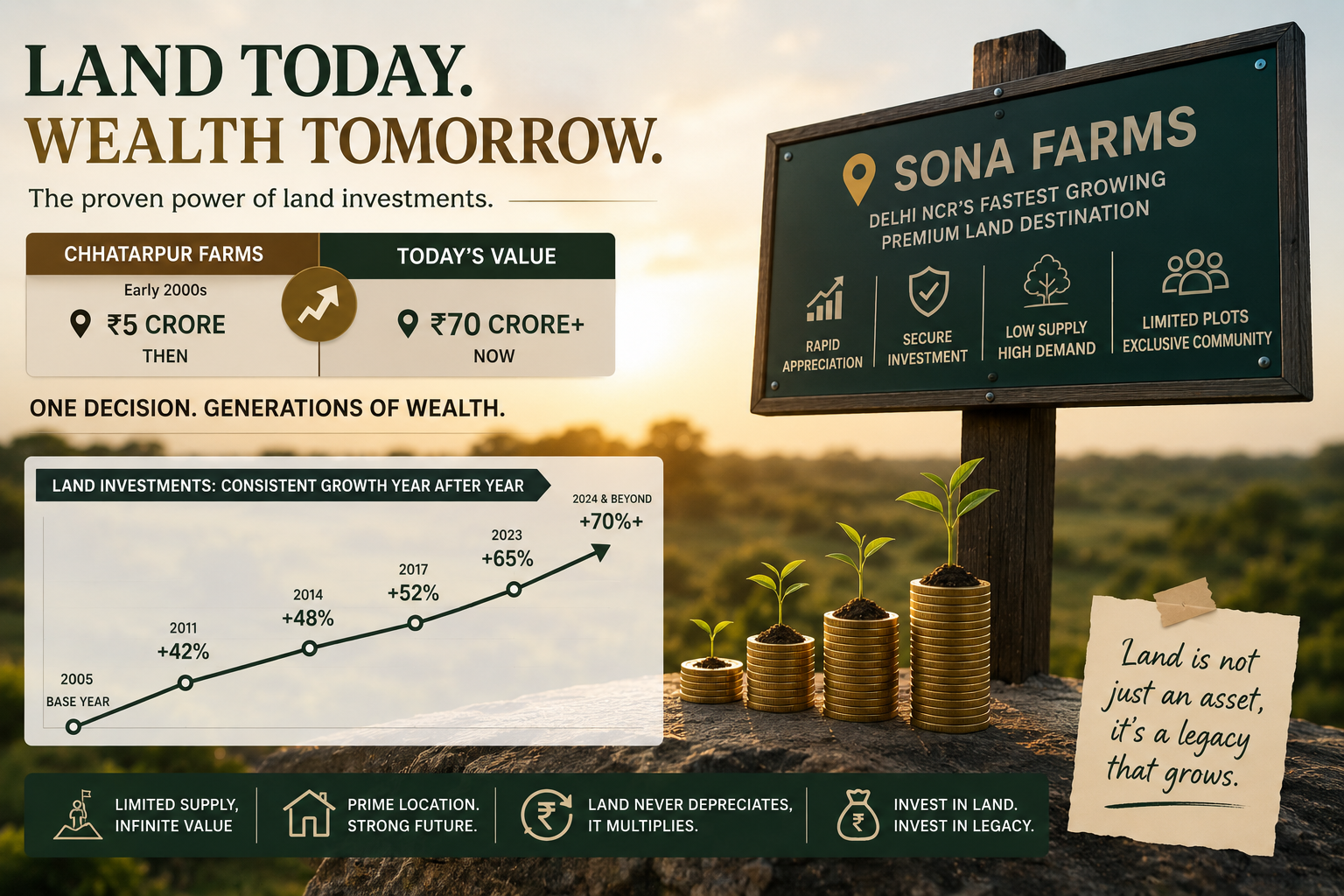
The ₹5 Crore Land Purchase That Became Worth ₹70 Crore
What the Story of DLF Chhatarpur Farms Reveals About Wealth Creation Through Premium Land Ownership
One short email. Stories you can use.
A free, occasional email from our editorial team with our latest features, explainers and reads. Unsubscribe any time — your email stays with us.