Europe's Fragmented Digital Market: A Persistent Challenge for E-commerce Dominance
Despite a unified economic bloc, e-commerce within the European Union remains a patchwork of national preferences and logistical hurdles, resisting a single market consolidation seen elsewhere.

While Amazon's omnipresence is undeniable across much of Europe, its strategic manoeuvres frequently encounter resilient local and regional champions. In Germany, Zalando maintains a formidable position in fashion, while Poland's Allegro commands a significant share of its domestic online marketplace. This pattern underscores a fundamental truth about European digital retail: a true continental hegemon remains elusive, reflecting deep-seated national consumer behaviours and regulatory complexities.
The aspiration for a seamless European digital single market, often voiced from Brussels, consistently confronts the reality of 27 distinct consumer cultures, language barriers, and national logistical networks. Even within major Western European economies, purchasing habits diverge significantly. A French shopper prioritising click-and-collect at a Carrefour hypermarket often contrasts with a German consumer preferring direct delivery from a pure-play online retailer.
Cross-border e-commerce, though growing, still faces friction. While platforms like Vinted have successfully scaled their second-hand apparel marketplace across multiple European nations, the movement of tangible goods, particularly for everyday essentials, remains largely confined by national borders. This is not merely a matter of shipping costs; it involves varying consumer protection laws, payment preferences, and return policies that can deter seamless international transactions even within the Eurozone.
Local Heroes and Logistical Labyrinths
Dutch platform Bol.com, for instance, thrives in the Benelux region, demonstrating that local relevance can outweigh the scale advantages of global giants. Similarly, French retailer Cdiscount carved out its niche through competitive pricing and robust domestic logistics. These players often possess a granular understanding of their home market's infrastructure, from parcel locker networks in Poland to specific last-mile delivery nuances in crowded Parisian suburbs.
The grocery sector offers a particularly stark illustration of this fragmentation. Rapid delivery services like the now-defunct Gorillas and the struggling Flink attempted pan-European expansion, often at unsustainable burn rates, only to contend with a mosaic of local competition. Established grocers such as Germany's REWE and Lidl have slowly built out their online presence, leveraging existing physical store networks for fulfilment, a strategy that often proves more sustainable than venture-backed blitzscaling.
The promise of a truly borderless European digital consumer experience remains aspirational, constrained by deeply ingrained national shopping habits and the complex practicalities of diverse legal and logistical frameworks.
Investment patterns reflect this decentralisation. While significant capital flows into European e-commerce, it frequently targets national or regional leaders rather than ventures aiming for immediate continental domination. The result is a vibrant but often fragmented ecosystem, characterised by intense competition within national boundaries and less aggressive cross-border rivalry than one might expect.
The Cost of Compliance and Customisation
Operating across Europe entails navigating a labyrinth of regulatory requirements, from GDPR to country-specific VAT rules and environmental packaging laws. Each market demands a degree of customisation, whether for website localisation, payment gateway integration, or advertising campaigns tailored to local sensitivities. This overhead can disproportionately burden smaller online retailers and even challenge larger entities seeking efficiency.
The cumulative effect is a e-commerce landscape where national champions, often supported by established trust and bespoke logistical solutions, continue to hold significant sway. While the long-term trend points towards greater integration, the path to a truly unified European digital marketplace remains protracted, defined more by gradual adaptation than by disruptive consolidation.
News Legacy maintains editorial independence. Some recommendations may contain affiliate links. We earn from qualifying purchases at no additional cost to you. Read our policy.
Read Next

Is Sohna Really the Next Chhatarpur?
Three decades after Chhatarpur redrew South Delhi's map for space, privacy and exclusivity, a familiar pattern is now taking shape further south, and Sohna is where the smart money is beginning to look.
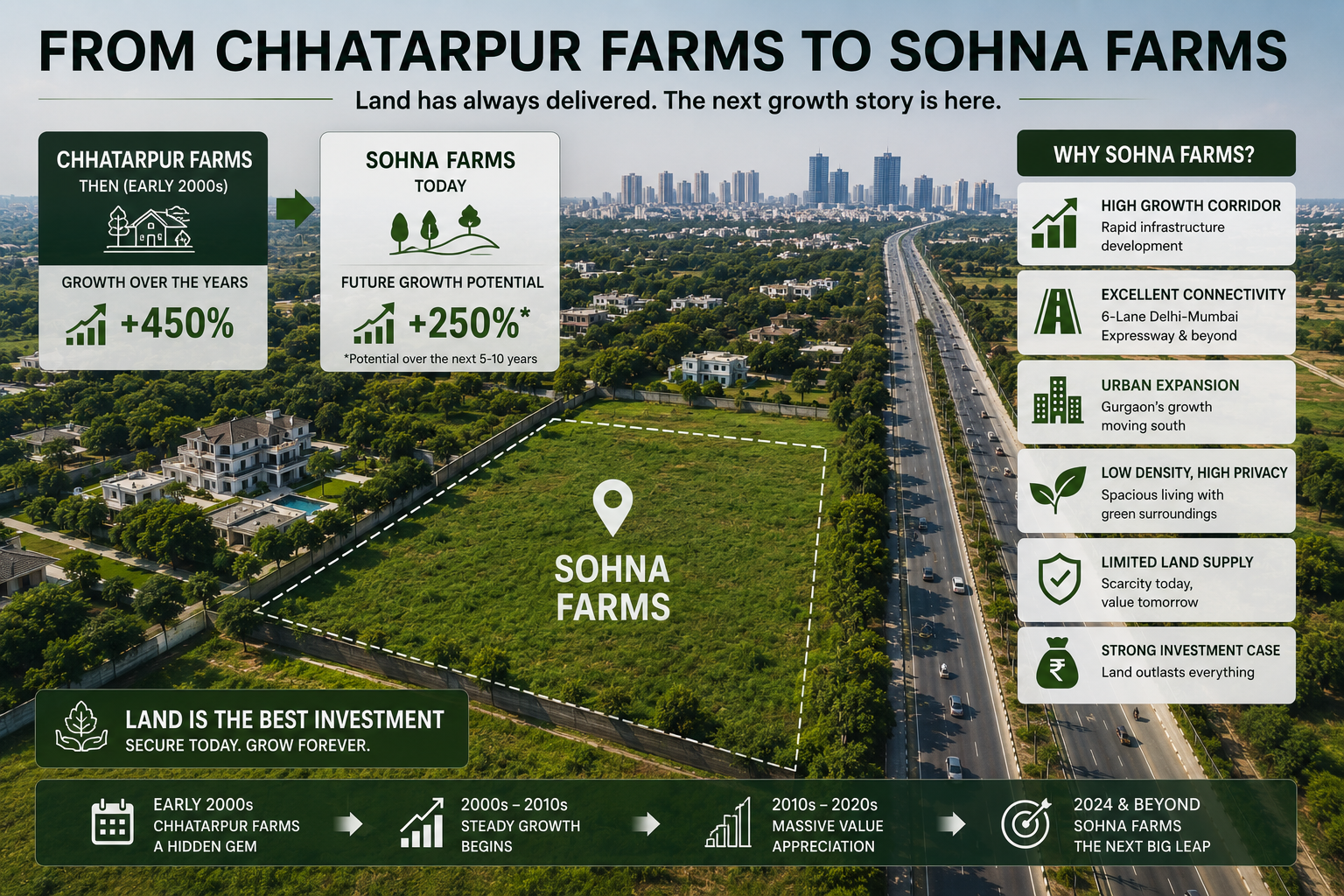
How Chhatarpur Farmhouses Created Multi-Crore Wealth for Early Buyers
What a quiet corner of South Delhi can teach investors about land, scarcity, and long-term wealth creation.
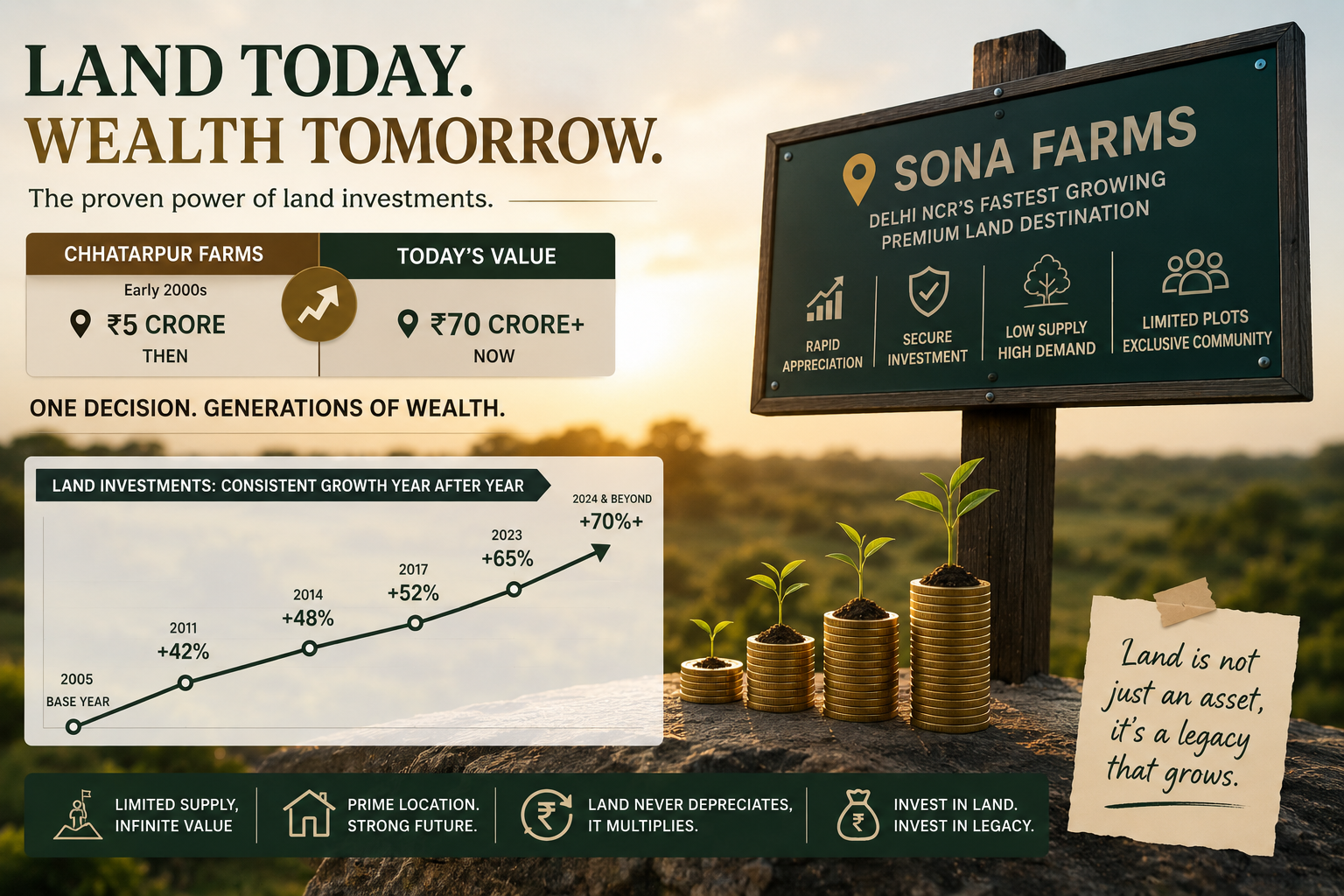
The ₹5 Crore Land Purchase That Became Worth ₹70 Crore
What the Story of DLF Chhatarpur Farms Reveals About Wealth Creation Through Premium Land Ownership
One short email. Stories you can use.
A free, occasional email from our editorial team with our latest features, explainers and reads. Unsubscribe any time — your email stays with us.