Europe's Fragmented Digital Shelf: Unbundling Consumer Habits
Across the continent, national retail traditions and diverse logistical landscapes continue to shape digital commerce, resisting a uniform online shopping experience and challenging cross-border ambitions.

In a bustling Berlin neighbourhood, a Flink delivery rider navigates cobbled streets, delivering groceries in minutes. Meanwhile, in rural France, a Carrefour Click & Collect locker stands sentinel outside a small town, offering a different cadence of convenience. These contrasting scenes underscore a persistent reality across the European Union: despite the perceived globalisation of e-commerce, consumer purchasing patterns and the digital retail infrastructure supporting them remain remarkably variegated, often bound by deep-seated local preferences and national champions.
For years, analysts have prognosticated a unified European digital marketplace, envisioning a single, seamless transactional plain. Yet, the lived experience for companies and consumers alike suggests a more complex tapestry. While global giants like Amazon exert significant influence, particularly in Western Europe, the market share remains fiercely contested by a robust ecosystem of domestic and regional players, from Zalando's fashion dominance in Germany to Allegro's ubiquity in Poland.
The Endurance of Local Logics
The notion of a 'European consumer' often obscures more than it reveals. A shopper in Madrid seeking fashion might gravitate towards an ASOS or Zalando, but for everyday household goods, Mercadona's robust online offering, despite its less sophisticated interface compared to some international rivals, often retains loyalty due to local trust and established supply chains. Similarly, German consumers, known for their price sensitivity and data privacy concerns, engage with online platforms differently than their counterparts in Italy, where brand heritage and physical store interaction still hold substantial sway.
Cross-border commerce, while growing, still faces significant friction. Language barriers, varying payment preferences – from credit cards prevalent in the Nordics to invoicing and PayPal in Germany – and complex return logistics often deter both consumers and retailers from fully embracing a pan-European strategy. Even within seemingly similar markets, cultural nuances dictate success. The rapid grocery delivery model, exemplified by the now-defunct Gorillas in many markets, found varying degrees of adoption and profitability, suggesting that the 'convenience premium' is not uniformly valued.
Large supermarket chains like REWE in Germany and Ahold Delhaize (Bol.com) in the Netherlands have invested heavily in their e-commerce capabilities, often leveraging existing physical store networks for last-mile fulfilment. This hybrid model, combining digital convenience with tangible proximity, resonates particularly well in markets where consumers appreciate the option of physical interaction or the perceived freshness guarantee of a local store. Lidl and Aldi, traditionally slow to embrace online, are now selectively expanding their digital footprints, adapting to specific national demands rather than a blanket approach.
The digital marketplace across Europe is less a single superhighway and more a collection of interconnected, yet distinct, regional roads, each with its own traffic patterns and preferred vehicles.
Niche Platforms and the Circular Economy
Beyond general merchandise, specialised platforms continue to carve out significant niches. Vinted, a Lithuanian-founded platform for second-hand fashion, has achieved considerable traction across Europe, notably in France and Germany, tapping into a growing consumer appetite for sustainability and affordability. This trend indicates a fragmentation not just geographically, but also by consumer values and product categories, where highly specific offerings can outperform broader marketplaces.
The financial implications of this fragmented landscape are substantial. While the total value of online retail in the EU reached approximately €700 billion in 2022, according to various industry reports, the cost of acquiring customers, managing diverse logistics networks, and localising marketing efforts across 27 distinct markets can be prohibitive. Companies like Cdiscount in France and Allegro in Poland have built formidable positions by tailoring their offerings precisely to their national context, often making them more resilient to external competition than pan-European aspirational ventures.
Ultimately, the vision of a seamless, borderless digital shopping experience across Europe remains more aspirational than actual. While digital adoption continues its upward trajectory, particularly since the pandemic, the underlying cultural, logistical, and competitive dynamics ensure that the continent's digital shelf will continue to reflect its deep-seated diversity for the foreseeable future. Retailers, both established and emergent, must navigate this mosaic, understanding that success lies in adaptation to local conditions rather than the imposition of a singular model.
News Legacy maintains editorial independence. Some recommendations may contain affiliate links. We earn from qualifying purchases at no additional cost to you. Read our policy.
Read Next

Is Sohna Really the Next Chhatarpur?
Three decades after Chhatarpur redrew South Delhi's map for space, privacy and exclusivity, a familiar pattern is now taking shape further south, and Sohna is where the smart money is beginning to look.
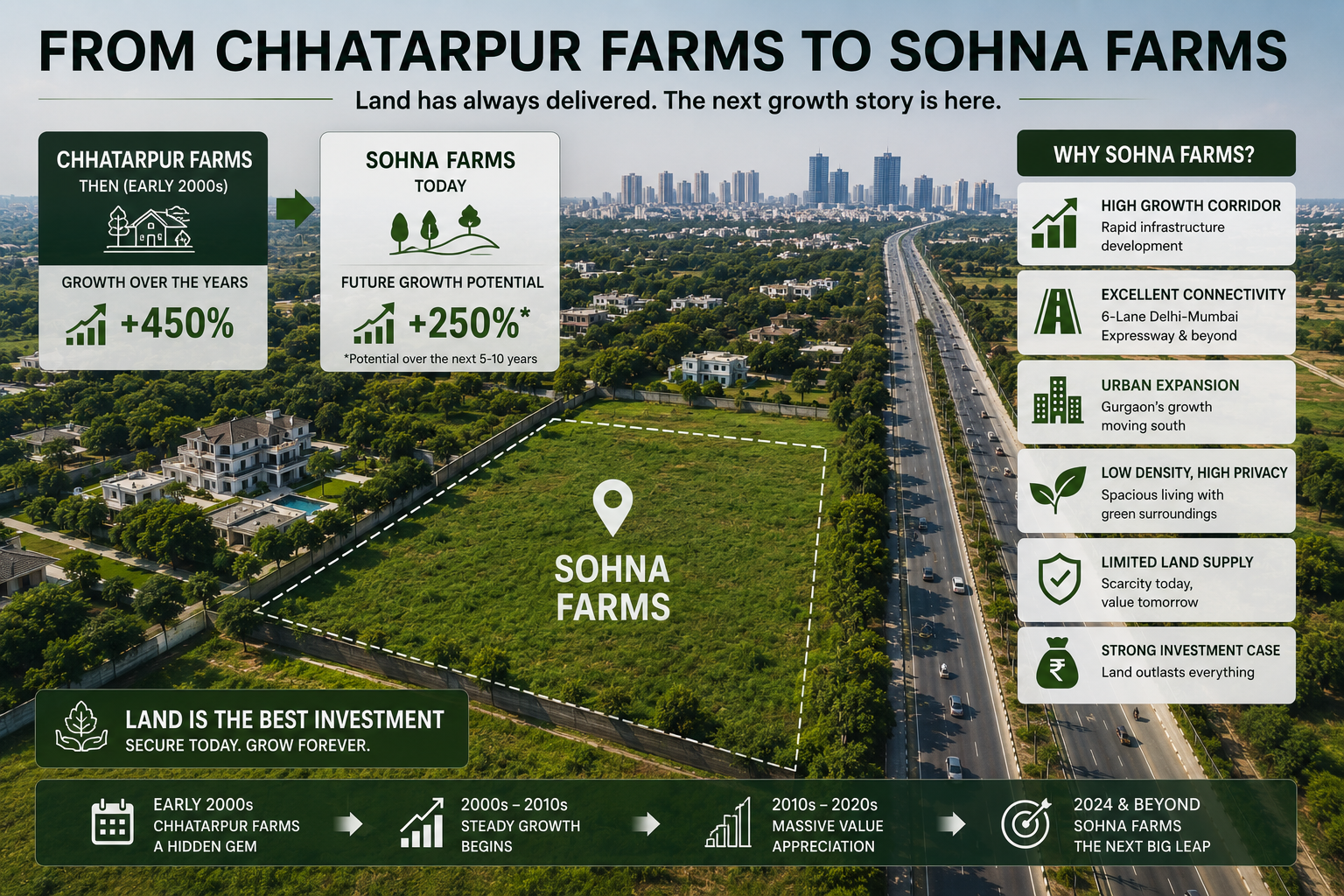
How Chhatarpur Farmhouses Created Multi-Crore Wealth for Early Buyers
What a quiet corner of South Delhi can teach investors about land, scarcity, and long-term wealth creation.
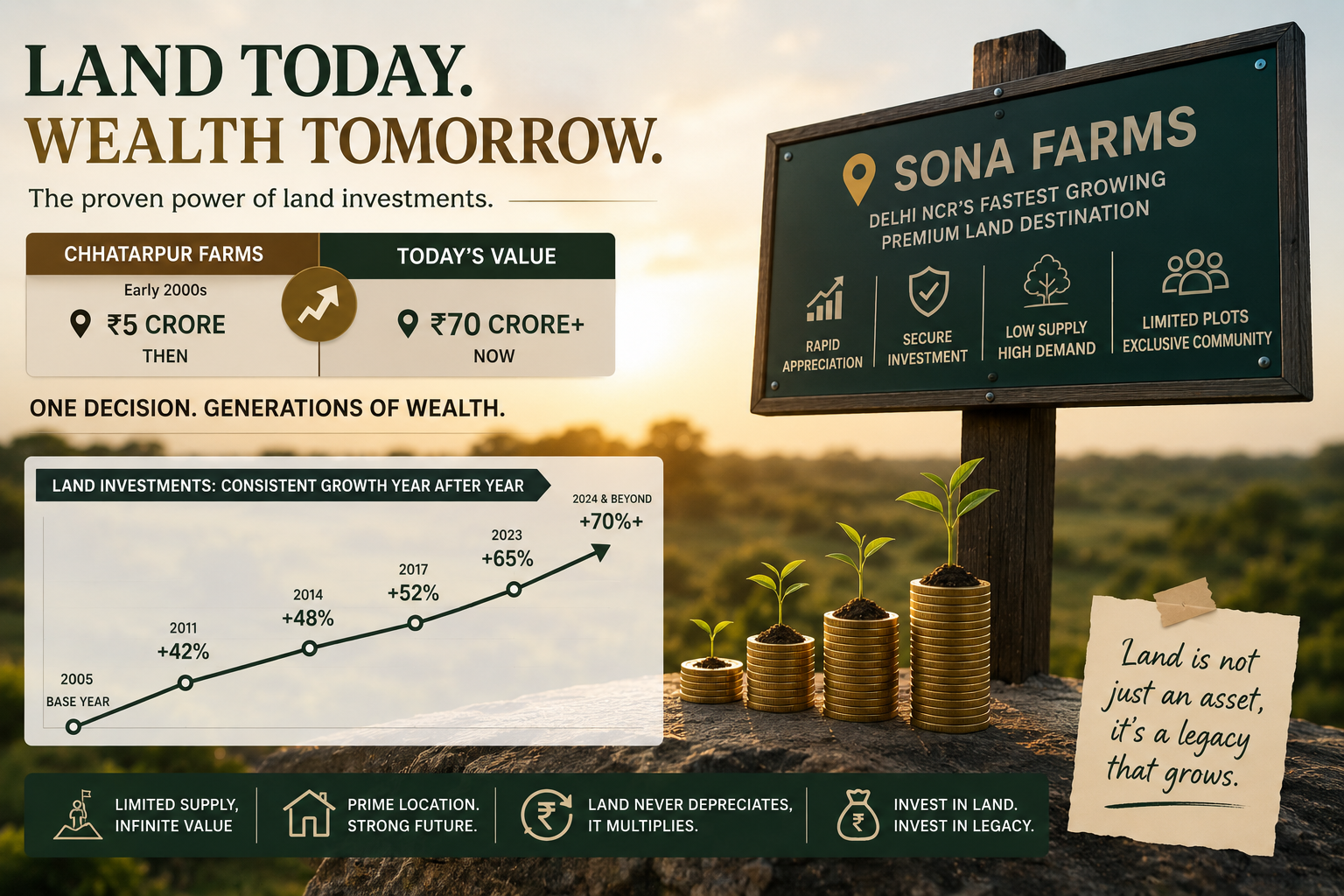
The ₹5 Crore Land Purchase That Became Worth ₹70 Crore
What the Story of DLF Chhatarpur Farms Reveals About Wealth Creation Through Premium Land Ownership
One short email. Stories you can use.
A free, occasional email from our editorial team with our latest features, explainers and reads. Unsubscribe any time — your email stays with us.