Europe's Marketplace Calculus: Scaling Beyond National Borders
The continent's diverse e-commerce landscape is fostering a complex competitive dynamic, where local giants vie with international players for cross-border dominance and consumer loyalty.

From its Berlin headquarters, Zalando continues its strategic push into new categories, leveraging its established fashion foothold to explore beauty and home goods across multiple European markets. This expansion mirrors a broader trend among continental e-commerce platforms: a persistent drive to extend their reach beyond national boundaries, navigating a patchwork of consumer preferences, regulatory frameworks, and logistical challenges that define the European digital economy.
The notion of a unified European digital single market remains more aspirational than actual, particularly for online retailers. While the euro facilitates transactions across much of the zone, distinct language barriers, payment preferences, and delivery expectations continue to segment the market. A consumer in Poznań shopping on Allegro, for instance, exhibits different platform loyalty and product discovery patterns than a shopper using Cdiscount in Lyon or Bol in Amsterdam. This fragmentation presents both an impediment and an opportunity for platforms capable of hyper-localising their offerings while maintaining scale.
The Pursuit of Regional Hegemony
Major national players have historically thrived within their domestic ecosystems. Allegro dominates in Poland, its strong brand recognition and extensive product assortment making it the primary online destination for millions. Similarly, Bol holds a commanding position in the Netherlands and Belgium. The challenge for these entities now lies in replicating this success across adjacent territories without diluting their core appeal. Entering a new market requires substantial investment in localised operations, marketing, and often, new logistics infrastructure.
The grocery sector offers a particularly vivid illustration of this dynamic. While pure-play rapid delivery services like Gorillas and Flink encountered significant financial headwinds and consolidation, established brick-and-mortar giants such as Carrefour and REWE are steadily enhancing their digital marketplace capabilities. Their advantage lies in existing physical networks, which can be leveraged for click-and-collect or local fulfilment, a hybrid model that resonates with a segment of European consumers. Even discount retailers like Lidl are expanding their online grocery offerings, albeit with varying degrees of integration into marketplace models.
Cross-border trade within Europe shows consistent growth, yet it remains far from seamless. Data from recent years indicates that a significant percentage of online purchases by French, German, or Spanish consumers still originate from domestic retailers, despite the availability of cross-border options. This preference is often driven by perceived ease of returns, familiarity with customer service, and faster delivery times from local warehouses. Overcoming these entrenched habits requires a compelling value proposition from external players.
The true test for European marketplaces is not merely acquiring users, but retaining them through a consistently tailored experience that acknowledges the continent's rich tapestry of cultures and expectations.
Second-hand fashion marketplace Vinted, headquartered in Lithuania, presents an interesting counter-narrative to the national-champion model. Its success in scaling across multiple European countries, including Germany, France, and Spain, demonstrates that a strong niche proposition, coupled with an effective community-driven model and efficient logistics for smaller parcel sizes, can transcend national borders more readily. Their focus on sustainability and value resonates broadly.
The next phase of competition among European marketplaces will likely see continued strategic acquisitions and partnerships aimed at consolidating market share and optimising logistical networks. Players capable of integrating diverse payment methods, offering localised customer support in multiple languages, and navigating complex VAT regulations across various jurisdictions will be best positioned for sustained growth. The ambition for a truly pan-European digital commerce entity persists, but its realisation demands an acute understanding of the continent's enduring diversity, not its homogenisation.
Ultimately, the competitive landscape in Europe is not a zero-sum game between local and international players, but rather an intricate ecosystem where platforms must continuously adapt. Success hinges on a delicate balance: scaling operations efficiently while remaining hyper-attuned to the nuances of each national market, thereby fostering trust and convenience for a continental consumer base that remains fundamentally local in its digital habits.
News Legacy maintains editorial independence. Some recommendations may contain affiliate links. We earn from qualifying purchases at no additional cost to you. Read our policy.
Read Next

Is Sohna Really the Next Chhatarpur?
Three decades after Chhatarpur redrew South Delhi's map for space, privacy and exclusivity, a familiar pattern is now taking shape further south, and Sohna is where the smart money is beginning to look.
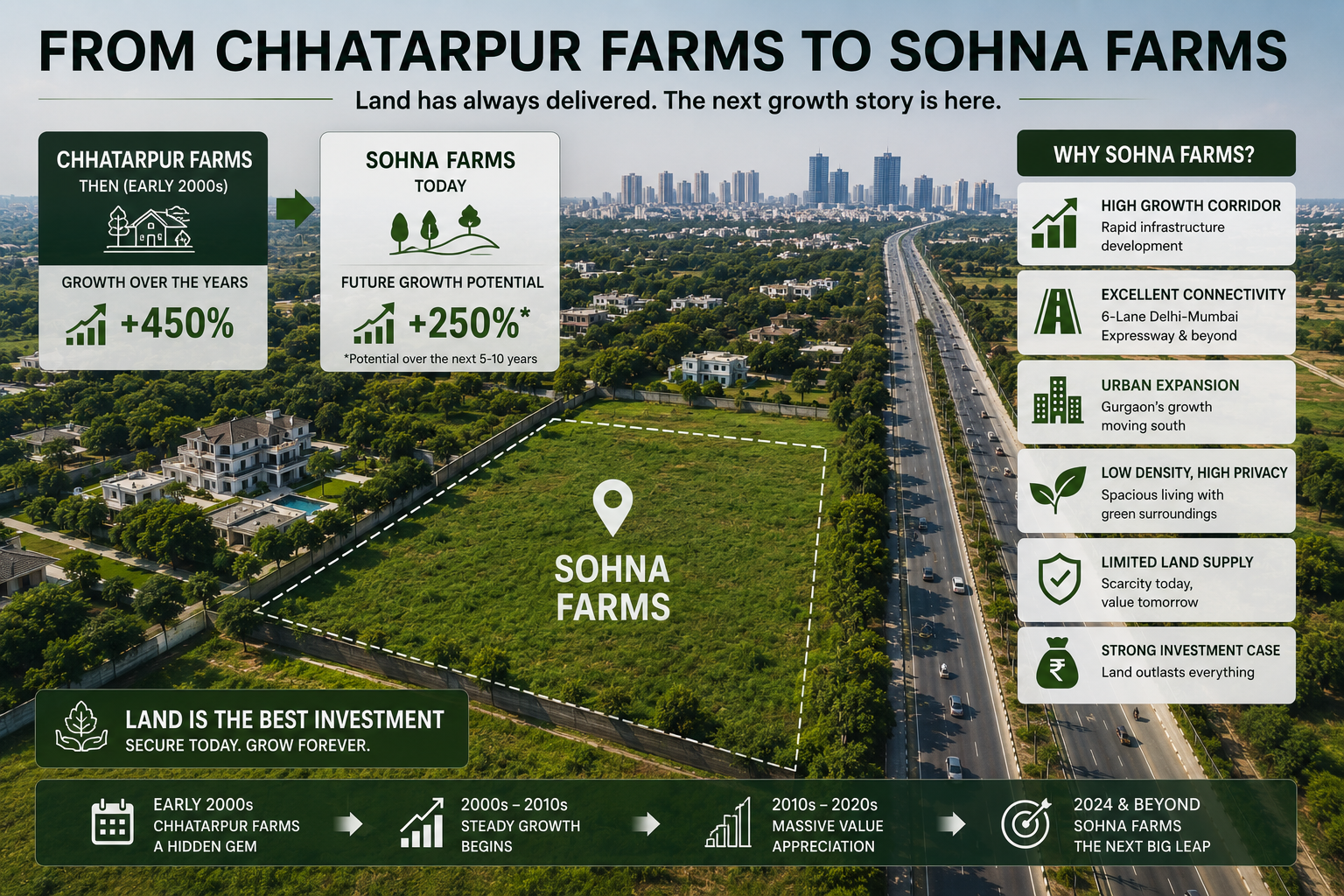
How Chhatarpur Farmhouses Created Multi-Crore Wealth for Early Buyers
What a quiet corner of South Delhi can teach investors about land, scarcity, and long-term wealth creation.
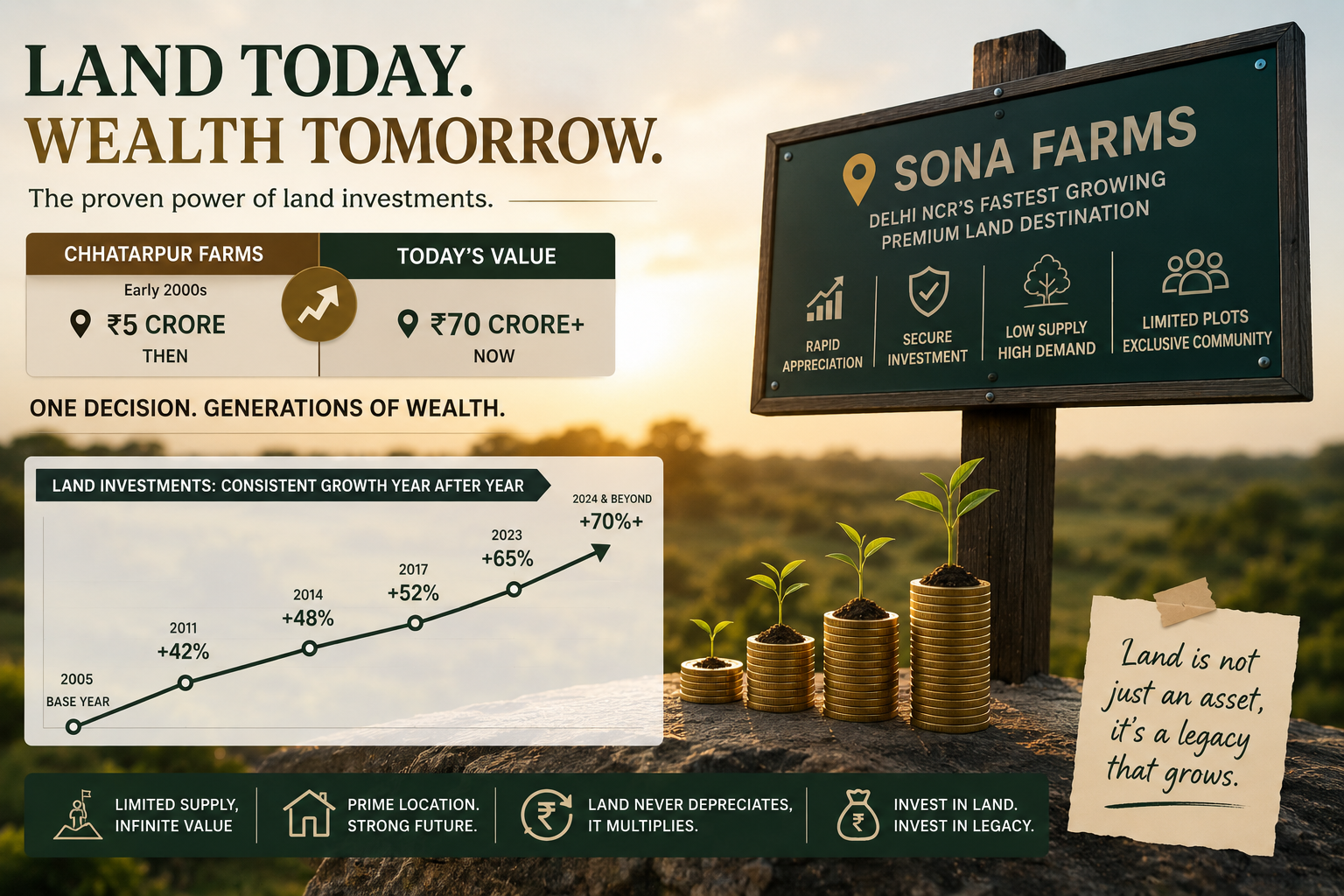
The ₹5 Crore Land Purchase That Became Worth ₹70 Crore
What the Story of DLF Chhatarpur Farms Reveals About Wealth Creation Through Premium Land Ownership
One short email. Stories you can use.
A free, occasional email from our editorial team with our latest features, explainers and reads. Unsubscribe any time — your email stays with us.