Europe's Marketplace Mosaic: Local Fortresses and Cross-Border Ambitions
The continental European e-commerce landscape is fragmenting and consolidating simultaneously, as regional giants fend off global challengers while exploring their own international expansion within a diverse regulatory and consumer environment.

In Poland, Allegro continues to demonstrate robust dominance, a stark contrast to the more contested marketplace territories further west. This regional strength exemplifies a broader pattern across Europe where local incumbents, often with deep-seated brand recognition and tailored logistics, maintain significant market share against the universal appeal of Amazon. Understanding these dynamics is crucial for any entity seeking to thrive in the continent's varied digital retail ecosystem.
The competitive environment is characterised by distinct national champions. In the Netherlands and Belgium, Bol.com holds a formidable position, leveraging its established customer base and extensive product catalogue. Similarly, France sees Cdiscount, part of the Casino Group, retaining a strong domestic foothold, albeit within a market that has increasingly welcomed a broader array of international players.
The Struggle for Pan-European Scale
Achieving true pan-European scale remains an elusive goal for many. While Zalando has successfully built a fashion empire spanning multiple countries, its model is sector-specific. General merchandise marketplaces face significant hurdles, including language barriers, diverse payment preferences, and complex cross-border tax and consumer protection regulations. This complexity often incentivises a focus on perfecting domestic operations rather than aggressive internationalisation.
The rapid grocery delivery sector, once brimming with optimism and venture capital, offers a cautionary tale. Companies like Gorillas and Flink initially pursued aggressive multi-market expansion across Germany, France, and other nations. However, the operational complexities and intense competition led to significant retrenchment and consolidation, illustrating the difficulties of scaling logistics-heavy models across disparate urban environments.
Retailers with strong physical footprints are also making their play. Carrefour in France and REWE in Germany are actively developing their own online marketplaces, capitalising on existing supply chains and customer trust. Lidl, known for its discount model, is also investing in its digital presence, indicating a strategic shift towards omnichannel engagement that extends beyond its traditional brick-and-mortar strength.
The European consumer's enduring preference for local brands and services, even when shopping online, presents both a barrier to entry for newcomers and a strategic asset for established national players.
Niche Platforms and the Circular Economy
Beyond the general merchandise behemoths, specialised marketplaces are carving out significant market share. Vinted, headquartered in Lithuania, has demonstrated remarkable success in the second-hand fashion market across multiple European territories, from France to Germany and Spain. Its growth highlights a rising consumer appetite for sustainable consumption and offers a model for cross-border expansion rooted in a strong value proposition and community building.
The fragmented nature of the European Union's digital single market, despite harmonisation efforts, continues to shape strategic decisions. Companies must navigate a patchwork of national consumer laws, data protection regimes, and competition authority oversight. This necessitates tailored approaches for each market, often making a one-size-fits-all expansion strategy impractical or inefficient.
Looking ahead, the European marketplace landscape will likely see continued investment in hybrid models – those combining marketplace functionality with proprietary retail offerings. The pressure to offer competitive pricing, broad selection, and efficient last-mile delivery will intensify, pushing both established giants and nimble specialists to innovate continually within their chosen geographical and vertical segments.
News Legacy maintains editorial independence. Some recommendations may contain affiliate links. We earn from qualifying purchases at no additional cost to you. Read our policy.
Read Next

Is Sohna Really the Next Chhatarpur?
Three decades after Chhatarpur redrew South Delhi's map for space, privacy and exclusivity, a familiar pattern is now taking shape further south, and Sohna is where the smart money is beginning to look.
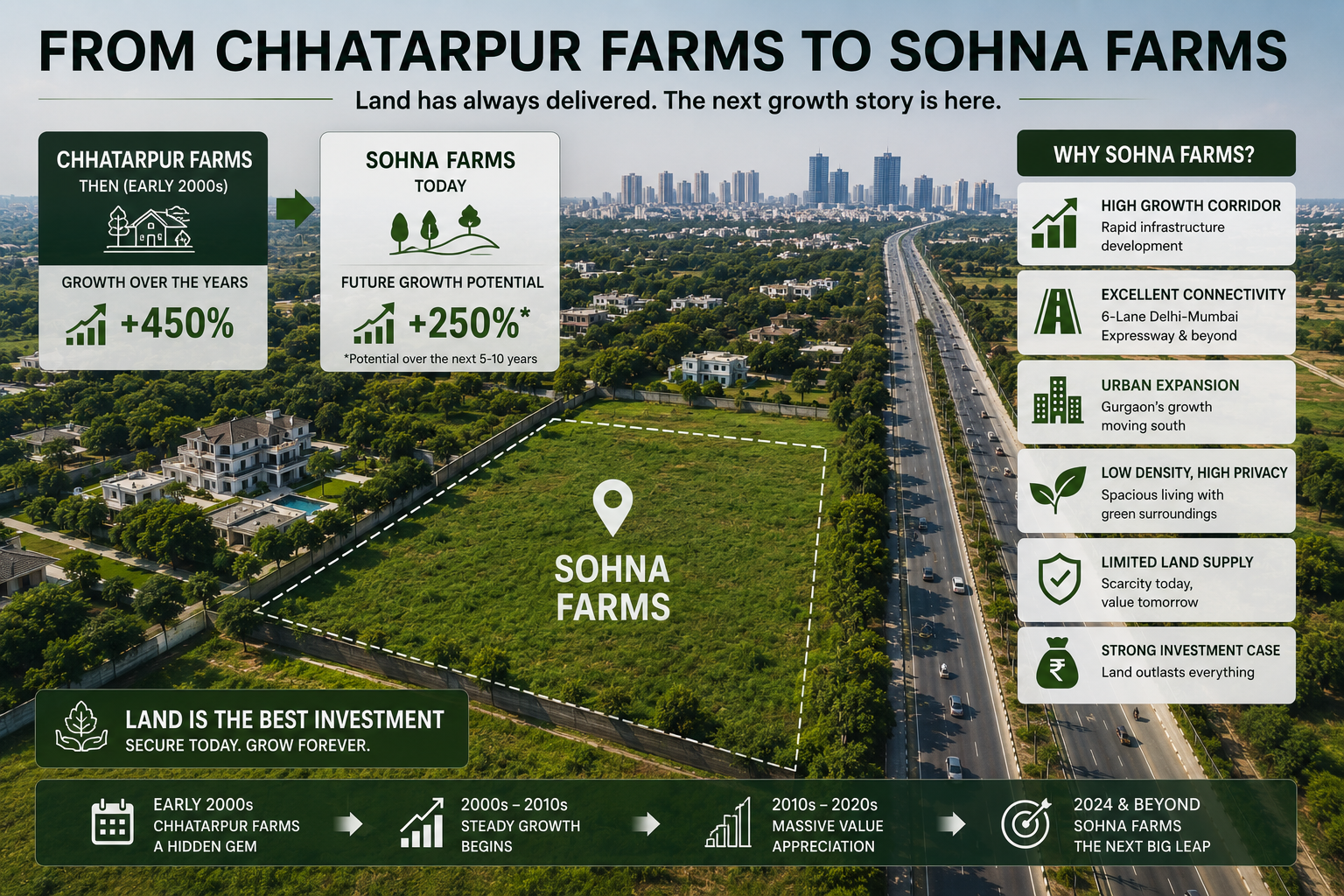
How Chhatarpur Farmhouses Created Multi-Crore Wealth for Early Buyers
What a quiet corner of South Delhi can teach investors about land, scarcity, and long-term wealth creation.
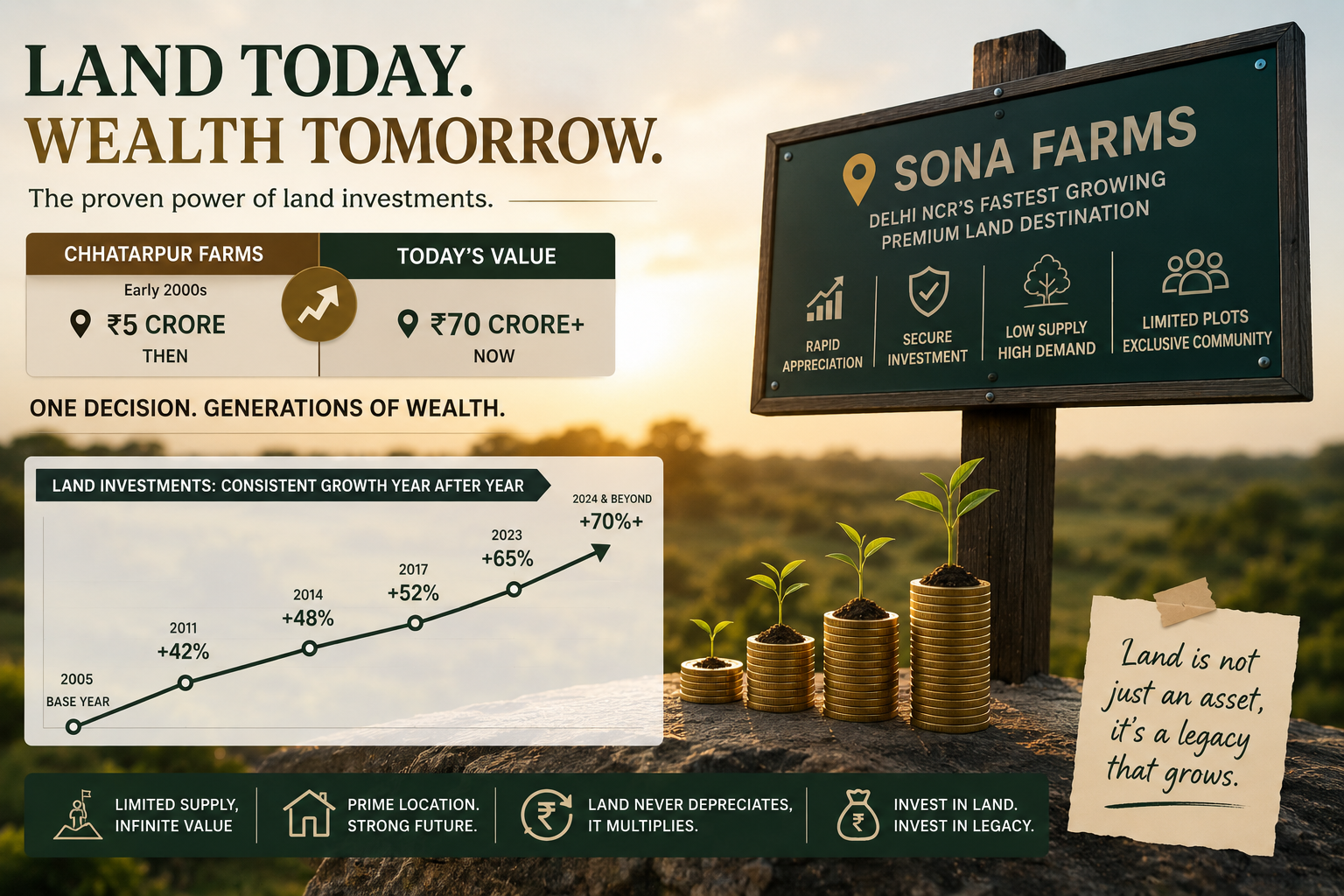
The ₹5 Crore Land Purchase That Became Worth ₹70 Crore
What the Story of DLF Chhatarpur Farms Reveals About Wealth Creation Through Premium Land Ownership
One short email. Stories you can use.
A free, occasional email from our editorial team with our latest features, explainers and reads. Unsubscribe any time — your email stays with us.