Europe's Marketplace Mosaic: Navigating Fragmentation Amidst Amazon's Shadow
The continental European e-commerce landscape, marked by diverse national champions and varied consumer habits, presents a complex tableau for marketplace operators seeking scale while fending off global giants.

From the digital storefronts of Zalando in Germany to Allegro's dominance in Poland, Europe's online marketplaces exhibit a distinct character. Unlike the more consolidated American or Chinese markets, the European Union's e-commerce fabric is woven with a patchwork of national leaders, each leveraging local preferences and logistics to carve out significant market share. This regionalisation, however, presents both a bulwark against monolithic competitors and a challenge for those aspiring to pan-European ubiquity.
The inherent linguistic, regulatory, and logistical divergences across the EU’s 27 member states have fostered the growth of specialised platforms. French consumers, for instance, might gravitate towards Cdiscount for electronics and home goods, while Dutch shoppers regularly use Bol.com. The ascent of circular economy players like Vinted, originating from Lithuania but now a significant force across Western Europe, further illustrates the potential for home-grown success stories that resonate with specific consumer values, particularly around sustainability and thrift.
The fragmentation of the European online retail sector ensures a diverse competitive environment, but also demands a highly adaptive strategy from any platform aiming for cross-border scale.
The Enduring Appeal of Local Champions
Many national champions have successfully leveraged deep understanding of local consumer psychology and existing infrastructure. Retail heavyweights such as Carrefour and REWE are steadily expanding their digital marketplace offerings, capitalising on established brand trust and extensive physical footprints. Lidl, known for its discount model, has also entered the online arena, extending its value proposition into digital channels. These traditional retailers often integrate online marketplaces as a strategic extension of their omni-channel ambitions, rather than as a primary business model, differentiating them from pure-play e-commerce entities.
However, even strong national players face the perennial challenge of cross-border expansion. While Zalando has successfully expanded beyond its German roots to become a significant fashion e-tailer across several EU countries, replicating this success is not straightforward for every platform. Logistics, payment preferences, and even return policies can vary significantly from France to Spain, or from Italy to the Nordic countries, introducing friction and complexity for international scaling.
The Struggle for Quick Commerce Consolidation
The rapid grocery delivery sector, often operating on a marketplace model, offers a stark illustration of the challenges of scaling within Europe. Companies like Gorillas and Flink, once heralded as disruptors, encountered significant operational and profitability hurdles. While some established grocery chains are experimenting with their own rapid delivery services, the broader quick commerce market has seen consolidation and strategic retrenchment. The promise of hyper-local delivery at scale has proven difficult to monetise universally across diverse urban environments and regulatory frameworks within the EU.
Amazon remains a formidable presence, especially in larger markets like Germany, France, and Spain. Its expansive logistics network and vast product assortment offer a compelling proposition to many consumers. Yet, even Amazon has adapted its strategy, often prioritising certain categories or services in different regions rather than enforcing a uniform approach. The resilience of local players suggests that a one-size-fits-all model struggles to fully capture Europe's nuanced consumer landscape and regulatory demands. The path to pan-European market leadership remains primarily through strategic adaptation rather than brute-force expansion.
News Legacy maintains editorial independence. Some recommendations may contain affiliate links. We earn from qualifying purchases at no additional cost to you. Read our policy.
Read Next

Is Sohna Really the Next Chhatarpur?
Three decades after Chhatarpur redrew South Delhi's map for space, privacy and exclusivity, a familiar pattern is now taking shape further south, and Sohna is where the smart money is beginning to look.
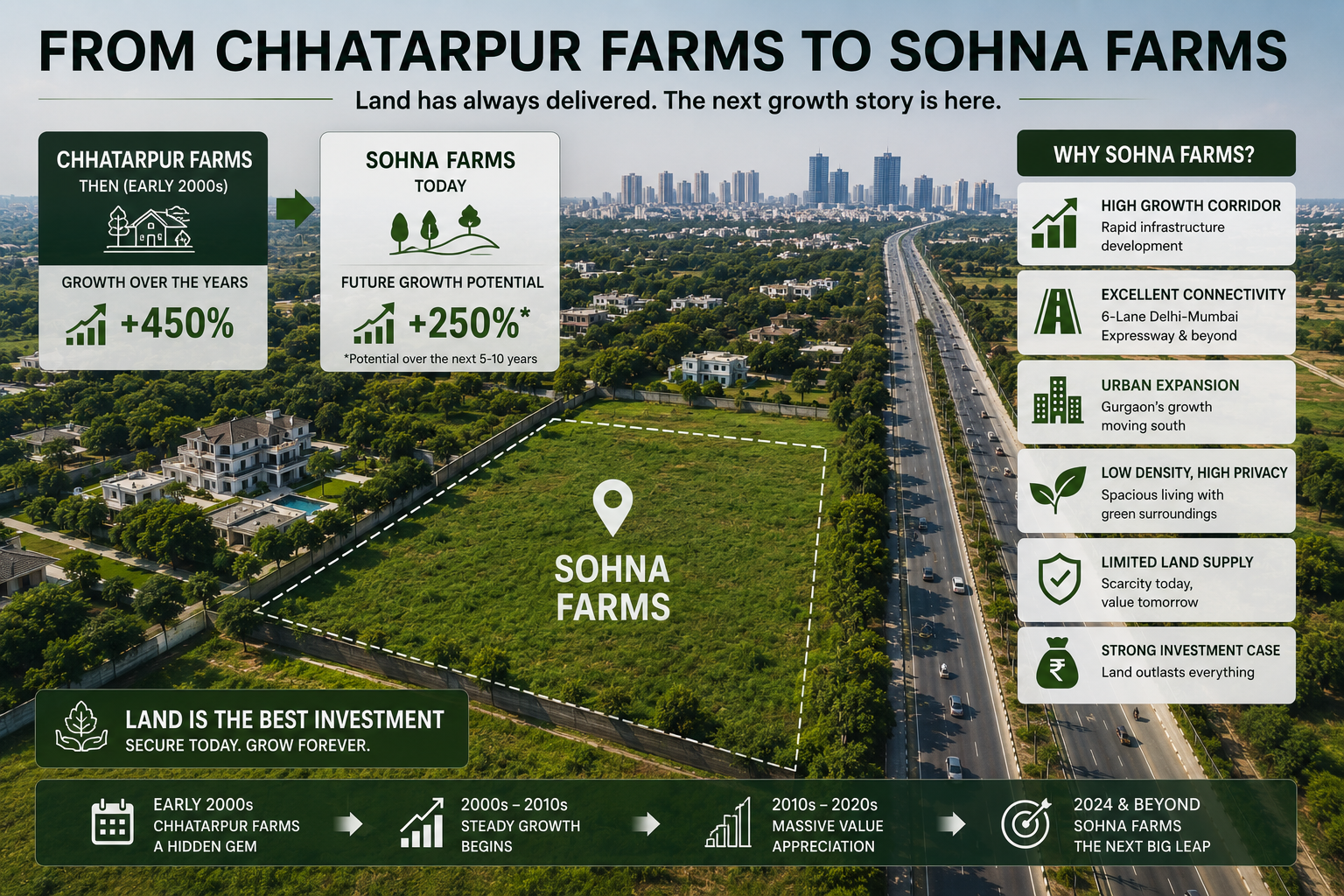
How Chhatarpur Farmhouses Created Multi-Crore Wealth for Early Buyers
What a quiet corner of South Delhi can teach investors about land, scarcity, and long-term wealth creation.
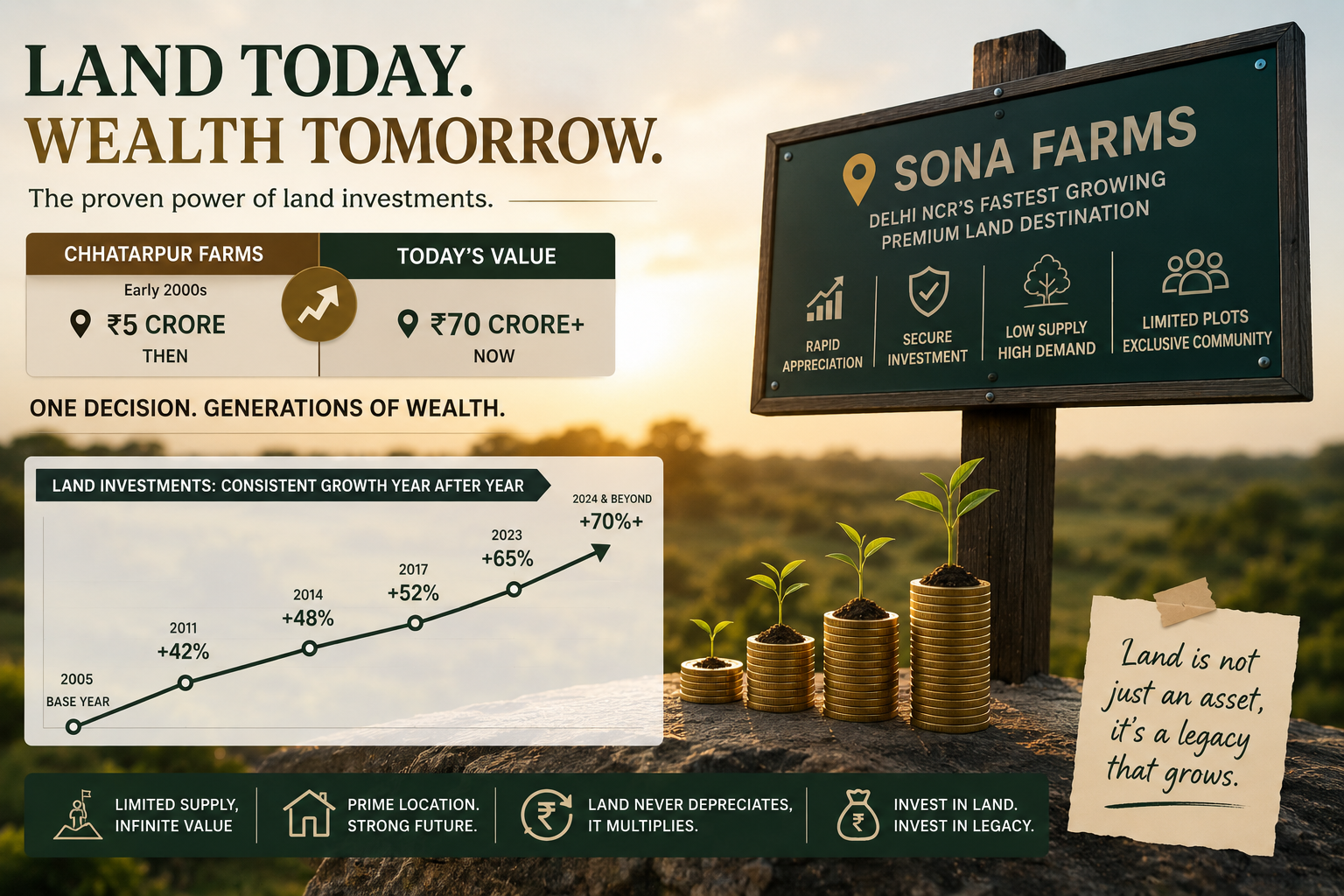
The ₹5 Crore Land Purchase That Became Worth ₹70 Crore
What the Story of DLF Chhatarpur Farms Reveals About Wealth Creation Through Premium Land Ownership
One short email. Stories you can use.
A free, occasional email from our editorial team with our latest features, explainers and reads. Unsubscribe any time — your email stays with us.