Europe's Retail Consolidation: A Test for Digital Upstarts
The continent's diverse consumer landscape, once a fertile ground for agile digital retailers, is now witnessing a strategic push by incumbents and a challenging financing environment, reshaping the competitive playing field.

From its expansive distribution centre in Erfurt, Germany, Zalando orchestrates the delivery of millions of fashion items across Europe. This operational scale, hard-won over a decade and a half, underscores a pivotal shift in European retail. What began as a fragmented collection of national markets, ripe for digital disruption, is increasingly a battleground where size, capital efficiency, and cross-border integration dictate survival, particularly for newer entrants.
The early 2020s saw a wave of venture capital propel rapid grocery delivery services like Gorillas and Flink into prominence, promising convenience at unprecedented speeds. Yet, the subsequent tightening of investment capital and a renewed focus on profitability have exposed the vulnerabilities of business models reliant on high burn rates and unproven unit economics. Gorillas’ eventual acquisition by Getir, itself facing significant operational adjustments, illustrates this recalibration.
Traditional European retailers are not static. Carrefour, REWE, and Lidl, with their vast physical footprints and established supply chains, have aggressively expanded their digital offerings and partnerships. This integration leverages existing infrastructure and customer trust, posing a formidable challenge to pure-play online competitors. Their strategic digital investments are less about disruption and more about extending market dominance.
The Cross-Border Imperative
Navigating the regulatory patchwork and diverse consumer preferences across the EU remains a significant hurdle for retailers, regardless of their origin. Companies like Poland's Allegro, originally dominant in its home market, are now actively pursuing expansion into neighbouring countries, eyeing markets previously served by Amazon or national champions. Similarly, Bol.com, strong in the Benelux region, faces constant strategic choices regarding broader European expansion.
France, with its strong domestic retail tradition, and Germany, a market characterised by price sensitivity and a robust discounter presence, represent distinct challenges. Spain and Italy, while showing strong e-commerce growth, often reward local adaptation. The Nordic countries, with their high digital penetration and sophisticated logistics, offer a different set of opportunities and demands.
The sustained growth of profitability-focused incumbents and the struggles of some highly-funded, rapid-expansion digital players highlight the enduring importance of operational discipline over speculative market-share grabs.
For newer businesses, the path to scale now often involves strategic M&A or focusing on niche categories that established players find difficult to serve efficiently. Vinted, the Lithuanian second-hand fashion marketplace, exemplifies a successful model built on community engagement and sustainable commerce, demonstrating that differentiated value propositions can still thrive without direct confrontation with generalist giants.
Investment patterns reflect this evolving landscape. While seed and early-stage funding for innovative retail tech continue, the blockbuster late-stage rounds for capital-intensive, loss-making consumer-facing operations have diminished considerably since their peak. Investors now scrutinise pathways to profitability and sustainable customer acquisition costs with greater intensity.
The European retail sector is undeniably undergoing a period of profound restructuring. The early distinction between 'online' and 'offline' players has blurred, replaced by a complex ecosystem where agility, capital efficiency, and a deep understanding of local market nuances are paramount. The next generation of successful European retail ventures will likely be those that can master operational scale while retaining a flexible, customer-centric approach.
News Legacy maintains editorial independence. Some recommendations may contain affiliate links. We earn from qualifying purchases at no additional cost to you. Read our policy.
Read Next

Is Sohna Really the Next Chhatarpur?
Three decades after Chhatarpur redrew South Delhi's map for space, privacy and exclusivity, a familiar pattern is now taking shape further south, and Sohna is where the smart money is beginning to look.
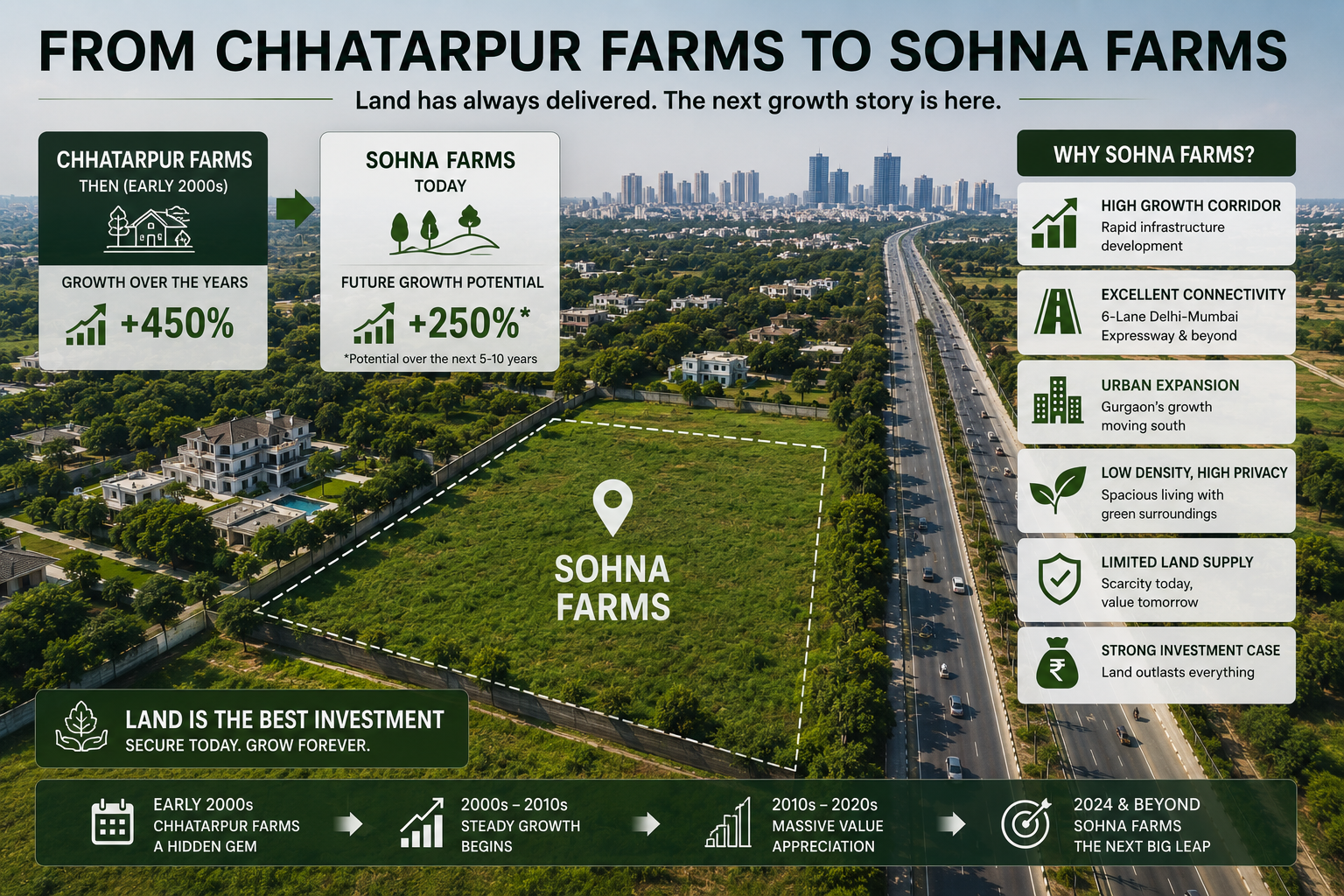
How Chhatarpur Farmhouses Created Multi-Crore Wealth for Early Buyers
What a quiet corner of South Delhi can teach investors about land, scarcity, and long-term wealth creation.
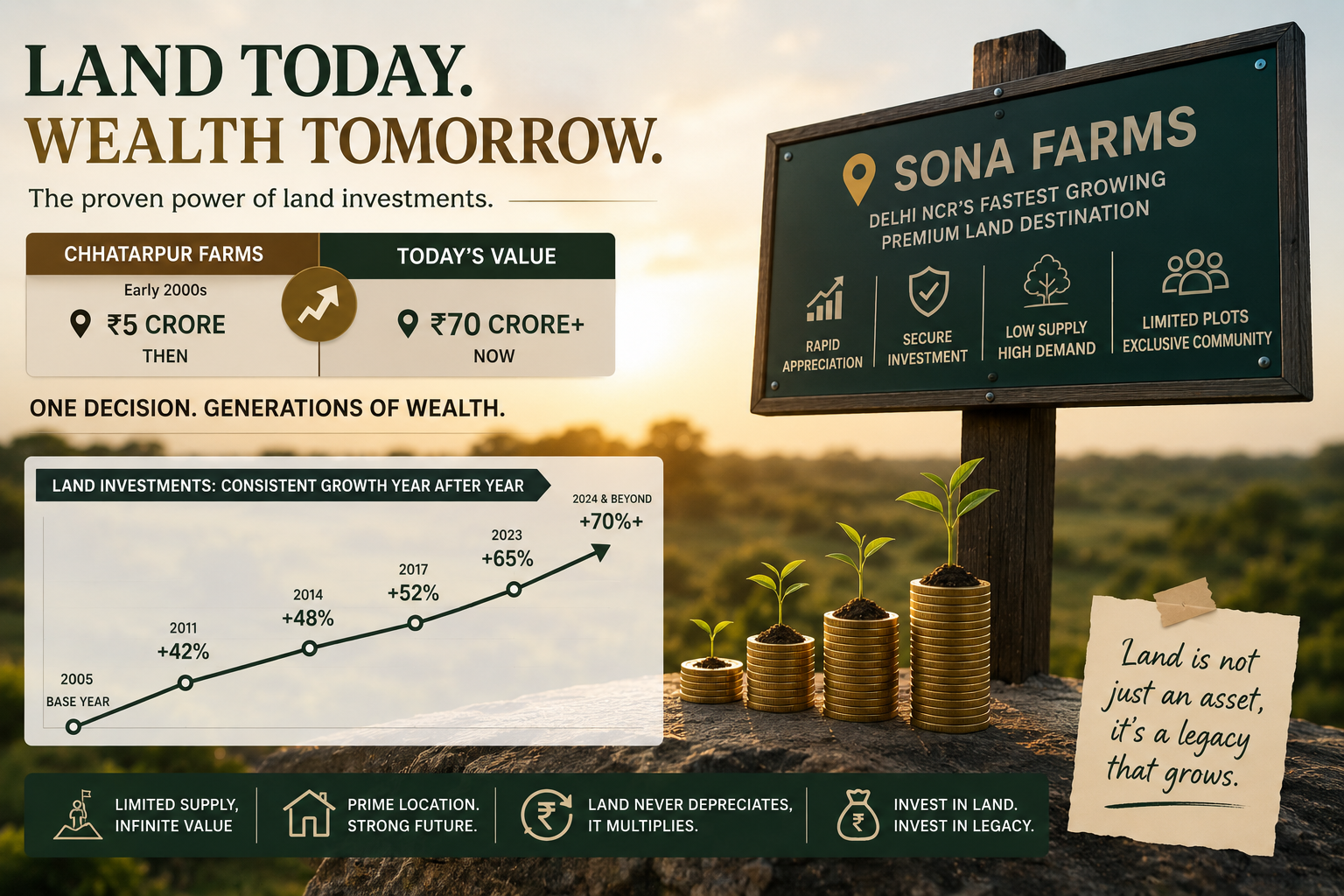
The ₹5 Crore Land Purchase That Became Worth ₹70 Crore
What the Story of DLF Chhatarpur Farms Reveals About Wealth Creation Through Premium Land Ownership
One short email. Stories you can use.
A free, occasional email from our editorial team with our latest features, explainers and reads. Unsubscribe any time — your email stays with us.