Europe's Retail Recalibration: Navigating Divergent Consumer Spending and Cross-Border Commerce
Across the European Union, consumer spending habits are undergoing a significant re-evaluation, driven by persistent inflation and shifting priorities, forcing retailers to adapt their strategies for resilience and growth amidst varied regional economic landscapes.

The expansive warehouses of Zalando, a bellwether for European online fashion, have recently seen a notable recalibration of inventory, a direct response to subdued discretionary spending. This adjustment signals a broader trend across the continent, where households are increasingly prioritising essential goods over non-discretionary purchases, fundamentally reshaping the retail sector's immediate future.
Persistent inflationary pressures, particularly concerning energy and food, have compressed household budgets from Madrid to Warsaw. While headline inflation figures have receded from their peaks, the cumulative effect on purchasing power remains a significant factor, leading to a more discerning consumer base. This caution is reflected in the slower growth rates observed for many non-food retailers, even as grocery chains like Carrefour, REWE, and Lidl report steady, albeit price-driven, revenue increases.
The Endurance of Value and Second-Hand Models
In this climate, value-oriented propositions are gaining considerable traction. Discount supermarkets continue to attract a growing share of the weekly shop, benefiting from consumers actively seeking lower-cost alternatives. Simultaneously, the second-hand economy, exemplified by platforms such as Vinted, has witnessed sustained growth. This trend transcends mere frugality; it is increasingly intertwined with evolving consumer values around sustainability and conscious consumption, particularly among younger demographics in markets like France and Germany.
The e-commerce landscape also presents a complex picture. While the pandemic-induced surge in online shopping has largely normalised, specific segments continue to thrive. Cross-border e-commerce, facilitated by platforms like Poland's Allegro and the Netherlands' Bol, demonstrates resilience, as consumers seek competitive pricing and wider selection beyond their national borders. This dynamic is particularly evident in regions with smaller national markets, where access to a broader European assortment is a significant draw.
Consumer expectations have permanently shifted. Value now encompasses not just price, but also convenience, ethical sourcing, and a frictionless purchase journey, whether online or in store.
Yet, the ambitious expansion of rapid grocery delivery, once epitomised by players like the now-defunct Gorillas and the scaled-back Flink, has faced significant headwinds. The high operational costs associated with ultra-fast fulfilment, coupled with a market less willing to pay a premium for immediacy in a tighter economic environment, have necessitated a strategic reassessment. Investment has migrated towards more sustainable models, often integrated with established supermarket networks rather than standalone dark stores.
Divergent Regional Trajectories
Across Europe, spending patterns are far from uniform. Southern European economies, including Spain and Italy, are displaying more pronounced shifts towards essential goods, partly due to higher unemployment rates and comparatively lower disposable incomes. In contrast, Nordic countries, despite facing similar inflationary pressures, have shown greater resilience in discretionary spending, often underpinned by stronger social safety nets and different consumer saving behaviours.
Poland, a dynamic market, exhibits a blend of these trends. While value remains paramount, an increasing openness to cross-border online shopping is reshaping its retail future. Meanwhile, France and Germany, as Europe's largest economies, present a mixed bag: a strong preference for local and sustainable products coexists with a growing appetite for global e-commerce offerings, creating a delicate balance for retailers to navigate.
For retailers operating across these varied geographies, a 'one-size-fits-all' strategy is proving increasingly ineffective. Understanding the nuances of local economic conditions, cultural preferences, and digital adoption rates is crucial for crafting propositions that resonate. The coming years will distinguish those able to adapt swiftly to a recalibrated consumer from those who fail to recognise the depth of these structural shifts.
News Legacy maintains editorial independence. Some recommendations may contain affiliate links. We earn from qualifying purchases at no additional cost to you. Read our policy.
Read Next

Is Sohna Really the Next Chhatarpur?
Three decades after Chhatarpur redrew South Delhi's map for space, privacy and exclusivity, a familiar pattern is now taking shape further south, and Sohna is where the smart money is beginning to look.
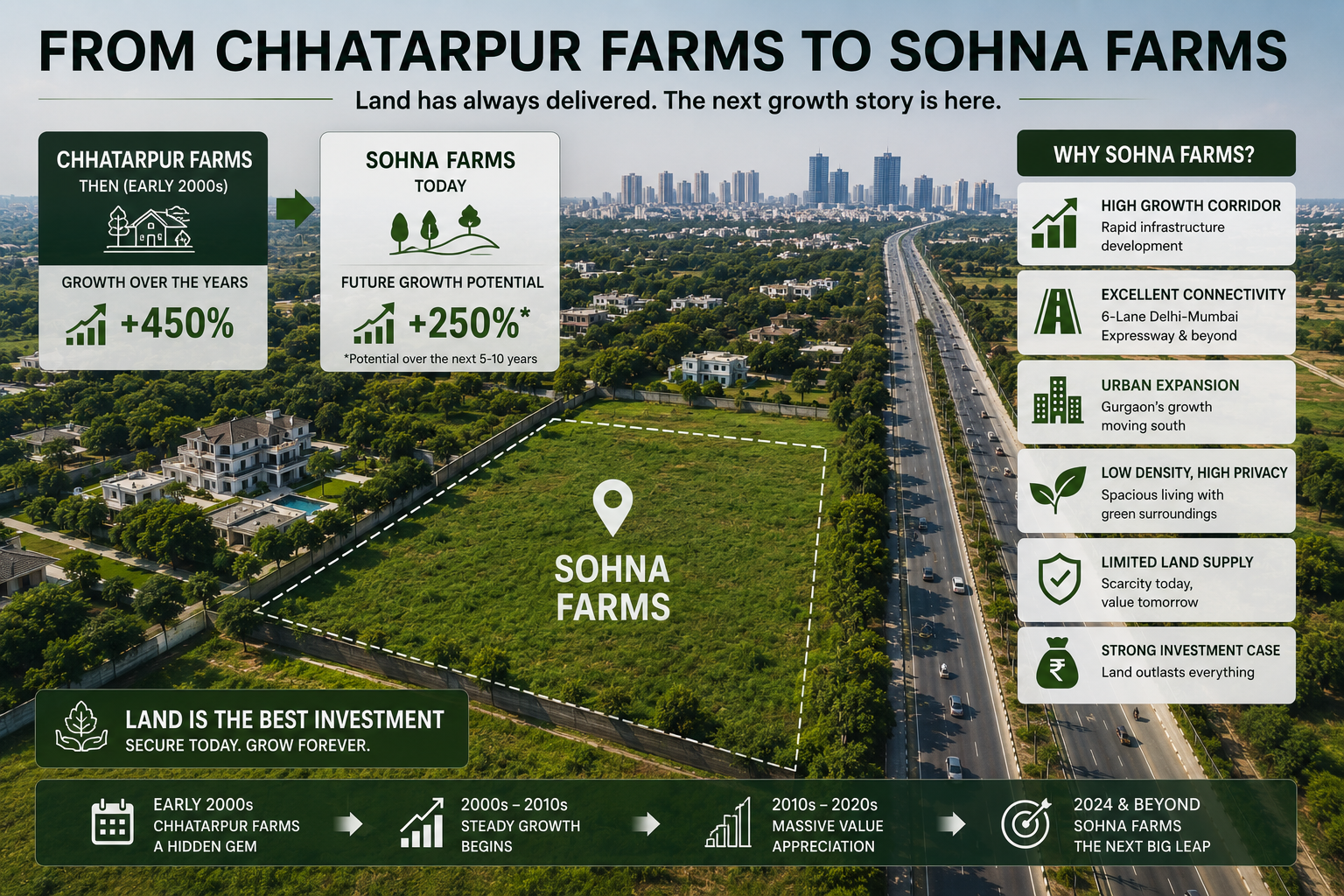
How Chhatarpur Farmhouses Created Multi-Crore Wealth for Early Buyers
What a quiet corner of South Delhi can teach investors about land, scarcity, and long-term wealth creation.
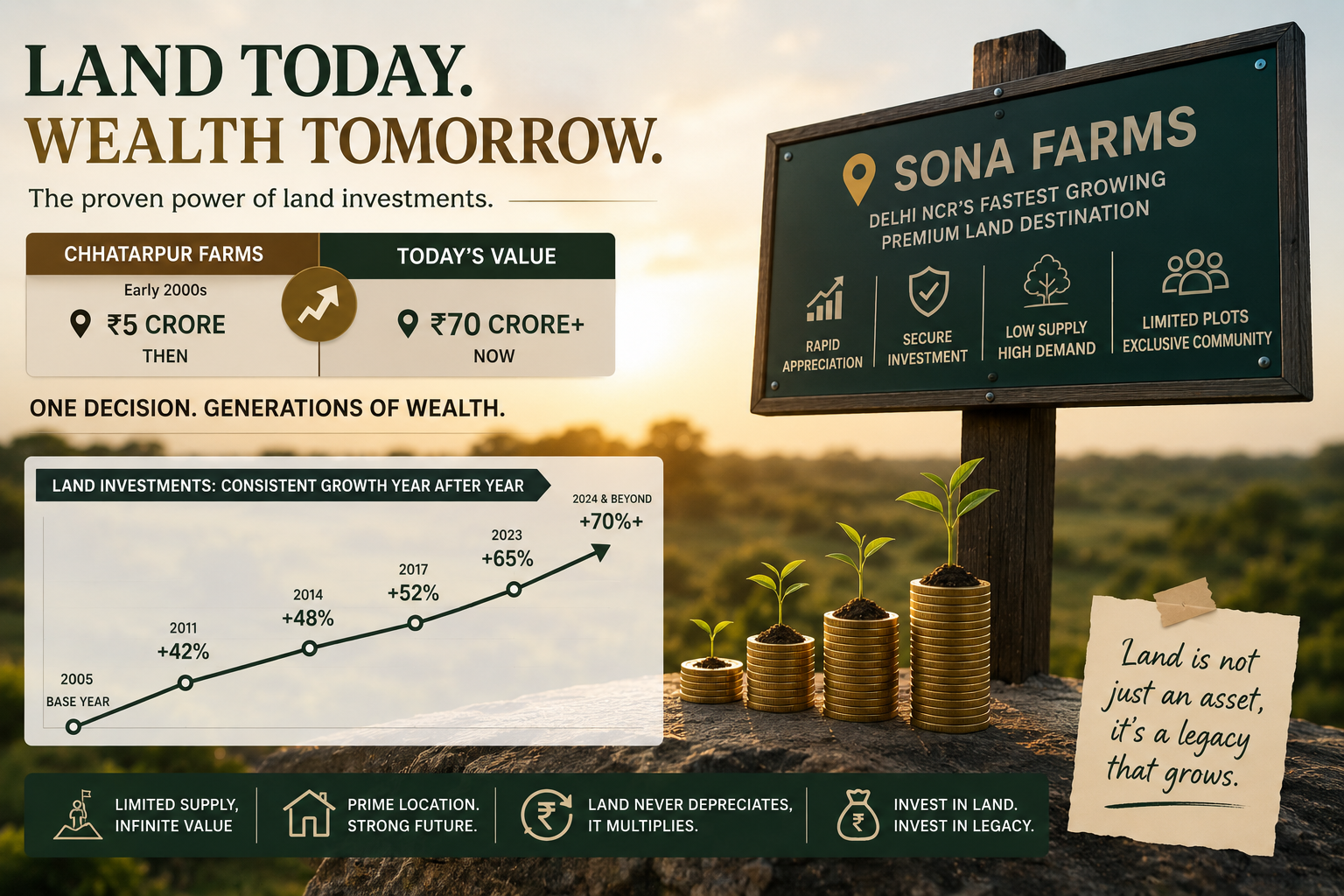
The ₹5 Crore Land Purchase That Became Worth ₹70 Crore
What the Story of DLF Chhatarpur Farms Reveals About Wealth Creation Through Premium Land Ownership
One short email. Stories you can use.
A free, occasional email from our editorial team with our latest features, explainers and reads. Unsubscribe any time — your email stays with us.