Europe's Retail Titans Confront Fragmentation in the Digital Arena
Across the European Union, established retail giants and agile digital natives are navigating a complex landscape defined by diverse consumer habits, varied regulatory frameworks, and intense competition for online market share. The ambition for seamless cross-border commerce often collides with national idiosyncrasies and infrastructural realities.

At a Carrefour hypermarket in the suburbs of Lyon, digital kiosks offer click-and-collect options for groceries, while its online platform competes with pure-play grocers and rapid delivery services. This dual-channel strategy, emblematic of many European retailers, highlights a persistent challenge: integrating physical and digital operations across a continent that, despite its economic union, remains deeply fragmented in consumer behaviour and technological adoption. The success of these initiatives will dictate the trajectory of retail investment and market consolidation over the coming decade.
The European e-commerce market, projected to exceed €1 trillion by 2025, presents a tantalising prize, yet its uneven development complicates strategic planning. Germany and the UK (though post-Brexit, still a significant market for many EU players) have historically led in online penetration, with Southern Europe catching up rapidly. Fashion pure-plays like Zalando, based in Berlin, have adeptly leveraged a pan-European fulfilment network, offering free returns and localised payment options to capture significant market share across multiple countries, including France, Italy, and Poland. Their success demonstrates the potential for scale when operational complexities are meticulously managed.
The Endurance of National Champions
Despite the ascendancy of international players, strong national or regional champions continue to thrive. In the Netherlands and Belgium, Bol.com maintains a dominant position, deeply integrated into local consumer habits and logistics. Poland's Allegro similarly commands a vast domestic market, having evolved from an auction site to a comprehensive marketplace with a robust delivery infrastructure. These entities often benefit from brand loyalty, established supply chains, and a nuanced understanding of local preferences that larger, more generalised platforms sometimes struggle to replicate.
The challenge for these national champions lies in expanding beyond their home territories without diluting their core value proposition. While some, like Vinted, the Lithuanian second-hand fashion platform, have successfully scaled across several European countries, the investment required for cross-border logistics, multilingual customer service, and localised marketing campaigns can be substantial. This often leads to strategic alliances or targeted acquisitions rather than organic, rapid expansion.
The notion of a singular 'European consumer' remains largely theoretical for many retailers; true success stems from mastering a patchwork of distinct preferences.
The Logistics and Last-Mile Hurdle
Efficient fulfilment remains a critical differentiator. The legacy of rapid grocery delivery services like Gorillas and Flink, which expanded aggressively across cities such as Berlin, Paris, and Amsterdam, underscored both the demand for speed and the financial fragility of hyper-optimised last-mile models. While many of these players have recalibrated their strategies, or in some cases ceased operations, their presence forced established grocers like Lidl and REWE to accelerate their own online and delivery capabilities. Carrefour, for instance, has invested heavily in dark stores and partnerships to shorten delivery times in metropolitan areas across France and Spain.
The cost of delivering across diverse urban and rural topographies, coupled with varying labour regulations and infrastructure, contributes significantly to operational overheads. Retailers navigating Europe must contend with customs procedures even within the single market for certain categories, differing packaging requirements, and a mosaic of consumer expectations regarding delivery windows and return policies. These factors collectively push companies to invest in highly flexible and localised supply chain solutions.
The coming years will likely see further consolidation and strategic manoeuvres. The ability to integrate advanced analytics, AI-driven inventory management, and automated warehousing will separate the market leaders from those struggling to adapt. As European consumers grow more accustomed to seamless online experiences, retailers that can bridge the chasm between diverse national markets and consistent service standards will secure enduring advantage.
News Legacy maintains editorial independence. Some recommendations may contain affiliate links. We earn from qualifying purchases at no additional cost to you. Read our policy.
Read Next

Is Sohna Really the Next Chhatarpur?
Three decades after Chhatarpur redrew South Delhi's map for space, privacy and exclusivity, a familiar pattern is now taking shape further south, and Sohna is where the smart money is beginning to look.
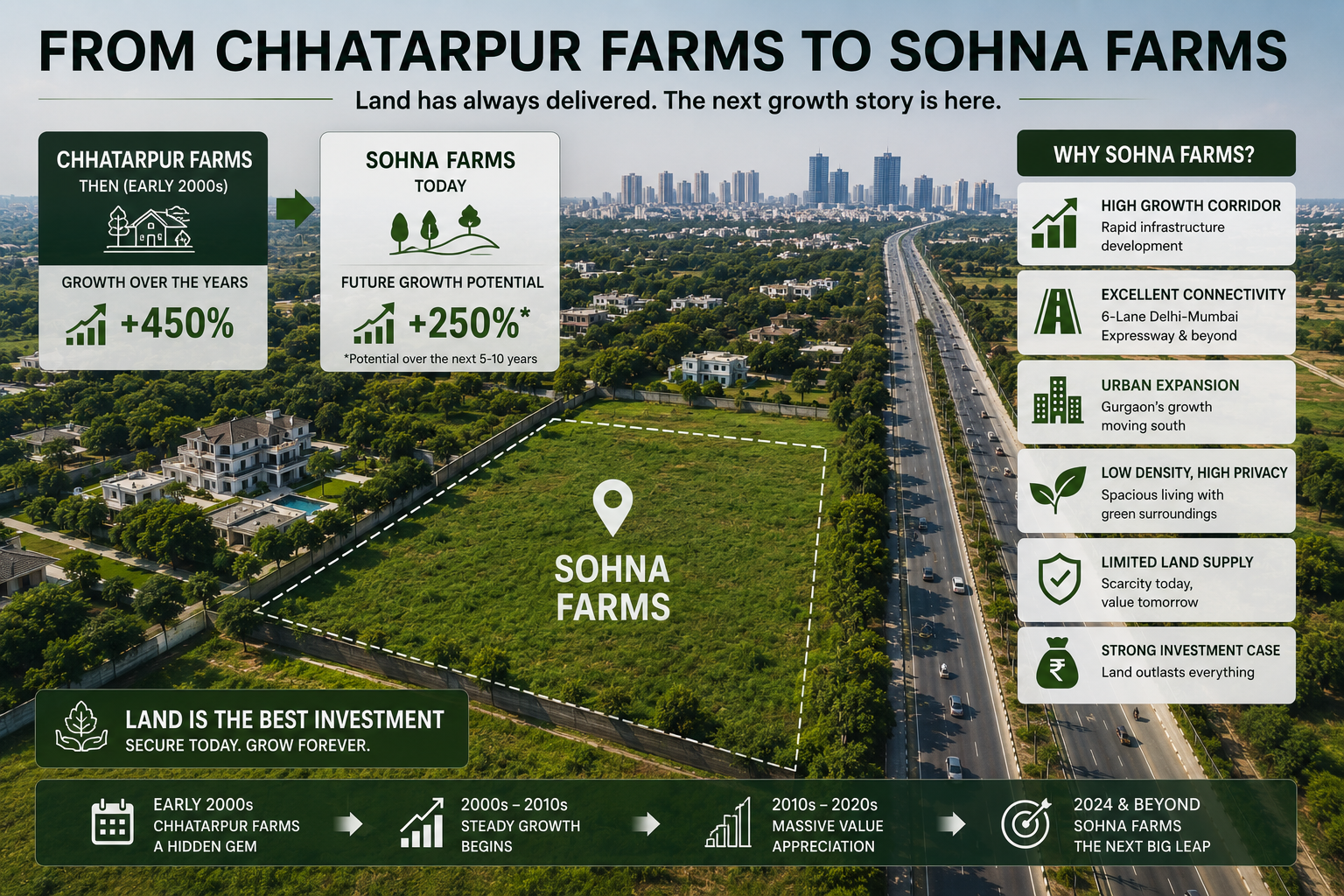
How Chhatarpur Farmhouses Created Multi-Crore Wealth for Early Buyers
What a quiet corner of South Delhi can teach investors about land, scarcity, and long-term wealth creation.
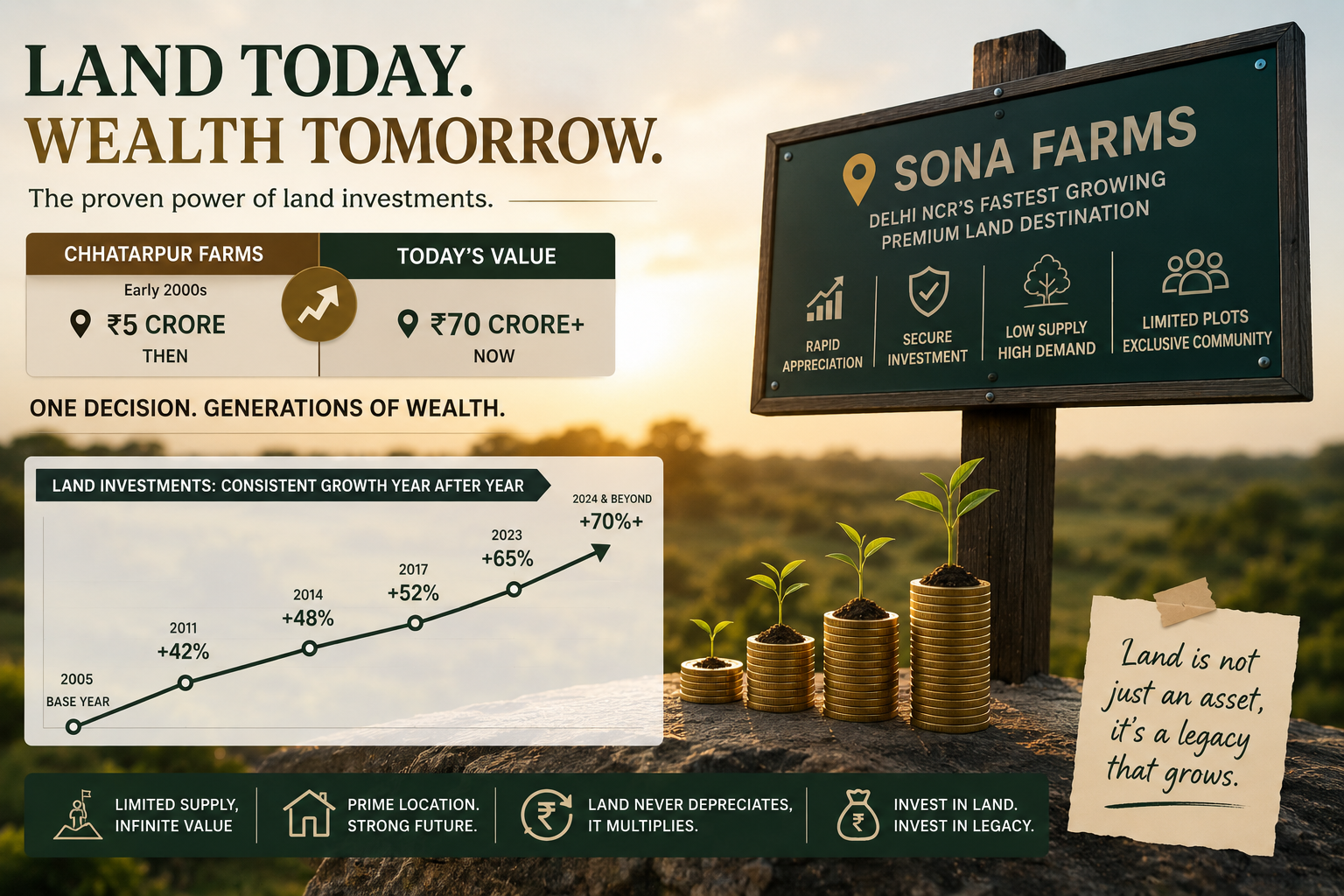
The ₹5 Crore Land Purchase That Became Worth ₹70 Crore
What the Story of DLF Chhatarpur Farms Reveals About Wealth Creation Through Premium Land Ownership
One short email. Stories you can use.
A free, occasional email from our editorial team with our latest features, explainers and reads. Unsubscribe any time — your email stays with us.